
Foods for Constipation: Everyday Choices That Help
Which fruits, grains, pulses and vegetables ease constipation, how to add fibre without gas, and how to use isabgol safely.

Key Takeaways
- Prunes, pears, kiwi, oats, dal and cooked vegetables add fibre and water to stools.
- NIDDK suggests adults aim for about 22 to 34 g of fibre a day, depending on age and sex.
- Add fibre one change at a time and drink enough fluid, or symptoms can worsen.
- Take isabgol with plenty of water and keep it apart from other medicines.
- Blood in stool, weight loss or severe pain needs a doctor, not more fibre.
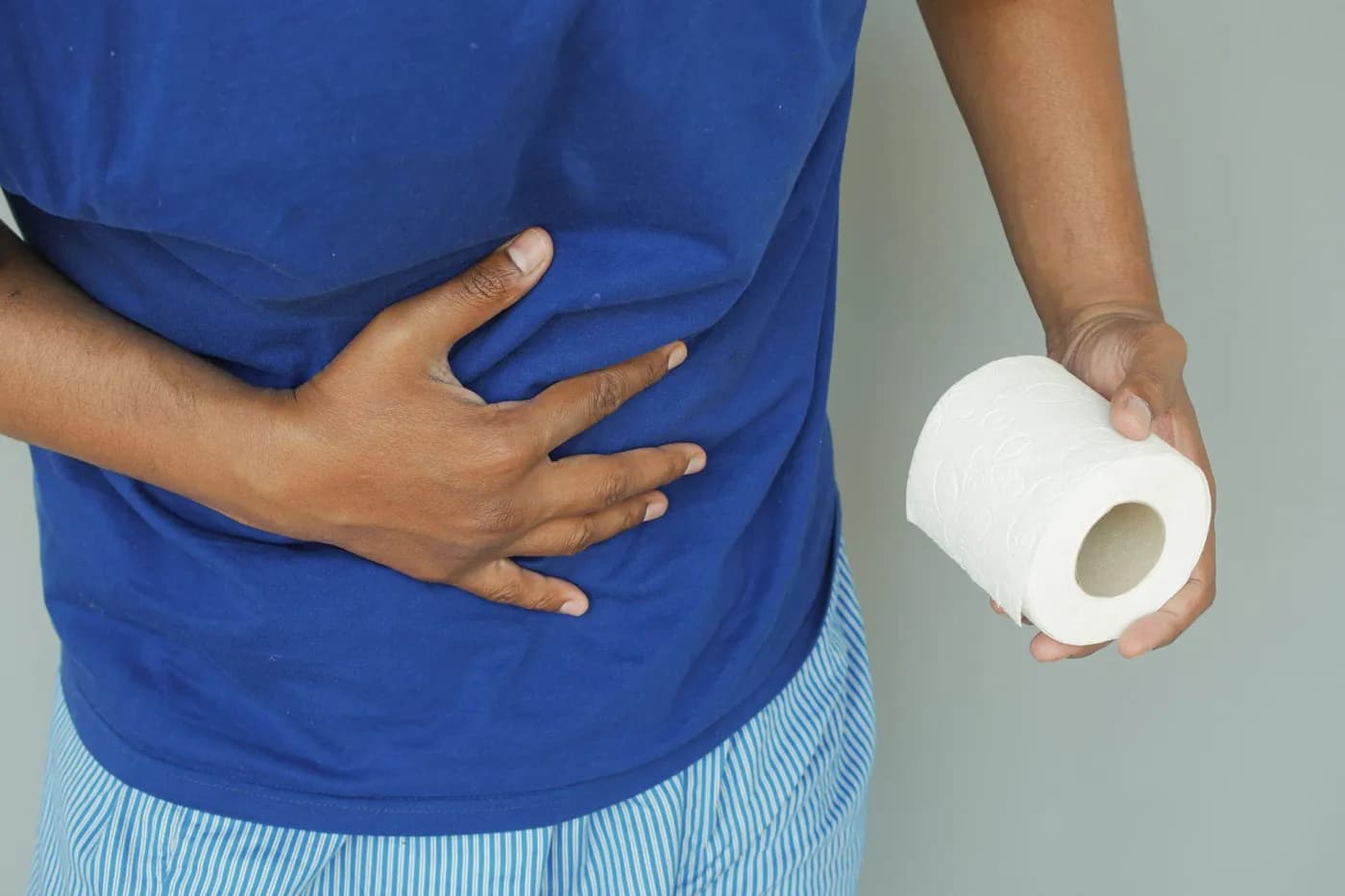
Constipation can mean hard stools, straining, fewer bowel movements than usual or a feeling of incomplete emptying. Food helps many cases, but low fibre is not the only cause. Medicines, thyroid problems, pelvic-floor issues, low activity and too little fluid can also play a part. This guide focuses on what to eat; for a broader routine including movement and yoga, see how to relieve constipation.
Which foods can help?
Fruit
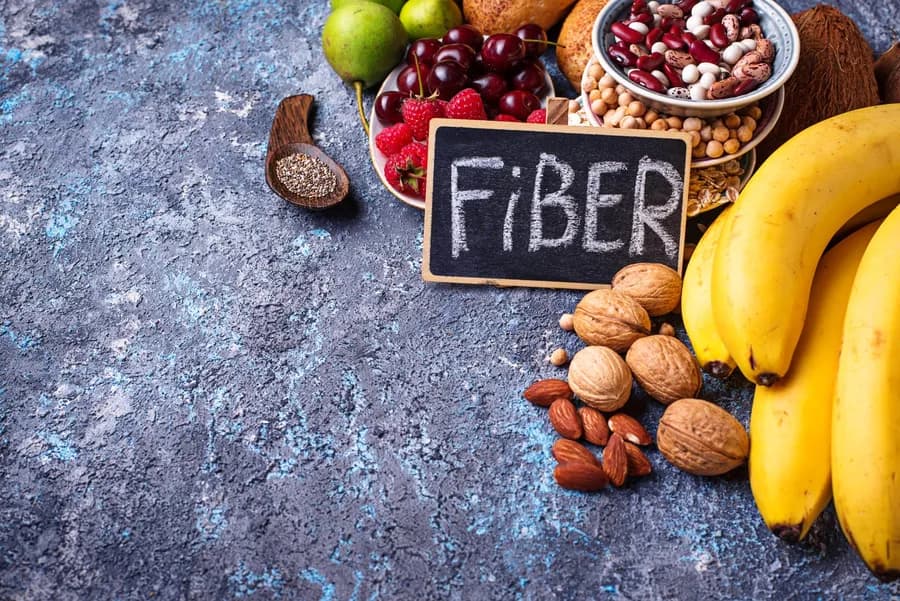
Prunes, pears, kiwi, oranges, guava and papaya provide fibre and water. Whole fruit is more filling than juice. Prune juice helps some adults, but large amounts can cause gas or loose stools.
Whole grains
Oats, barley, whole-wheat atta, millets and brown rice add fibre. Choose forms you tolerate rather than forcing coarse bran.
Pulses
Dal, rajma, chana and other beans provide fibre along with protein. Start with smaller portions if they cause gas.
Vegetables and seeds
Leafy greens, carrots, peas, beans and other vegetables add bulk. Cooked sabzi can be easier to digest than a large raw salad. Seeds such as flax or chia can help when soaked or taken with enough fluid.
How much fibre do you need?
The NIDDK suggests adults get about 22 to 34 g of fibre a day, depending on age and sex. You do not need to count every gram. A day with vegetable oats and curd at breakfast, dal with roti and cooked sabzi at lunch, fruit as a snack, and a vegetable-rich dinner moves most people towards that range. Our list of fibre-rich foods has more ideas.
Add fibre gradually
Make one change at a time and give your gut a week to adjust. Eating a lot of bran, beans and seeds together can cause gas and cramping. Fibre also needs fluid: drink regularly through the day according to thirst and any medical advice. Fibre without enough fluid can make stools harder.
There is no reason to ban rice or dairy for everyone. If constipation keeps returning, a simple one-week food and stool diary is more useful than cutting out many foods at once.
How to use isabgol carefully
Isabgol (psyllium husk) absorbs water and makes stools softer and easier to pass. Follow the pack directions, stir it into a full glass of water and drink it straight away. Never swallow the dry powder. Do not start it on your own if you have swallowing difficulty, severe abdominal pain or signs of a blockage.
Psyllium can affect how some medicines are absorbed, so ask a pharmacist how far apart to take them. If you are on a fluid restriction, check whether it fits your plan. More powder is not more effective and may cause bloating.
Habits that support your diet
- Walk or move most days if you can; activity supports bowel movement.
- Sit on the toilet after breakfast or another meal, when the bowel's natural reflex is strongest.
- Respond to the urge rather than delaying it.
- Rest your feet on a small, stable stool and avoid prolonged straining or breath-holding.
- On travel days, pack fruit or oats and keep drinking water.
If stools are soft but still hard to pass, tell your doctor. The pelvic-floor muscles may be involved, and more fibre will not fix that.
When should you get help?
Seek prompt care for severe abdominal pain, vomiting, a swollen hard tummy or being unable to pass gas. See a doctor for blood in the stool, black stools, unexplained weight loss, anaemia, or a new change in bowel habit that lasts, especially later in life or with a family history of bowel disease.
Iron, calcium, some pain medicines and other prescriptions can cause constipation; ask before stopping any of them. Laxatives can help when used appropriately, but long-term use should be reviewed. Children, pregnant women and frail older adults need advice suited to them. Probiotics may help some people, but benefits depend on the product.
Editorial sources
Frequently Asked Questions
Related Articles

How to Relieve Constipation: 7 Natural Methods That Actually Work
Diet, hydration, movement, and specific yoga poses address the root causes of both occasional and chronic constipation. See 7 natural methods that

Chia Seeds for Constipation: How to Use Them Correctly
Chia seeds work for constipation mainly through soluble fibre, which absorbs water and adds soft bulk to stool. See how to use them correctly, with.
Fibre rich foods: what fibre does for your gut
Fibre does more than aid digestion — it feeds gut bacteria and helps keep blood sugar steady. See what fibre-rich foods actually do for your gut.
Soluble and insoluble fibre: simple digestion guide
Soluble and insoluble fibre do different jobs for digestion — one feeds gut bacteria, the other adds bulk to stool. See the simple difference.
