
Foods to Build Muscle Mass: A Simple, Practical List
Building muscle mass comes down to protein-rich foods, enough overall calories, and a few smart carbs and fats around your workouts. See the everyday.

Key Takeaways
- Needs protein-rich food, enough total calories, and smart carbs around workouts.
- Aim for 1.2-1.6g protein per kg body weight, spread across 3-4 meals.
- Muscle won’t build in a calorie deficit, even with plenty of protein.
- Have a protein-and-carb meal before training, then protein again within a couple hours after.
- Whole foods bring fibre and micronutrients that protein powders alone don’t.
If you’re looking for the best foods to build muscle mass, the honest answer is simpler than most diet plans make it sound: a mix of protein-rich foods, enough overall calories, and a few smart carbs and fats around your workouts. This guide breaks it down without the overwhelm.
The Best Foods to Build Muscle Mass at a Glance
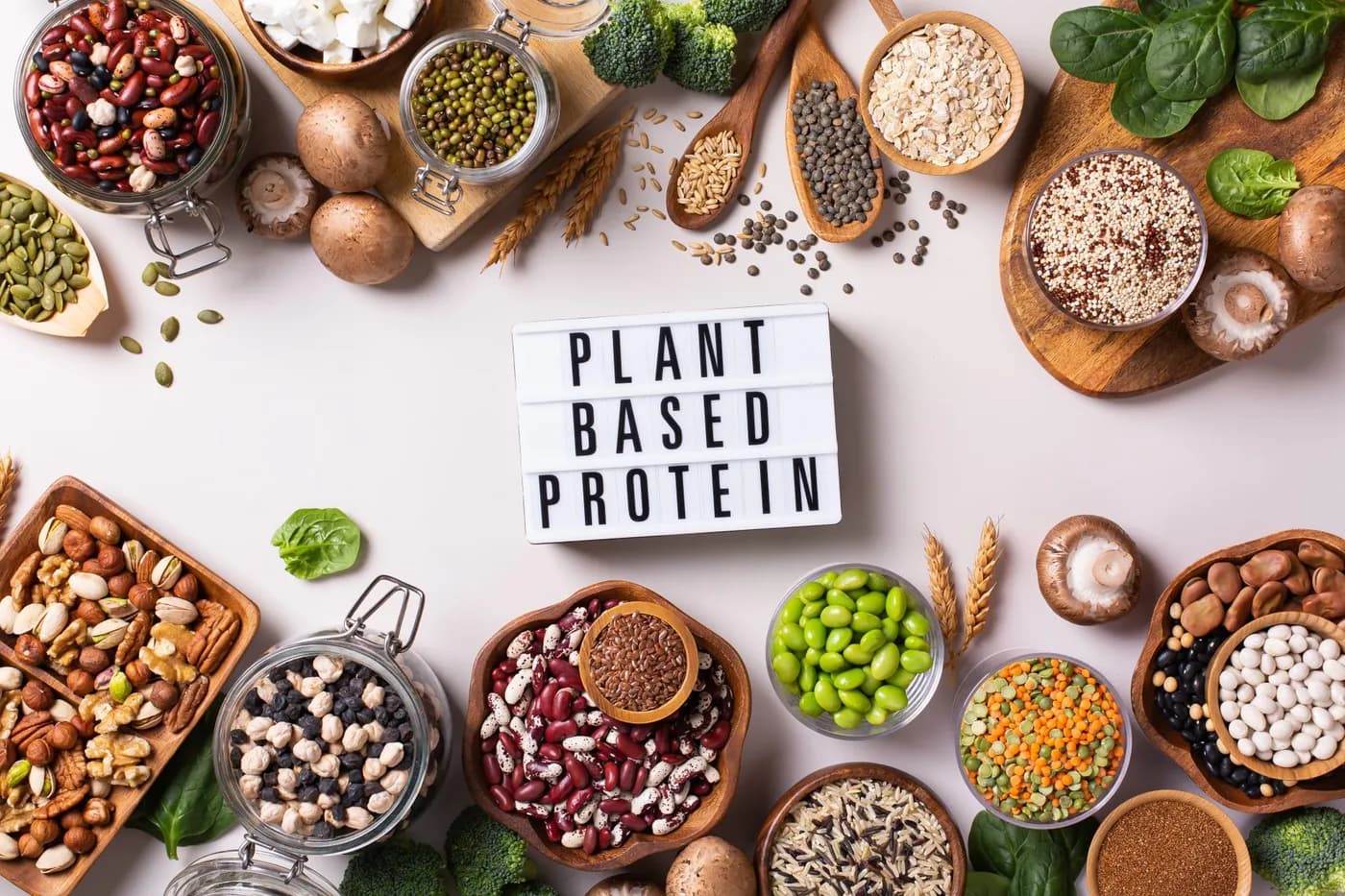
You don’t need exotic supplements to get started. These everyday foods cover most of what your muscles need to repair and grow:
- Eggs — complete protein, easy to cook in bulk
- Dal, rajma, chana, and other legumes — protein plus fibre
- Paneer and dahi (curd) — protein with calcium for bone support
- Sprouted moong and lentils — high-quality, easily absorbed protein
- Milk and soy milk — convenient liquid protein, good post-workout
- Nuts and seeds (almonds, peanuts, chia, flax) — protein plus healthy fats
- Whole grains (brown rice, oats, whole wheat roti) — steady energy for training
- Bananas and sweet potatoes — quick, natural carbs to fuel workouts
- Soy chunks and tofu — vegetarian protein staples
Building a meal plan around these foods to build muscle mass doesn’t need to be complicated — just consistent.
How Much Protein You Actually Need
Most people trying to build muscle need roughly 1.2–1.6 grams of protein per kilogram of body weight per day, spread across 3–4 meals rather than one large serving. Eating protein-rich foods at every meal — say, dal and paneer at lunch, eggs or curd at breakfast — makes this target far easier to hit than trying to cram it all into dinner. This is exactly why foods to build muscle mass work best spread through the day rather than saved for one big meal.
Calories matter just as much as protein. Muscle building foods only work if you’re eating slightly more than your body burns; even the best protein source won’t build muscle in a calorie deficit. This doesn’t mean overeating — a modest, steady surplus paired with regular training is enough.
Timing Basics: When to Eat These Foods
Timing is a smaller lever than total intake, but it still helps:
- Have a protein and carb-containing meal 1–2 hours before training (like oats with milk, or a banana and peanut butter).
- Eat a protein-rich meal within a couple of hours after training — this is when your muscles are most ready to use the amino acids from what you eat.
- Don’t skip meals earlier in the day hoping to “save up” — consistent intake works better than bunching it all post-workout.
Getting the timing right simply makes the foods to build muscle mass you’re already eating work a little harder for you.
Photo: Ella Olsson, CC BY 2.0, via Wikimedia Commons
Common Mistakes to Avoid
A few habits quietly undo the benefit of even the best foods to build muscle mass:
- Chasing protein and ignoring calories — you can eat enough protein and still not build muscle if your total intake is too low.
- Relying only on supplements — whole foods bring fibre, micronutrients, and satiety that powders don’t.
- Expecting fast results — muscle grows gradually with consistent eating and training, not overnight transformations.
- All-or-nothing thinking — one imperfect day of eating won’t undo your progress; showing up consistently matters far more than any single meal.
If your focus is specifically on gaining size without adding much fat, our diet for lean bulk guide builds on this same food list with a more structured calorie surplus, and our broader high-protein vegetarian foods list is worth bookmarking too. And since these foods to build muscle mass only work if training stress is followed by proper repair, it’s worth reading our diet for muscle recovery and vegetarian muscle building diet guides alongside this one.
Who Should Be Cautious With High-Protein Eating
Most healthy adults can eat protein-rich foods to build muscle mass without any concern. But a few groups should check with a doctor before significantly increasing protein intake:
- People with existing kidney disease — impaired kidneys may struggle to process very high protein loads, so any big shift in intake should be doctor-supervised.
- Anyone with a history of gout — very large portions of certain protein-rich foods can raise uric acid levels for people prone to gout flares.
- People on specific blood pressure or diabetes medications — some of these interact with big shifts in protein or calorie intake, so it’s worth a quick check before overhauling your plate.
- Growing teenagers and older adults — both groups have different protein needs than the general 1.2–1.6 g/kg range, so a doctor or dietitian is a safer starting point than a generic number online.
For everyone else, the foods to build muscle mass listed above are safe as a daily habit — caution mainly applies to unusually high, supplement-heavy intakes, not to eating dal, paneer, and curd as part of normal meals.
A Sample Day of Eating
Seeing these foods to build muscle mass laid out across a full day makes the plan easier to copy:
- Breakfast: A bowl of moong dal chilla or 2 eggs, a glass of milk, and a banana
- Mid-morning snack: A handful of almonds and peanuts (25–30g)
- Lunch: 1 cup dal or rajma, 1 cup rice or 2 rotis, a small bowl of curd, and a vegetable
- Pre-workout: Oats with milk or a banana with peanut butter, about an hour before training
- Post-workout: A glass of milk or a protein shake, plus a piece of fruit
- Dinner: Paneer or soy chunk curry, 2 rotis, and a vegetable side
This adds up to roughly 90–110 grams of protein for a 65–70kg person aiming to build muscle — right in the target range — without needing to count every gram obsessively. Repeating a version of this pattern daily, using whichever foods to build muscle mass you enjoy most, is what actually produces results over months.
Frequently Asked Questions
Related Articles

Strength Training Workout for Runners: Build Power, Prevent Injury, Run Better
A structured resistance programme targeting the glutes, core, and hip stabilisers builds what running alone can't — done twice a week, it reduces injury risk and improves running economy. See the full workout.


Strength Training Leg Workout: Best Exercises, Benefits & How to Start
Training legs two to three times a week builds functional power, supports fat metabolism, and improves everyday movement, using the largest muscle groups in the body. See the best exercises.

Strength Training Chest Workout: Build Real Strength at Home
A structured chest workout progressively loads the pectoral muscles, shoulders, and triceps to build pushing strength and better posture — achievable at home with little or no equipment. See the full workout.