
Fortified Cereals: What Added Nutrients Bring to Breakfast
Added vitamins and minerals can make cereal useful, but they are only part of choosing a satisfying everyday breakfast.
Key Takeaways
- Fortified cereals have added vitamins or minerals.
- Fortification does not mean high fibre or low sugar.
- Add a protein source to make breakfast complete.
- Anaemia needs its cause identified, not just cereal.
A breakfast cereal can be a convenient way to eat when mornings are rushed. If it is fortified, selected vitamins or minerals have been added during production. That can improve its contribution, especially when it supplies a nutrient that is otherwise difficult to obtain. But fortification does not automatically make a cereal high in fibre, low in sugar or substantial enough to serve as a complete breakfast.
What does fortified mean?
Fortification means adding nutrients to a food. Breakfast cereals may contain added iron, folic acid, vitamin B12 or other vitamins and minerals, depending on the product.
That is different from saying a cereal is wholegrain. Wholegrain describes the grain components retained, while fortification describes selected additions. A product can be both, either or neither.
The distinction helps you choose for the actual purpose. If you want more fibre, a long list of added vitamins does not answer that question. If you need a reliable vitamin B12 source, wholegrain alone does not establish one. Different features deserve different expectations.
The amount in your bowl matters
Nutrient figures may be given for a stated serving or per 100 g. A large bowl can hold more than one serving, while a small sprinkle provides less than the amount used for the claim.
You do not need to weigh breakfast indefinitely. Measuring your usual pour once can show whether the reference serving resembles what you actually eat.
Also notice whether a nutrient figure includes milk. A claim for the prepared bowl may partly reflect the milk rather than the dry cereal. That is useful nutrition, but it will not be the same if you eat the cereal dry or use a different drink.
Iron can be useful, but anaemia needs a cause
Fortified cereal can contribute iron, particularly for someone whose usual diet contains little. The amount and absorption vary with the product and the rest of the meal.
Vitamin C-rich fruit can support absorption of non-haem iron from plant foods and fortified foods. Guava, orange or another suitable fruit can fit without requiring a special juice.
A bowl of cereal is not a universal treatment for anaemia. Low haemoglobin can have several causes, and a diagnosed iron deficiency may need a prescribed replacement plan. Keep fortified food as a contributor rather than assuming it replaces the treatment amount.
Vitamin B12 matters particularly in some diets
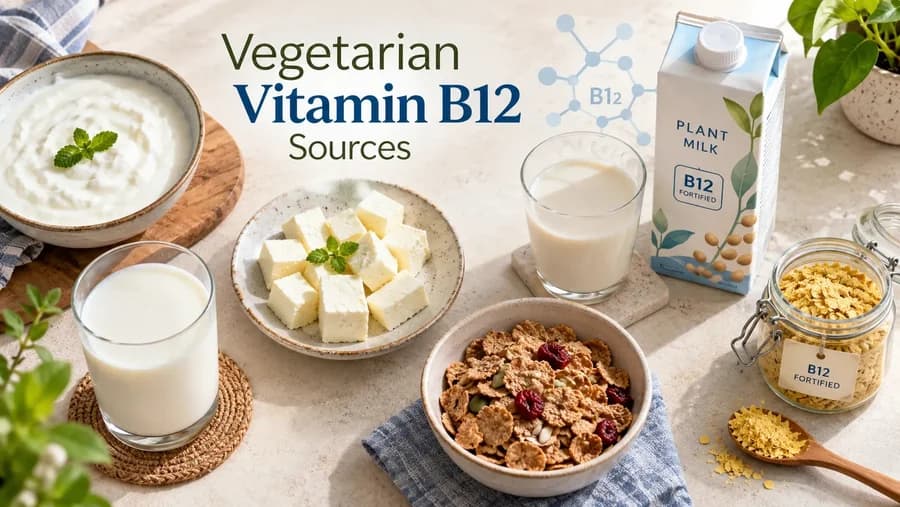
People who avoid all animal foods need a reliable vitamin B12 source from suitable fortified foods or supplements. A cereal can help if it actually contains B12 in an adequate amount and is eaten consistently.
A small occasional bowl should not automatically be assumed to cover the requirement. The combination of foods or supplement used needs to provide dependable intake.
This does not mean everyone must buy fortified cereal. Someone may prefer a straightforward B12 supplement or other suitable fortified foods within an appropriate plan. Choose a method that is reliable and practical, rather than buying a breakfast you dislike for one ingredient.
Added nutrients do not remove added sugar
A sweet cereal can contain several added vitamins and still supply considerable sugar. Chocolate flavouring, honey coating or sweet clusters change the food regardless of the nutrient claims.
For a product eaten most mornings, compare similar cereals for sugar and fibre, using the same quantity. Start with the options you would realistically enjoy rather than reading every packet in the shop.
A less sweet cereal with fruit and plain milk or curd can be a useful combination. There is no need to make every breakfast completely unsweetened, but a vitamin claim should not distract from several sweet additions in the same bowl.
Build the protein part separately
Many cereals provide only a modest amount of protein in the portion eaten. Milk, plain curd or a suitable high-protein alternative can make the meal more substantial.
For example, use a cereal you enjoy with curd and fruit rather than a large dry bowl followed by hunger soon afterwards. If a plant drink is used, its protein varies; an almond drink is not automatically equivalent to milk or a soya drink.
A few nuts or seeds can add texture and useful fat, but a tiny sprinkle is not necessarily the main protein source. Judge the full meal and appetite rather than assuming fortification makes it complete.
Can children eat fortified cereals?
Age-appropriate cereals can be part of children's meals, but the product and serving should suit the child. Adult breakfast cereals are not interchangeable with infant foods.
Choose manageable textures and avoid whole nuts or large hard pieces for young children. A very sweet cereal does not need to become the default just because it contains added iron.
Keep the family routine calm. Offer variety across the week rather than describing one bowl as a perfect breakfast. Children still need other foods for growth, and a fortified product should not crowd out opportunities to learn different flavours and textures.
More fortification is not always necessary
If you already use multivitamins, iron tablets or other supplements, fortified foods can add to the same nutrients. This is especially relevant when several high-dose products are combined.
You do not need to avoid ordinary fortified food out of fear. The practical point is to avoid collecting multiple products for the same vague goal without a reason.
A specific deficiency or pregnancy plan may require a particular dose that breakfast cannot reliably provide. Continue that plan rather than replacing a prescribed supplement with a cereal claim. Food fortification and treatment can serve different jobs.
Keep convenience in perspective
Cereal can save time, but it is one breakfast option. Besan chilla, a filled roti, oats or other familiar meals can also work, with different nutrient sources.
Choose the breakfast you can prepare and eat consistently. Store cereal dry and closed so it stays fresh, and use a portion that fits the rest of the bowl.
Fortified cereal earns its place when it makes nourishment easier. The added nutrients are useful information, but the overall meal still needs enough substance, suitable ingredients and a taste you want to return to.
Editorial sources
Frequently Asked Questions
Related Articles
What Fortified Means on Food Labels
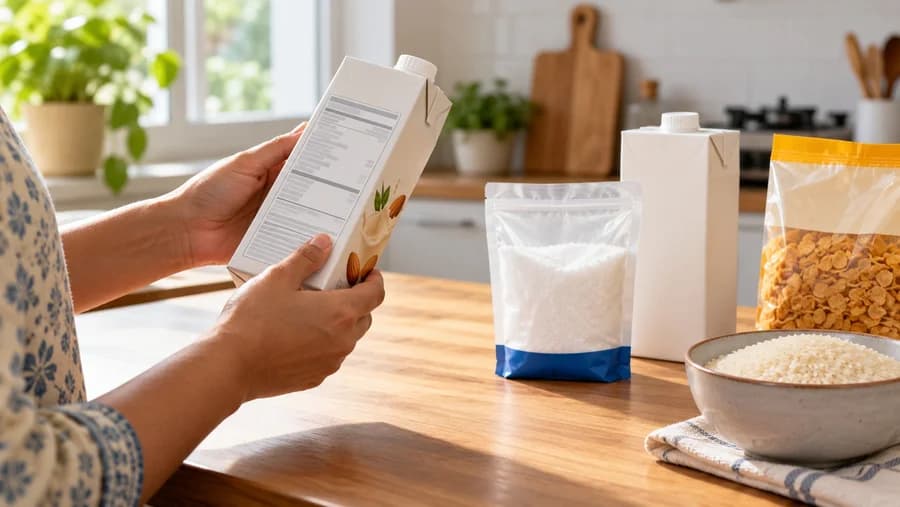
When a food is fortified, vitamins or minerals have been added to it. That can help, but it does not tell you whether the whole product is a good choice.

Healthy Breakfast Options: What Actually Makes a Breakfast Good for You
A good breakfast has enough protein to keep you full, enough fibre to steady blood sugar, and not much added sugar — most packaged cereals and bakery.
Oats Nutrition: Types, Fibre, Portions and Breakfast Ideas
Oats provide carbohydrate, soluble fibre called beta-glucan, protein and minerals. Steel-cut, rolled and instant oats differ in cooking time.