
Fructose: Food Sources, Metabolism and Safety
Fructose in whole fruit is not the same as fructose in sweet drinks. How the body handles it, when intake becomes risky and what malabsorption means.
Key Takeaways
- Whole fruit and sweetened drinks both contain fructose but are very different exposures.
- Table sugar is half fructose; honey, jaggery and agave are still free sugars.
- Frequent excess added sugar can raise triglycerides and liver fat and harm teeth.
- WHO advises keeping free sugars below 10% of daily energy, ideally below 5%.
- Fructose malabsorption causes gut symptoms; hereditary fructose intolerance is rare and serious.
Fructose is a simple sugar found naturally in fruit and honey, and it also makes up half of table sugar and a large share of syrups used in sweetened drinks. The topic gets confusing when whole fruit and large amounts of added sugar are treated as the same exposure. They are not. Whole fruit brings water, fibre, chewing and a limited portion; sweet drinks can deliver much more sugar quickly without much fullness. The source, the dose and your overall energy intake tell you far more than labelling fructose itself as healthy or toxic.
Reducing added sugar does not require calculating the fructose in every ingredient. A few repeat purchases usually account for most of it: sweetened tea or coffee, soft drinks, packaged juice, flavoured yoghurt, mithai and desserts, and snack bars. Identifying those patterns is easier and more sustainable than memorising chemical names.
Where does fructose appear?
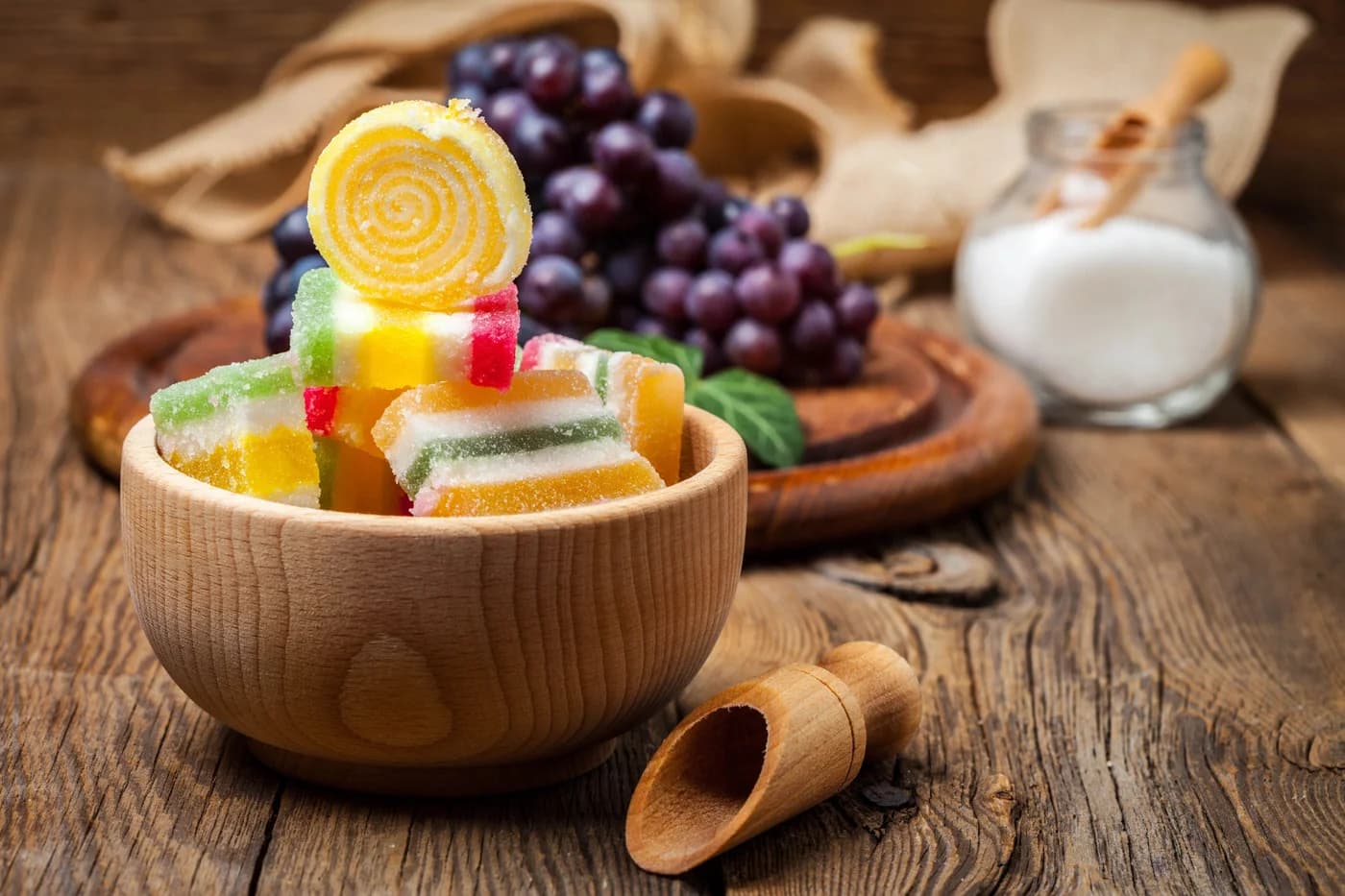
Fructose occurs on its own in fruit and honey and as one half of sucrose, the molecule we call table sugar. High-fructose corn syrup contains fructose and glucose in proportions broadly similar to sucrose, although formulations vary. Labels may also list agave syrup, fruit-juice concentrate, invert sugar or other sweeteners. Different names can make a product look less sugary, but they still add free sugars.
Fruit is a different food package. An orange has cell structure, fibre and water, and it takes time to peel and chew. A glass of juice can contain the sugar from several oranges and is drunk in seconds. Dried fruit is concentrated too, so portions should be smaller. The sensible distinction is not natural versus chemical; it is a whole, portioned food versus a concentrated source that is easy to overconsume.
Children do not need fruit juice when whole fruit and clean water are available. Juice sipped over long periods raises both sugar exposure and the risk of tooth decay, so keep it occasional and with a meal.
How does your body use it?
After absorption in the small intestine, much of the fructose is handled by the liver, where it can be turned into glucose, glycogen, lactate or fat depending on the amount and the body's energy needs. This is normal metabolism. Problems become more likely when large quantities arrive repeatedly alongside excess energy, low activity and other metabolic risks.
Fructose does not raise blood glucose as quickly as pure glucose, but that does not make concentrated fructose a diabetes-friendly sweetener. Added sugars still provide energy, can raise triglycerides and displace more nourishing foods. People with diabetes should look at total carbohydrate and serving size, not a front-of-pack "low GI" claim. Honey, jaggery and agave are still sugars.
When does intake get risky?
High intakes of sugar-sweetened beverages are consistently linked with weight gain and poorer metabolic health. In controlled feeding studies, very high fructose intakes can increase liver fat and blood triglycerides, particularly when they add extra calories. This does not mean a serving of whole fruit causes fatty liver. The WHO recommends keeping free sugars below 10% of daily energy, and ideally below 5%; for most adults 5% is about 25 g, or six teaspoons, a day. Free sugars include added sugars and the sugars in honey, syrups and fruit juice, but not those in whole fruit.
Dental health is another reason to limit frequent free sugar. Sipping a sweet drink over several hours repeatedly feeds oral bacteria and keeps teeth in an acidic environment. Water, unsweetened milk or fortified plant drinks and whole fruit generally offer more nutritional value.
Why can fructose upset you?
Some people do not absorb a large fructose load efficiently. Unabsorbed fructose reaches the colon, where bacteria ferment it and may cause gas, bloating, pain or diarrhoea. The effect depends on the dose and on the mix of sugars in the food. Apples, pears, honey and some sweeteners can be troublesome, while smaller portions are often fine. A structured trial guided by a dietitian, such as a low-FODMAP approach for IBS, can identify triggers without making the diet unnecessarily restrictive.
This is different from hereditary fructose intolerance, a rare genetic disorder in which fructose, sucrose and sorbitol can cause vomiting, low blood sugar and liver or kidney damage. It is usually noticed when a baby starts foods or formula containing these sugars. Infants or children with vomiting, lethargy or poor growth after sweet foods need urgent medical assessment.
What is a sensible approach?
Start with drinks. Replacing soft drinks, sweetened tea, energy drinks and routine juice with water can cut free sugar substantially without policing fruit. Read the nutrition panel and ingredient list together, since a product may use several sweeteners. Choose whole fruit most often, keep dried fruit to a small handful and let sweets remain occasional.
There is no need to remove every gram of fructose from a healthy diet. If your triglycerides, liver tests or blood glucose are raised, review the whole eating pattern with your doctor or dietitian; changes to drinks, portions and activity matter more than swapping one syrup for another. Our guides on reducing triglycerides and fatty liver cover those next steps.
The bottom line
The source and amount of fructose matter. Keep whole fruit in your diet, cut down on sweet drinks and concentrated sugars, and seek help for persistent digestive symptoms or abnormal metabolic test results.
Editorial sources
Frequently Asked Questions
Related Articles

Jaggery vs Sugar: Which Sweetener Is Actually Healthier?
Jaggery is often seen as the natural, guilt-free option, but nutritionally that’s only partly true — both are concentrated carbohydrates that affect.


How to Reduce Sugar Cravings: Why They Happen and What Helps
Sugar cravings are rarely just about willpower — they’re usually your body responding to blood sugar swings, poor sleep, or stress. See what actually.

How to Reduce Fatty Liver: 7 Natural Ways to Heal an Inflamed Liver
The liver is one of the most regenerative organs in the body, and fatty liver responds dramatically to consistent lifestyle change. See 7 natural ways to heal an inflamed liver.


How to Reduce Triglycerides — the Honest Lifestyle, Diet, and Exercise Guide That Actually Works
Consistent dietary changes, regular exercise, and weight loss can reduce triglycerides by 30-50% within 8-12 weeks, often allowing doctors to reduce