Jaggery vs Sugar: Which Sweetener Is Actually Healthier?
Jaggery is often seen as the natural, guilt-free option, but nutritionally that’s only partly true — both are concentrated carbohydrates that affect.

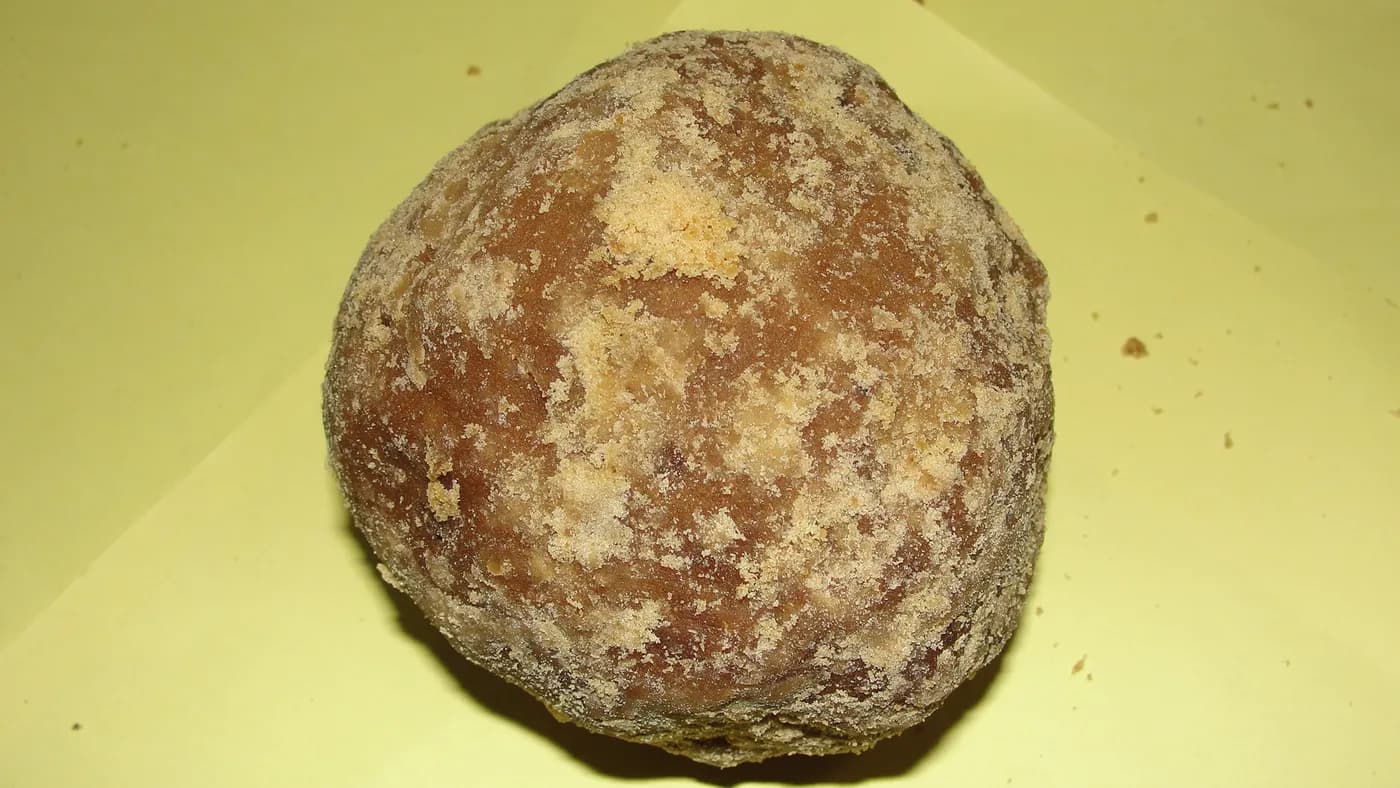
Key Takeaways
- Calorie and carb content of jaggery and sugar are nearly identical gram for gram.
- Jaggery’s minerals are too small in a typical serving to meaningfully affect nutrition.
- Jaggery’s glycemic index isn’t reliably lower – some studies show it’s comparable or higher.
- Both are added sugars and should be limited, especially with diabetes, PCOS, or weight goals.
- WHO recommends capping added sugars, including jaggery, near 25g (5-6 teaspoons) daily.
When the jaggery vs sugar question comes up, most Indian households already have a favourite — jaggery, believed to be the “natural” and guilt-free option. Nutritionally, that belief is only partly true. Jaggery does contain trace minerals that refined sugar lacks, but both are concentrated carbohydrates that affect your blood sugar and calorie count in strikingly similar ways.
Jaggery vs Sugar: Nutrition Comparison
| Factor | Jaggery (10g) | White Sugar (10g) |
| --- | --- | --- |
| Calories | ~38-40 kcal | ~39 kcal |
| Carbohydrates | ~9.7 g | ~10 g |
| Iron | Small trace amount (~0.05-0.1 mg) | None |
| Other minerals | Trace calcium, magnesium, potassium | Essentially none |
| Glycemic Index | Variable, roughly 65-85 depending on source | ~65 |
| Processing | Less refined, retains molasses | Fully refined, molasses removed |
The calorie and carbohydrate content of jaggery and sugar are almost identical gram for gram. The real difference lies in processing: jaggery is boiled and set without removing the molasses, so it keeps small amounts of iron, calcium, and potassium. Refined sugar strips this out entirely, leaving pure sucrose. In other words, when you line up jaggery vs sugar on paper, the numbers barely move — it’s the mineral trace, not the calorie count, that separates them.
The “Jaggery Is Healthy in Any Amount” Myth, Debunked
This is the biggest misconception in the jaggery vs sugar conversation. Yes, jaggery has minerals — but the quantities in a typical serving are too small to meaningfully impact your daily nutrient needs. You’d have to eat an unreasonably large amount of jaggery to get the iron of even a small serving of spinach or lentils. Meanwhile, its glycemic index isn’t reliably lower than sugar’s, and some studies suggest it can be comparable or even higher. So treating jaggery as a health food you can eat without limits isn’t supported by the evidence. Both are added sugars, and both should be consumed in moderation, especially if you’re managing diabetes, PCOS, or weight.
Jaggery vs Sugar: When Might One Be Preferred?
In the jaggery vs sugar debate, neither is a clear “winner” for every situation:
- Jaggery works well in traditional recipes, offers a warmer, more complex flavour, and provides a marginal mineral bonus over refined sugar — useful if you’re already replacing sugar and want a small nutritional edge.
- Refined sugar offers precise, consistent sweetness for baking and preserves better over long storage, without the earthy aftertaste some people don’t enjoy in jaggery.
- For blood sugar management, neither should be treated as “safe” in large quantities — portion control matters more than which one you pick.
Photo: appaji, CC BY 2.0, via Openverse (Flickr)
How Much Is Too Much?
The WHO recommends limiting added sugars — including jaggery — to under 10% of your daily calories, ideally closer to 5%, which works out to roughly 25g (about 5-6 teaspoons) for most adults. If you’re swapping sugar for jaggery in your tea or desserts, keep portions similar rather than assuming jaggery gives you a free pass to add more. This cap applies regardless of which side of the jaggery vs sugar debate you land on — both count toward the same daily limit.
Sweeteners are just one piece of the carb picture on your plate — if you’re also weighing Rice vs Roti for Weight Loss or how Chia Seed Versus Flaxseed stack up nutritionally, those comparisons follow the same portion-first logic as this one.
Jaggery vs Sugar: Common Mistakes People Make
The biggest mistake in the jaggery vs sugar swap is assuming “natural” automatically means “unlimited.” Many people replace their sugar with an equal or even larger amount of jaggery, assuming they can be more generous with it since it’s “healthier” — this simply adds more added sugar to the diet, not less. Another common mistake is judging jaggery vs sugar purely on colour or texture; darker, unrefined-looking jaggery isn’t automatically lower in glycemic impact, and quality varies a lot by source and region. Some also assume jaggery is safe in unlimited quantities for diabetics because it’s “not white sugar” — this is one of the more dangerous misreadings of the jaggery vs sugar comparison, since jaggery still spikes blood glucose meaningfully.
Practical Ways to Make the Swap
If you’re genuinely trying to cut down on added sugar rather than just switching which one you use, a few practical steps help more than picking a side in the jaggery vs sugar debate: reduce the total quantity of sweetener in tea, coffee, and desserts gradually rather than swapping gram-for-gram; use whole fruit like dates or bananas to sweeten smoothies or desserts instead of either jaggery or sugar; and read labels carefully, since “jaggery powder” products sometimes have added refined sugar mixed in to make them pour more easily. None of this makes jaggery “bad” — it just means the jaggery vs sugar choice matters far less than your total added-sugar quantity across the day.
Frequently Asked Questions
Related Articles
How to Reduce Blood Sugar Level Immediately: 7 Fast, Natural Ways That Actually Work
Some interventions bring down an elevated reading within 10-30 minutes; others compound over the following hours. See 7 fast, natural ways that actually work.


How to Control Sugar: 7 Natural Ways to Manage Blood Glucose Daily
Stable blood sugar means stable energy — the afternoon slump and evening cravings often trace back to swings you can smooth out daily. See 7 natural ways to manage blood glucose.

Blood Sugar Kaise Kam Kare
Blood sugar kaise kam kare? जानिए exercise, yoga aur daily routine se blood sugar manage karne ke asardar tarike. 14-day free trial mein shuru karein.