
Fulvic Acid: Claims, Contamination and Safety
Fulvic acid is promoted for energy, detox and absorption. See what the evidence shows, the contamination risks and who should avoid it.

Key Takeaways
- Fulvic acid is not a vitamin, mineral or required dietary nutrient.
- Human evidence for energy, detox and absorption claims is weak.
- Heavy metals and microbial contamination are important product risks.
- Pregnancy, kidney or liver disease and regular medicines call for caution.
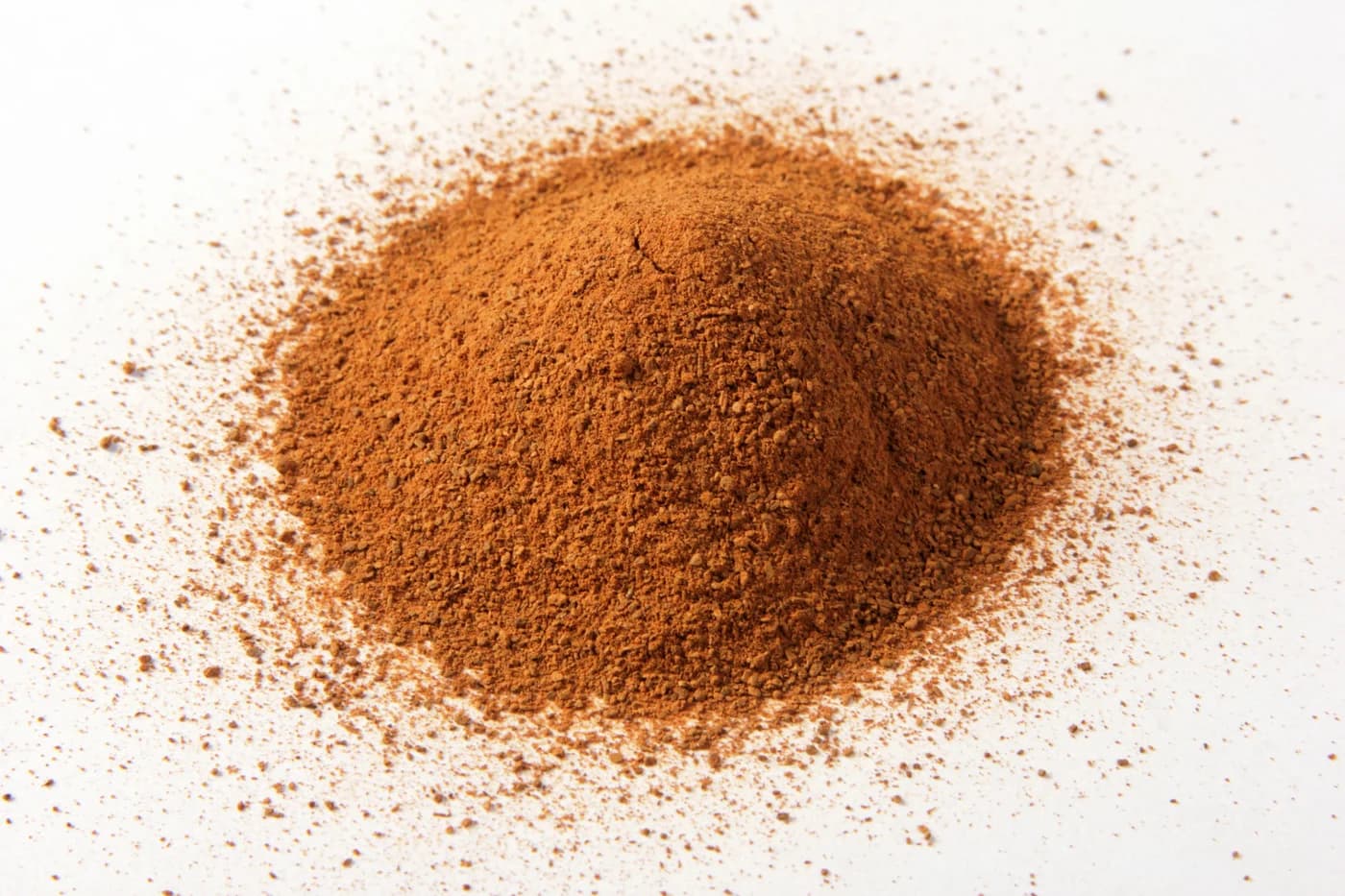
Fulvic acid is a complex mixture formed as plant material breaks down in soil. It appears in shilajit and in "mineral" supplements promoted for energy, immunity, detox and nutrient absorption. Human evidence is limited, product composition varies and contamination is a real concern. It is not an essential nutrient, and a dark liquid or natural origin does not prove purity.
This article looks at fulvic acid as a standalone supplement. For the traditional Ayurvedic preparation that contains it, see our guide to shilajit.
What is fulvic acid?
Where does it come from?
Fulvic substances develop in soil, peat and decomposed organic matter. Commercial products may be extracted from different sources or included as part of shilajit. That variability makes it difficult to assume that one study, laboratory test or traditional preparation applies to every bottle on the shelf.
Is it a nutrient?
No. Fulvic acid is not a vitamin, a mineral or a required dietary nutrient. The body does not need it to function, and there is no recognised deficiency.
Do the claims hold up?
Does it improve nutrient absorption?
Fulvic acid can bind minerals in chemical systems, and this is used to market it as an absorption enhancer. Human evidence does not show that most people need it to absorb nutrients from a balanced diet. Increased absorption could also be undesirable when contaminants or excessive minerals are present in the same product.
Can it boost energy?
Small studies of shilajit or related preparations cannot establish that fulvic acid alone treats fatigue. Tiredness may reflect poor sleep, anaemia, thyroid disease, low mood, medicines or under-eating. A supplement should never delay assessment when fatigue is persistent or getting worse.
Does it detox the body?
No credible evidence shows that oral fulvic acid cleanses the liver or removes toxins in a clinically useful way. Binding in a test tube is not the same as safe detoxification in a person. Suspected poisoning needs urgent medical care, not a mineral supplement.
Why is contamination a concern?
Source material from soil and peat can carry lead, arsenic, mercury, microbes or other substances. Purification and independent testing are therefore essential, yet quality varies widely between products. Avoid raw or unverified products, and do not assume an expensive brand has been tested unless it can show evidence.
Who should avoid it?
Pregnancy, breastfeeding, childhood, kidney or liver disease and iron-overload conditions are reasons to avoid unsupervised use. Possible effects on mineral balance, immunity and medicines are incompletely studied. If you are considering a product, share the exact label and its testing certificate with your doctor before starting.
What side effects can occur?
Digestive upset, headache, dizziness or allergic symptoms are possible, and contamination can cause additional harm. Stop the product if new symptoms appear.
Seek urgent medical help for breathing difficulty, swelling of the face or throat, fainting or severe vomiting. These are not signs of "detox" and should not be managed by taking a smaller dose.
How to judge a fulvic acid product
Read the label carefully
Look for:
- The source of the fulvic acid
- Standardisation and the exact dose per serving
- Contaminant testing for heavy metals and microbes
- A batch number and expiry date
Words such as "ionic", "ancient" and "bioavailable" are marketing terms, not proof of quality or benefit. If a company cannot provide credible third-party test results, the safest decision is to leave the product on the shelf.
Compare it with simpler options
Before buying, ask what problem you expect it to solve. A varied diet, regular sleep, hydration or an established treatment for a diagnosed condition usually offers a clearer benefit with fewer unknowns. If you do try a product with your doctor's agreement, change one thing at a time, set a review date and stop if nothing meaningful improves.
Editorial sources
Frequently Asked Questions
Related Articles
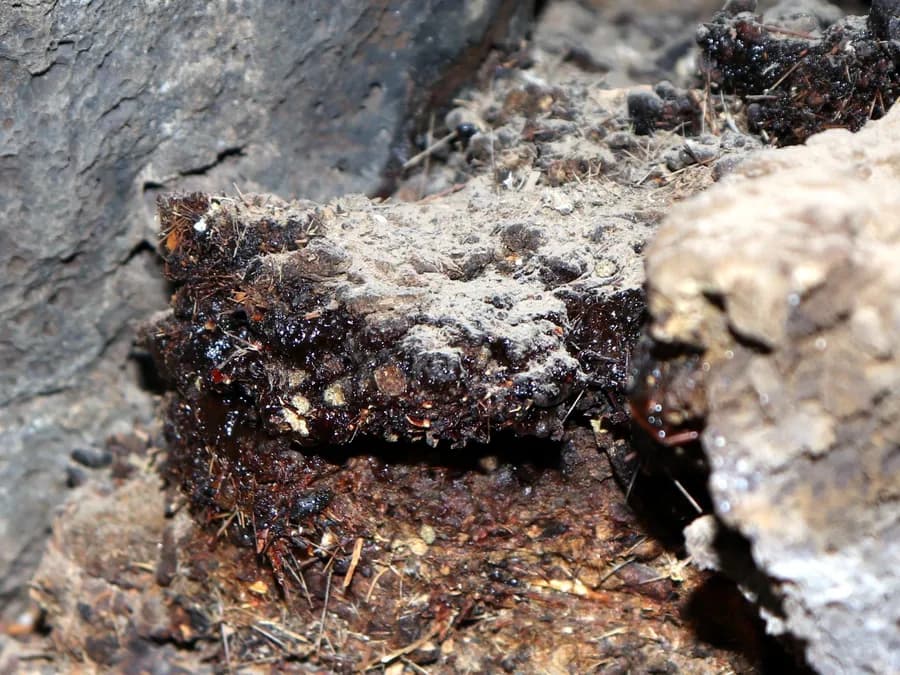
Shilajit: Benefits, Uses & Ayurvedic Properties
Shilajit is Ayurveda’s most potent mineral rasayana — a Himalayan exudate rich in fulvic acid and 84+ minerals that boosts energy, cognition.


Minerals in Food: Types, Functions and Everyday Indian Sources
Minerals are inorganic nutrients the body cannot make. Some are needed in larger amounts and others only in traces, yet both groups are essential.

Multivitamin Benefits: What They Can (and Can’t) Do for You
Multivitamins can help close small nutrient gaps left by an inconsistent diet — but they can’t replace the fibre, protein, and plant compounds in whole.