
Ghee: Nutrition, Portions and How It Fits a Balanced Diet
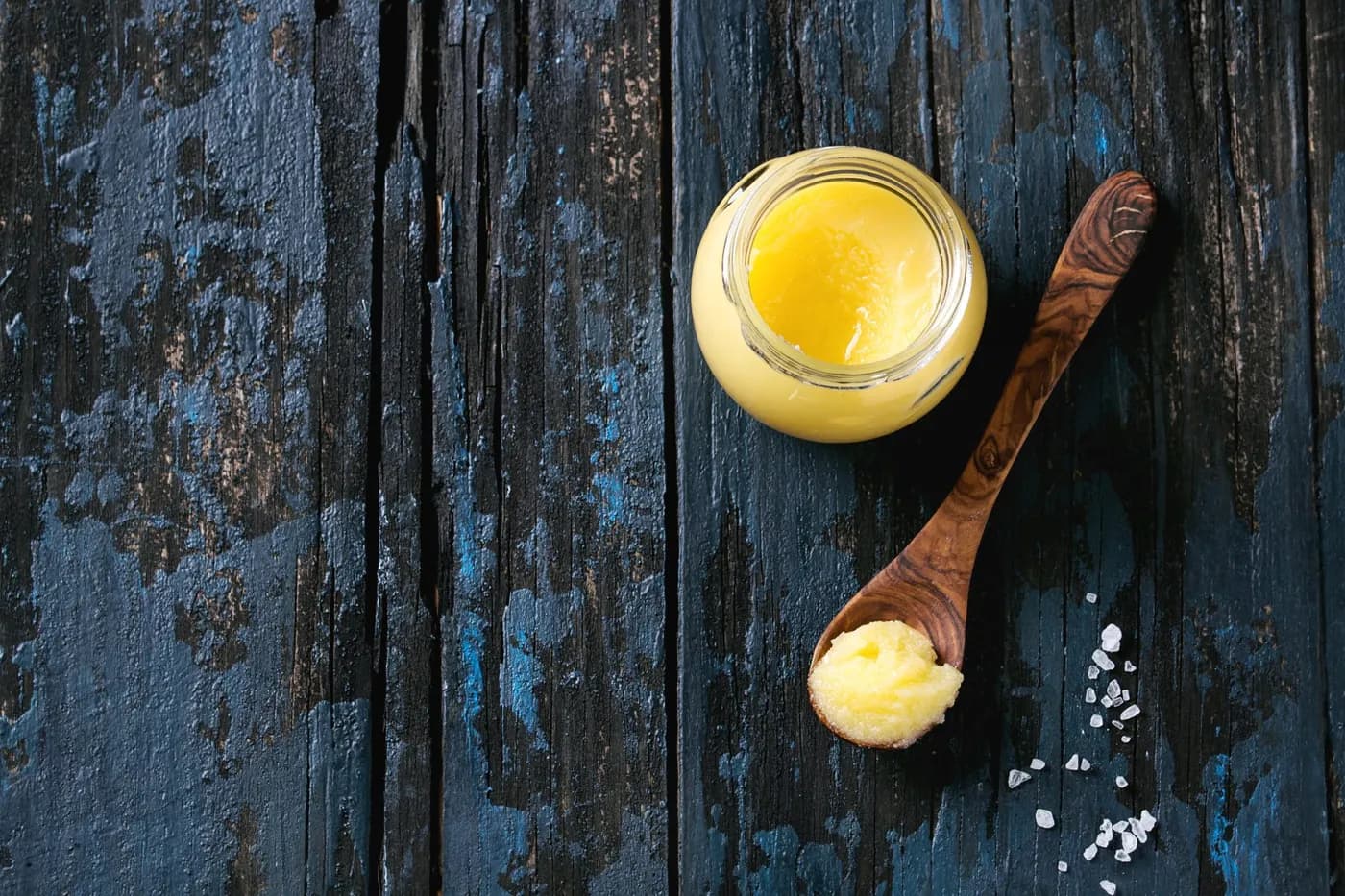
Ghee is clarified butter made by removing water and milk solids. It is concentrated fat and adds rich flavour in small amounts.
Key Takeaways
- Ghee is concentrated fat and contains a high proportion of saturated fat.
- A teaspoon can provide flavour without making a dish heavily oily.
- Unsaturated oils should remain important in a heart-friendly pattern.
- It does not detox the body, melt fat or cure digestive problems.
- Milk allergy and lactose intolerance are different and need different precautions.
Ghee is clarified butter made by removing most water and milk solids. It has a rich aroma and is concentrated fat, so a small amount contributes substantial energy.
Discussions about ghee benefits often call it either harmful or a medicinal superfood. A useful view considers portions, blood lipids and which fats it replaces.
How is ghee made?
Butter is heated until water evaporates and milk solids separate. The clear fat is strained and cooled. Commercial products should be prepared hygienically and labelled clearly; homemade versions need clean utensils and moisture-free storage.
Removing milk solids changes flavour and shelf life but does not create a low-fat food. The result is almost entirely fat, so measuring is better than pouring.
Ghee nutrition in perspective
Fat provides energy and helps the body absorb vitamins A, D, E and K. It also contributes to cell structures and hormone production. However, different fat sources contain different proportions of saturated and unsaturated fatty acids.
Ghee nutrition is dominated by fat, including substantial saturated fat. A teaspoon cannot replace vegetables, fruit, pulses, dairy or fortified foods.
Current heart-health recommendations generally encourage replacing some saturated fat with unsaturated fats rather than adding unlimited fat to an unchanged diet. Oils such as mustard, groundnut, sesame, rice bran, sunflower or olive have different fatty-acid profiles. Variety and total quantity matter.
For a broader food framework, see Habuild’s everyday diet and nutrition guide.
What does evidence say about ghee benefits?
Heart health
Claims that this fat protects the heart do not justify ignoring saturated-fat guidance. High saturated-fat intake can raise LDL cholesterol, although responses differ.
What it replaces matters. A little instead of more butter may control quantity, while replacing unsaturated oil with large spoonfuls can raise saturated-fat intake. People with high LDL or heart disease need personalised advice.
Digestion and butyrate
It contains some butyrate, a compound used in marketing. The gut also produces butyrate when bacteria ferment fibre from vegetables, fruit, pulses and whole grains.
Evidence does not show that clarified fat cures constipation or “heals the gut.” For persistent symptoms, increase fibre gradually and seek care for pain or bleeding. Habuild’s high-fibre foods guide lists vegetarian choices.
Weight loss and energy
No cooking fat melts belly fat. Generous amounts increase energy intake; a small measured portion may add enjoyment but does not guarantee weight loss.
It does not treat fatigue, which may reflect anaemia, thyroid disease, sleep, stress or inadequate food.
Traditional use
Traditional cooking knowledge can guide taste and cultural practice, but a long history of use does not prove every modern therapeutic claim. Food-level use and concentrated remedies should not be treated as equivalent.
How to use ghee sensibly
If you are learning how to use it without making meals rich, focus on aroma and measurement:
- Measure with a teaspoon instead of pouring freely.
- Add a small amount to dal or khichdi just before serving.
- Brush lightly on a roti rather than coating both sides heavily.
- Use a little in halwa or ladoo while keeping portions moderate.
- Temper spices in a measured amount when the flavour suits the dish.
- Rotate cooking fats instead of using one fat for every meal.
- Avoid combining a ghee-heavy dish with several other fried foods.
The full plate still needs vegetables and a vegetarian protein source such as dal, chana, rajma, tofu, paneer or curd. Habuild’s guide to protein-rich vegetarian foods can help balance familiar meals.
How much is a sensible portion?
There is no universal allowance because energy needs, lipids and other fats differ. A teaspoon is a measuring unit, not a prescription. Someone eating butter, cream and fried snacks may need a different plan.
Count visible and hidden fats. Restaurant dishes, namkeen, biscuits and sweets may contribute more than the spoon at home. Follow any prescribed saturated-fat limit.
Children need dietary fat, but more is not better. Offer varied foods rather than forcing spoonfuls into every dish.
Cooking and storage
The relatively low water content helps the product keep longer than butter, but contamination and moisture can still cause spoilage. Use a clean, dry spoon and close the lid firmly. Follow the manufacturer’s storage instructions, especially in hot or humid weather.
Discard it if there is visible mould, an unusual fermented smell or a clearly rancid taste. Do not repeatedly heat the same fat or allow it to smoke heavily. Any cooking fat can degrade with excessive heat and repeated reuse.
Milk allergy, lactose intolerance and other precautions
Clarification removes most milk solids, so the final product may contain very little lactose. Some people with lactose intolerance tolerate small amounts, but individual responses vary.
Milk allergy is different: even traces of milk protein may trigger a serious reaction. Someone with a diagnosed allergy should not assume homemade or unverified products are safe. Check the label and follow advice from an allergy professional.
Seek urgent help for breathing trouble, facial swelling, faintness or widespread hives. People with pancreatitis, gallbladder problems, very high triglycerides or another condition requiring fat modification should use personalised medical advice.
What ghee cannot do
Ghee cannot detox the liver, lubricate joints from the inside, cure constipation, balance hormones or protect against every illness. Putting it in coffee does not create a complete breakfast, and eating it on an empty stomach has no proven special advantage.
Its realistic value is culinary: a little can add aroma and enjoyment. Keep expectations proportional and place it inside a varied vegetarian diet.
A simple habit to try
For one week, use a teaspoon to observe how much you normally add. You may find that a smaller finishing amount gives enough flavour. Use the saved space in the meal for vegetables, dal or salad rather than treating measurement as deprivation.
Editorial sources
Frequently Asked Questions
Related Articles
Protein-rich vegetarian foods: 1/4th plate habit
Explore protein, carbohydrates, healthy fats and meal planning for strength training, muscle building and recovery.

Ghee vs Refined Oil: Choose Healthy Fats Wisely
Understand ghee vs refined oil in simple words. Learn how to use fats in moderation, avoid reheated oils and choose better Indian cooking habits.
Is Ghee Good for Health? Healthy Fats Habit
Is ghee good for health? Learn how to use ghee in moderation, why portion size matters and how one small spoon can fit into Indian meals.