
GMOs: What They Are and What Safety Checks Look At
GMO can start a heated debate in seconds. Here is a plain guide to what genetic modification means, why crops are modified and how safety is checked.
Key Takeaways
- A GMO is a plant or organism whose DNA has been changed using genetic engineering.
- Each GM crop is assessed individually for safety before approval.
- Eating GM food does not change your own genes.
- A varied diet matters more than whether a food is GM or non-GM.
GMO is one of those words that can start a heated debate in seconds. Some people hear it and worry. Others hear it and assume it’s all hype. The truth sits somewhere in the middle, and it’s easier to understand than the headlines suggest. Here’s a plain-language guide.
What does “genetically modified” mean?
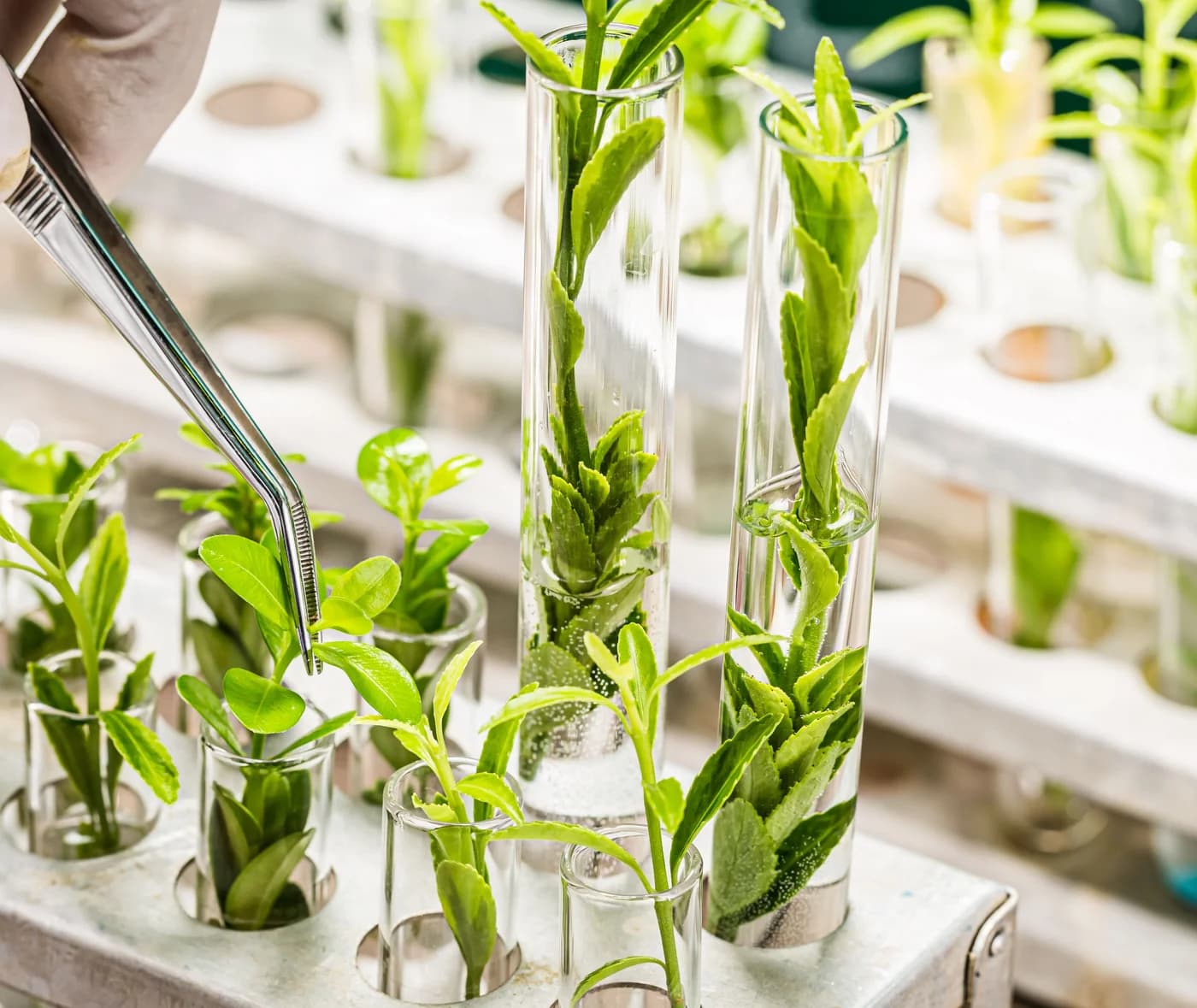
A GMO, or genetically modified organism, is a plant or other living thing whose DNA has been changed using genetic engineering. People have always changed crops through breeding over many generations. Genetic engineering is different because it uses specific laboratory methods to change particular genes.
The term tells you how a trait was developed. It doesn’t tell you whether the final food is high in fibre, low in salt or right for you.
Why are crops modified?
Think about the problems farmers face: pests that damage a harvest, diseases that spread, crops that spoil before they reach the market. Some GM traits are designed to help with these. Others aim to change nutrition, such as adding a nutrient. Each goal is different, and so is each result. Whether a particular trait delivers is a product-specific question, which is why safety reviews matter.
How safety is checked
Approved GM foods go through a review before they reach shops. Regulators look at the specific crop and the specific change. They compare its composition with the regular version and check for possible toxins and allergens, nutritional differences and whether the new trait is stable. Environmental questions, such as how a crop affects farming, are considered through the relevant approval process too.
Rules vary by country. A crop approved in one place isn’t automatically approved everywhere, and local law decides what can be grown or sold. That’s why it’s unwise to make blanket claims about all GM crops based on a single example.
Does eating GM food change your genes?
No. All plant foods contain DNA, and your digestion breaks it down along with the rest of the food. Eating a genetically engineered crop doesn’t rewrite your own genes.
That simple answer doesn’t mean safety reviews are pointless. Each new trait should still be checked for unintended effects. A fair explanation holds both ideas: eating GM food doesn’t change your DNA, and careful testing still matters.
GM, non-GMO and your grocery basket
A GM crop can be nutritionally similar to its conventional version, or a specific trait may change a nutrient. Either way, the production method alone doesn’t make a food healthy or unhealthy. A packet of chips made with a GM ingredient can be high in salt, and so can one labelled non-GMO. “Non-GMO” also doesn’t automatically mean pesticide-free, more nutritious or better for the environment.
So read the nutrition label and ingredient list like you normally would. Vegetables, pulses, whole grains, sensible portions and safe food handling remain the foundation of a good diet. For more practical nutrition reading, browse our Habitology health guides.
Pesticides and the environment
Some GM traits relate to pest control or herbicide use, so the effect on the environment depends on how the crop is grown. Saying every GM crop removes pesticides is too broad, and so is saying every one increases them. Local pests, farming practices and resistance management all play a part.
You can care about these questions and still keep them separate from whether eating an approved food is safe. They’re different concerns and need different evidence.
What about labels in India?
Food rules differ between countries and can change over time. If a label or approval status matters to you, check current information from the relevant Indian authority instead of assuming a rule from a US article applies here. Imported products may also use different terms.
For everyday eating, the ingredient list, allergen statement and safe storage still deserve your attention. And if you have a food allergy, don’t assume a GM or non-GM label replaces an allergen warning.
How to talk about GMOs fairly
Public debate often mixes human health with trade, farming and environmental policy. These are all valid topics, but they aren’t the same topic. When you come across a claim, ask a few simple questions:
- Which crop and which trait is it about?
- Which country’s rules apply?
- Is it about safety, farming, nutrition or personal choice?
- Does the study measure the food people eat, the farming method or an environmental outcome?
A result about one doesn’t automatically answer the others. It also helps to remember that hybrid breeding, gene editing and older genetic engineering aren’t identical methods. Look at the regulator and independent scientific reviews rather than a dramatic headline.
A simple habit to try
Next time you see a GMO claim, find out which crop and trait it’s really about before drawing a conclusion.
Editorial sources
Frequently Asked Questions
Related Articles

What Fortified Means on Food Labels
When a food is fortified, vitamins or minerals have been added to it. That can help, but it does not tell you whether the whole product is a good choice.


Sucralose: Uses, Safety and What Labels Reveal
What sucralose is, how regulators judge its safety, what packet fillers add and how to use it for a specific job.

Natural Sweeteners: What the Label Really Means
"Natural" on a sweetener label does not mean low sugar. See how honey, jaggery, coconut sugar, stevia and monk fruit really compare.