Natural Sweeteners: What the Label Really Means
"Natural" on a sweetener label does not mean low sugar. See how honey, jaggery, coconut sugar, stevia and monk fruit really compare.
Key Takeaways
- Honey, jaggery, coconut sugar and syrups still count as added sugar.
- Stevia and monk fruit extracts are intensely sweet, processed and usually blended.
- Trace minerals in jaggery or honey do not justify large sugar portions.
- Reducing overall sweetness may help more than switching sweetener brands.
"Natural sweetener" can describe honey, jaggery, maple syrup, date syrup, stevia extracts or monk fruit blends, ingredients that behave very differently. The phrase has no single nutritional meaning. Honey and jaggery remain added sugars, while high-intensity plant extracts add little energy but are processed and often blended. A natural story does not remove the need to check the dose and the ingredients.
This guide focuses on what "natural" really tells you on a sweetener label. For an overview of all sugar substitutes, including sugar alcohols and artificial sweeteners, see our sugar substitutes guide.
What does "natural" mean on a sweetener label?
Two very different groups
Sweeteners sold as natural usually fall into two groups:
- Natural sugars: honey, jaggery, coconut sugar, maple syrup and date syrup. These provide energy and raise blood glucose much like table sugar.
- Plant-derived intense sweeteners: stevia and monk fruit extracts. These are far sweeter than sugar, add little energy and are usually blended with bulking agents.
Natural is not the same as low sugar
Words such as raw, organic, unrefined and natural describe how a product is made or marketed, not whether it is free of sugar. "No refined sugar" does not mean low sugar or low carbohydrate.
Natural sugars: how do they compare?
Is honey better than sugar?
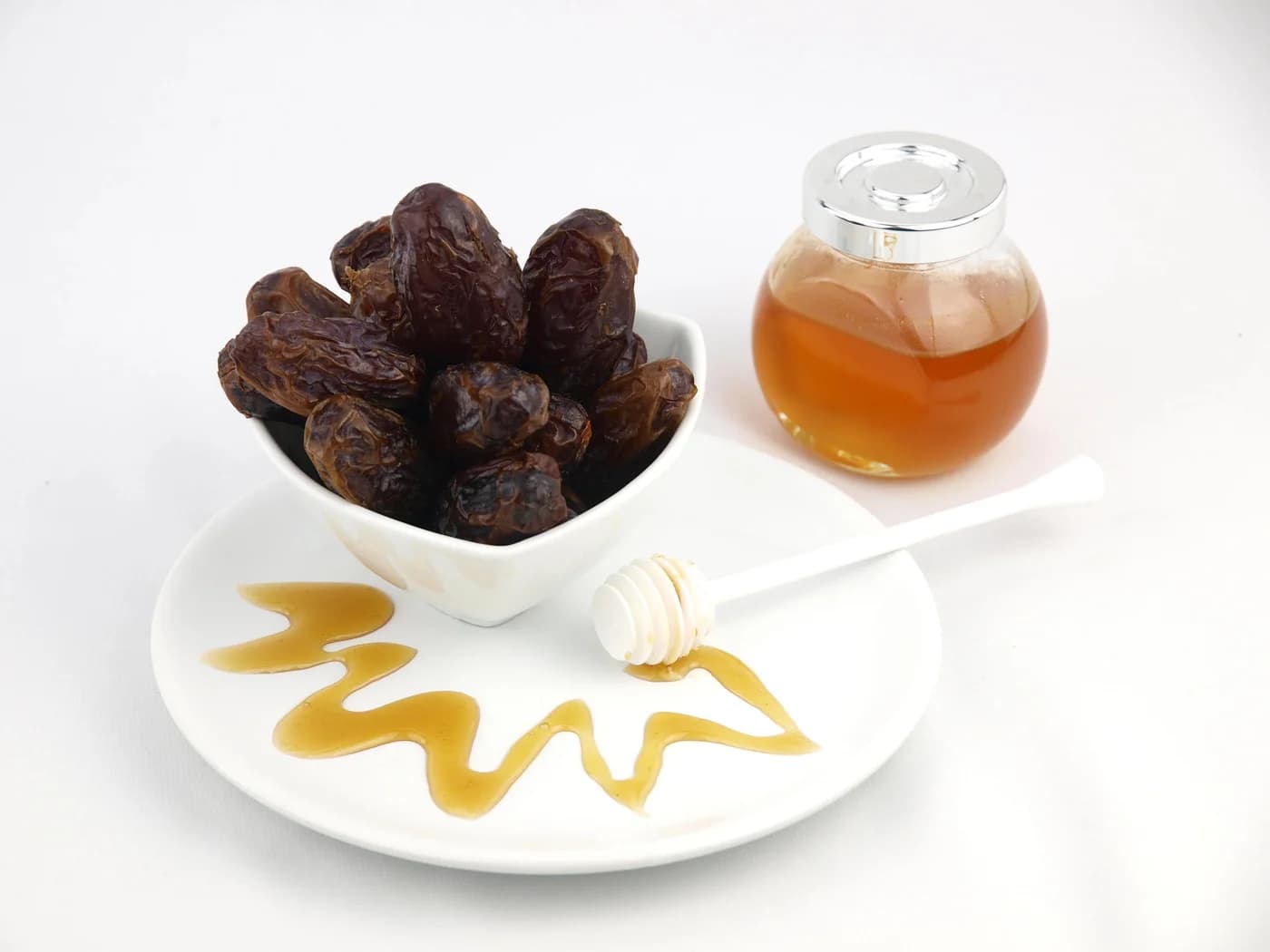
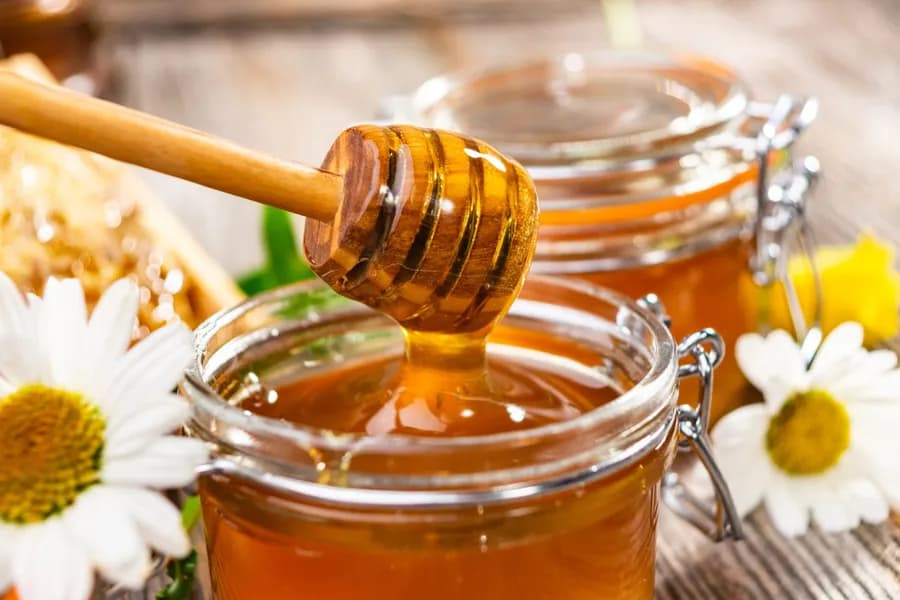
Honey contains water and small amounts of other compounds, but its calories and sugars remain meaningful. Because it can taste sweeter, you may use slightly less in a recipe, yet it does not become a free food for diabetes or weight management.
What about jaggery?
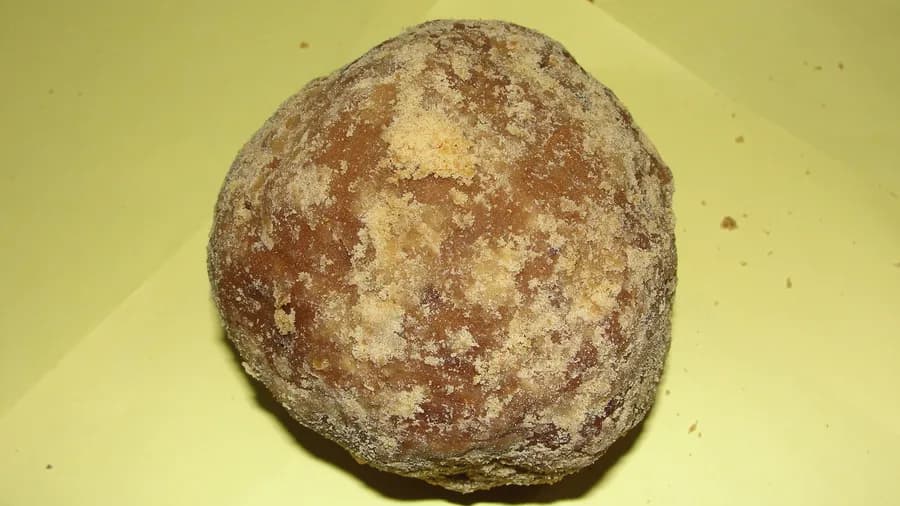
Jaggery is less refined and can contain trace minerals, but the amounts are too small to make it an iron treatment. Eating enough jaggery for meaningful iron would mean eating excessive sugar. Enjoy it for flavour, not as a supplement.
Dates and date syrup
Whole dates provide fibre and need chewing, while date syrup is concentrated and easy to pour. Date paste keeps some structure but still adds a substantial amount of sugar to a recipe.
Can coconut sugar help glucose?
Coconut sugar remains added sugar. Claims about a lower glycaemic index do not make large portions suitable, and the values reported vary. Total carbohydrate, the rest of the meal and your individual response matter more.
Are stevia and monk fruit natural?
Both originate from plants, but commercial sweeteners are extracted, purified and blended. That processing is not automatically bad. The complete product, including any added bulking agents or sugar alcohols, predicts calories, aftertaste and digestive effects better than the leaf or fruit pictured on the packet.
How labels create a health halo
When comparing products, look beyond the front of the pack:
- Added sugars: check the amount per serving.
- Total carbohydrate: especially important if you manage diabetes.
- Serving size: a small serving can make numbers look low.
- First ingredients: several different syrups can split sugar across the ingredient list so that none appears first.
Using natural sweeteners in recipes
Choose a sweetener for its flavour and function, measure it, and reduce the amount gradually where you can. Sugar contributes texture and preservation, so baking substitutions need testing. Spices, fruit and vanilla can build flavour without matching sweetness spoon for spoon.
How to reset your taste for sweetness
Reduce sweetness in one repeated item, such as your tea or breakfast, over several weeks. Let fruit and savoury foods stay as they are rather than sweetening everything intensely. The aim is flexibility, not replacing every white crystal with a brown syrup.
Safety note for babies
Honey should not be given to babies under 12 months because of the risk of infant botulism.
Editorial sources
Frequently Asked Questions
Related Articles
Jaggery vs Sugar: Which Sweetener Is Actually Healthier?
Jaggery is often seen as the natural, guilt-free option, but nutritionally that’s only partly true — both are concentrated carbohydrates that affect.

Honey Benefits: Uses and Safety
Honey may soothe some coughs but is still added sugar. Learn honey benefits, safe portions, and what the evidence actually supports.

Stevia: Benefits, Uses & Ayurvedic Properties
Stevia (Madhupatra) is a natural, calorie-free sweetener with powerful Ayurvedic benefits for blood sugar regulation, weight management, liver health.