
Grape Benefits: Nutrition, Portions and Safety
Grapes provide water, carbohydrate, potassium and plant compounds. Dark and pale varieties differ in flavour, but both can fit a varied diet.
Key Takeaways
- Grapes provide water, carbohydrate, potassium and plant compounds.
- Whole grapes are more filling than juice because they retain fibre.
- Whole grapes are a choking hazard for young children and should be cut lengthwise.
- Resveratrol extract research does not prove that grapes or wine prevent disease.
Grapes provide water, carbohydrate, potassium and plant compounds. Dark and pale varieties differ in flavour and phytochemicals, but both can fit a varied diet. This guide examines grape benefits with practical context and without exaggerated promises.
What matters most about grapes
Whole grapes are more filling than juice because they retain fibre. Research on resveratrol extracts does not prove that large grape portions or wine prevent disease. Most resveratrol studies use concentrated supplements in amounts far greater than a normal bowl of fruit would supply, so their results cannot simply be transferred to everyday eating.
What the research does and does not show
Much of the interest in grapes comes from polyphenols, such as the anthocyanins that give dark grapes their colour and the resveratrol found mainly in the skin. Observational studies link diets rich in fruit and vegetables with better heart and metabolic health, but they cannot single out grapes as the cause. Small trials using grape powder, seed extract or juice have looked at markers such as blood pressure and cholesterol, with mixed and modest results. Those products are not the same as eating fresh grapes.
The realistic role is simpler. Grapes are a convenient, widely available fruit in India, especially from late winter into early summer when the main harvest reaches local markets. They can replace biscuits, sweets or packaged snacks, add variety to fruit intake and provide water and a little fibre. Claims about grape benefits are most believable when they stay at this level: a genuine dietary benefit, not a treatment.
Using grapes in everyday meals
- Serve a small bowl as fruit.
- Add halved grapes to curd or salad.
- Freeze whole grapes only for adults who can manage the choking risk.
- Choose whole fruit more often than juice.
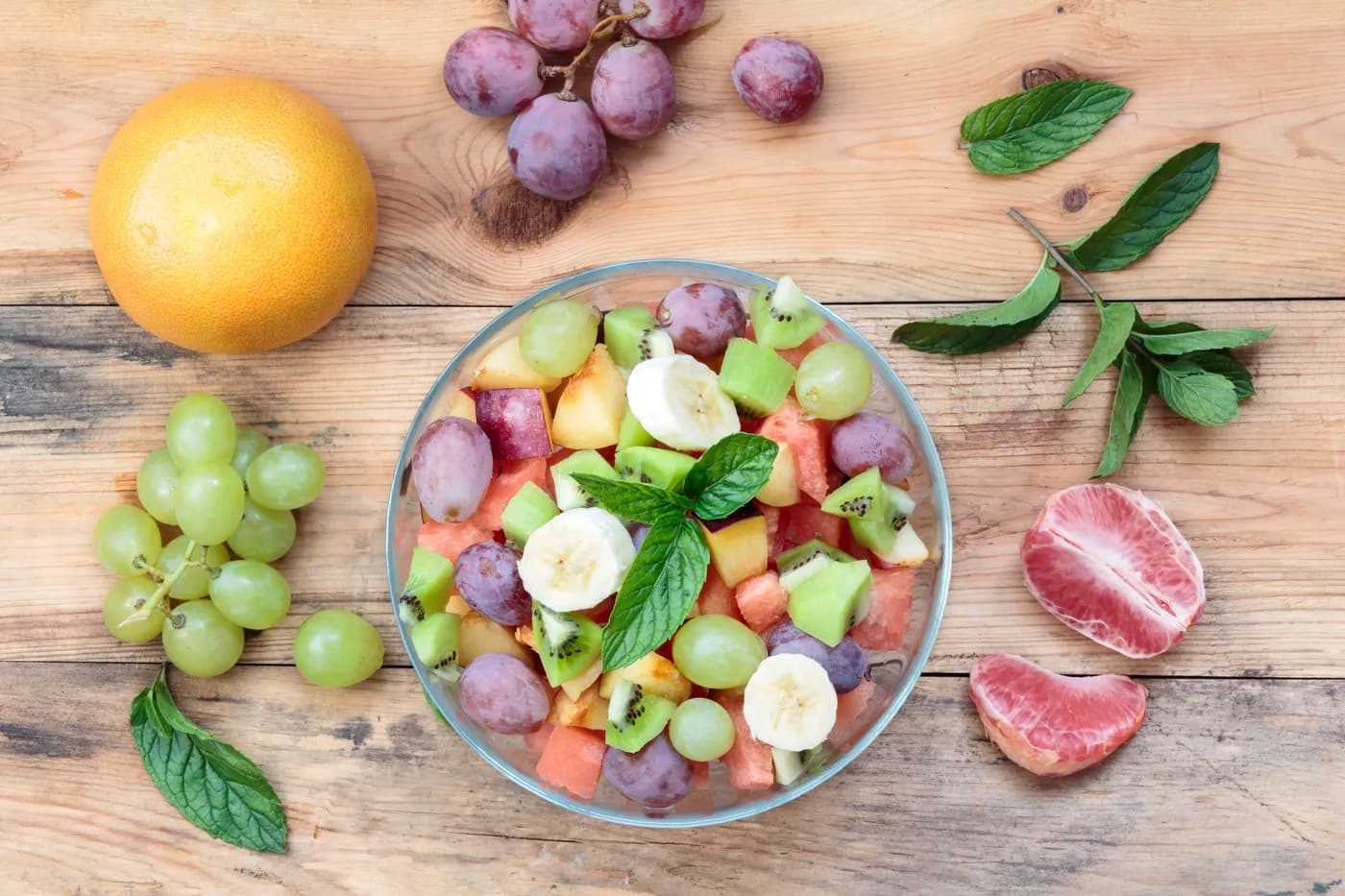
In Indian kitchens, grapes work well in a fruit chaat with guava, apple and pomegranate, stirred into raita, or added to a sprout salad for sweetness. Let the fruit provide the sweetness rather than adding sugar or cream, and go easy on salty chaat masala.
How preparation changes grapes
Grapes are almost always eaten raw, so preparation mostly means washing, cutting and choosing the form. Rinse the fruit under running water just before eating rather than storing it wet. Pairing a portion with curd, a handful of nuts or a protein-containing meal makes the snack more filling than eating grapes alone. Grape jams, squashes and canned fruit in syrup carry added sugar, so read the label before treating them as a fruit serving.
When to take extra care
Whole grapes are a choking hazard for young children and should be cut lengthwise. Large portions add concentrated carbohydrate; people managing blood glucose should individualise serving size.
Some people notice bloating or loose stools after a large bowl eaten quickly. Grape allergy is uncommon but possible. Grape seed extract supplements are a different product from fresh fruit and may not suit people taking blood-thinning medicines, so discuss them with a doctor first. Keep grapes and raisins away from dogs, for whom they can be toxic.
Choosing grapes as whole fruit
Fresh grapes provide water, carbohydrate and small amounts of fibre and micronutrients. Red, black and green varieties can all fit a varied diet; colour does not turn one type into a medicine. Wash them under running water and serve whole grapes carefully because they can be a choking hazard for young children. Cutting them lengthwise into smaller pieces is safer. Refrigerate washed or cut fruit promptly.
Whole grapes, raisins and juice
Raisins are grapes with most of the water removed, so sugar and energy are concentrated into a smaller volume. Juice is easy to drink quickly and contains less fibre than whole fruit. These forms are not forbidden, but portions are not interchangeable. Whole grapes are generally more filling. People monitoring blood glucose can pair a suitable portion with curd, nuts or another protein source and observe their individual response.
What antioxidant claims leave out
Grapes contain plant compounds, including polyphenols, but laboratory antioxidant activity does not prove that grapes prevent cancer, reverse ageing or protect the heart by themselves. Benefits of grapes are best understood as part of eating a range of fruit and vegetables. Wine is not a health substitute for grapes; alcohol carries risks, and starting to drink for resveratrol is not recommended.
A useful everyday conclusion
Choose grapes when they are fresh, affordable and enjoyable, and vary them with other seasonal fruit. A small bowl can work as a snack or dessert. Benefits of grapes do not require a special colour, seed extract or daily juice routine. The most useful habit is eating fruit regularly in a form and portion that suits appetite, dental health, glucose management and the rest of the meal.
Portion and preparation matter
A practical serving is the amount that fits comfortably in a snack or meal; there is no universal cup target. Frozen grapes can be refreshing for adults but remain a choking risk for children. Grapes used in desserts, syrups or sweetened drinks come with the nutrition of the complete recipe. Grape benefits are not improved by peeling away the skin, and seedless varieties remain nutritious. Wash just before eating to help preserve quality. For most people, grapes are simply another way to meet fruit intake while enjoying variety, hydration and natural sweetness.
People with kidney disease or another condition requiring potassium or carbohydrate control should follow their personalised plan rather than a general fruit rule. Frequent grazing on grapes can also affect dental health because their natural sugars stay on the teeth. Eat them as a defined snack or with a meal, drink water afterwards and maintain regular brushing. These details make fruit easier to enjoy without turning normal nutrition into a medical promise.
Editorial sources
Frequently Asked Questions
Related Articles

Draksha (Grape): Benefits, Uses & Ayurvedic Properties
Draksha (Vitis vinifera), the grape, is one of Ayurveda’s most revered Rasayana fruits — nourishing, cooling, and rejuvenating for all three doshas..


Vegetarian protein: needs, myths and meal planning
Vegetarian meals can provide enough protein. Learn practical needs, simple Indian food sources, common myths and an easy meal-planning method.

High-Fibre Foods: Simple Indian Meal Ideas
Find high-fibre Indian foods, easy meal ideas, gradual intake tips and practical advice for constipation and daily health.