
Grape Seed Extract: What the Evidence Really Says
Grape seed extract is sold for blood pressure and antioxidant support, but a capsule is not the same as grapes, and the evidence is thin.
Key Takeaways
- Grape seed extract is a concentrated product, not the same as eating grapes.
- Evidence for blood pressure benefits is limited and modest.
- It may interact with blood thinners; tell your surgical team before procedures.
- It should not replace prescribed heart or blood pressure treatment.
Grape seed extract is sold as a natural way to support blood pressure, circulation and antioxidant protection. It sounds like a neat by-product of something healthy. But a concentrated capsule is a different thing from a bowl of grapes, and the evidence is thinner than the labels suggest.
What’s being sold
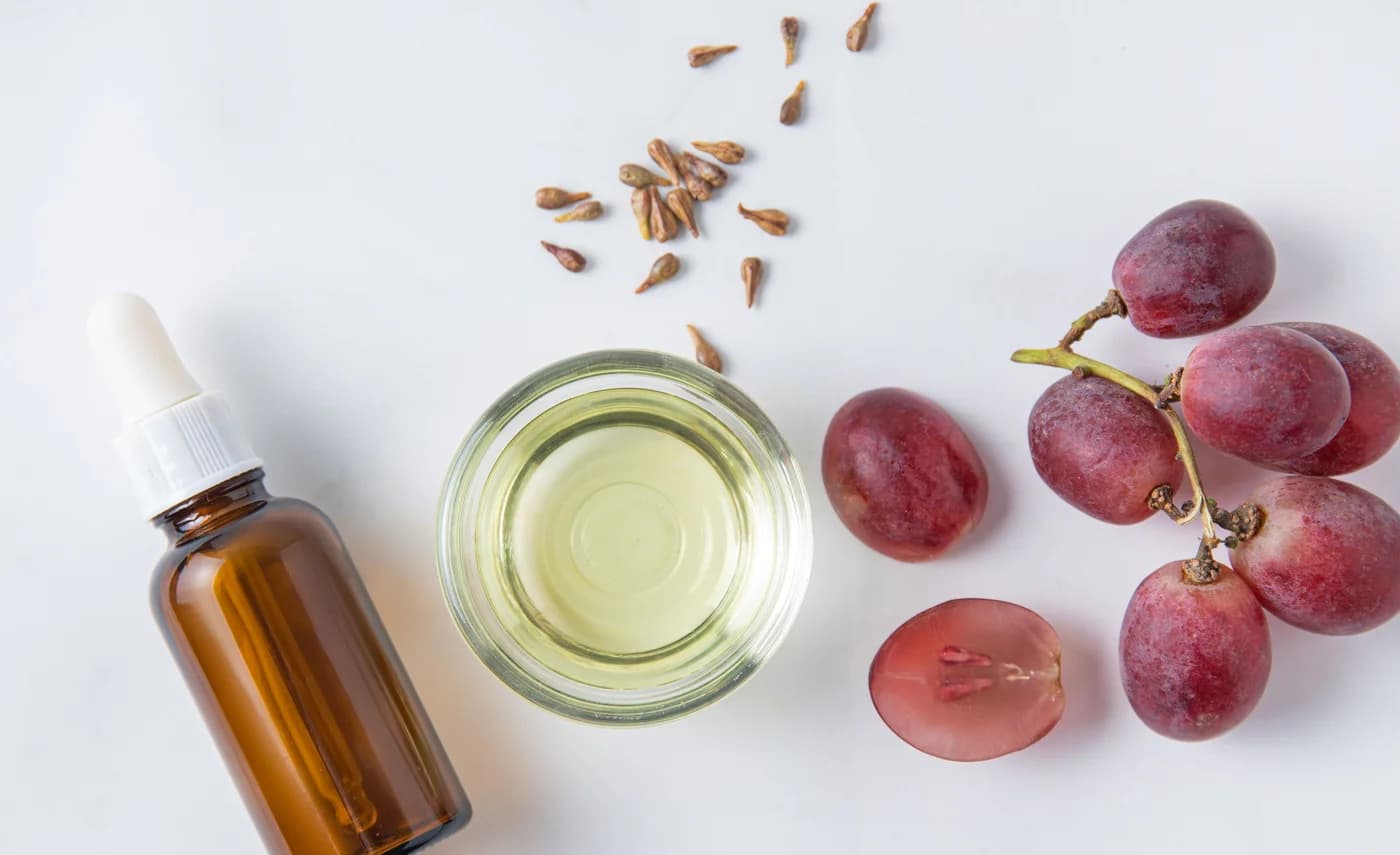
Grape seed extract is a concentrated product made from grape seeds. A bowl of grapes also gives you water and other food components, so the two aren’t the same.
Labels often mention proanthocyanidins or an “antioxidant score”. These describe compounds or lab tests, not a promised health result. Different brands use different extraction methods and strengths, so you can’t compare one bottle with another. And “natural” doesn’t tell you whether a dose is safe or effective.
What studies suggest on blood pressure
Some small studies have looked at whether the extract changes blood pressure. Results differ by study design, dose, duration and the health of the people studied. Even a modest average drop in a study doesn’t mean you can stop your prescribed medicine.
Home readings can also vary for many reasons. If you monitor your blood pressure, use a validated device and review repeated readings with your doctor. If you have very high readings or worrying symptoms, get care instead of waiting for a supplement to work. Our guide on how to control high BP covers daily habits that help alongside treatment.
Antioxidants in context
Your body has its own systems for handling normal chemical reactions. A lab test of antioxidant activity doesn’t show that a capsule prevents disease. Fruit, vegetables, pulses and nuts bring antioxidants along with many other nutrients in familiar foods.
No extract makes up for tobacco, poor sleep or an untreated condition. When one advertisement promises better circulation, glowing skin and heart protection all at once, ask which human trials measured each of those outcomes. Plausible chemistry isn’t the same as proven benefit.
Medicines and procedures
If you take aspirin, blood thinners or other medicines that affect bleeding, ask a doctor or pharmacist before trying an extract. Blood pressure medicines may also need a review. An interaction warning doesn’t mean everyone will react, but your full medicine list matters.
Tell your surgical team about every supplement before a planned procedure. Keep the bottle handy so the ingredients and amount can be checked, instead of relying on memory.
Side effects and quality
Some people get headaches, stomach upset or other reactions. Stop using the product if a new symptom appears, and get advice if needed. Products can vary in purity and labelling. Independent testing can help confirm what’s in the bottle, but it can’t prove a health claim.
Avoid large doses suggested on social media. During pregnancy and breastfeeding, be cautious with concentrated extracts because good safety evidence is limited.
Grapes are a fine alternative
If you enjoy grapes, a comfortable portion of whole fruit fits a varied diet. They aren’t a treatment, but they’re a pleasant part of it.
For heart health, the steps with the broadest evidence are regular movement, balanced meals, enough sleep, staying tobacco-free and taking prescribed medicines. If cholesterol is on your mind, see our guide on how to reduce cholesterol naturally. Regular strength training also supports a healthy heart.
Think before you check out
Write down the benefit the label promises. Ask whether the evidence is in humans and whether it measured the outcome you care about. List your medicines and health conditions. If the product still appeals to you, ask a qualified professional whether it makes sense.
Keep a note of when you start and any effects you notice. A supplement should never replace a treatment plan for high blood pressure or another diagnosed illness.
Don’t forget the cost
If a monthly supplement eats into money you’d spend on vegetables, medicines or blood pressure check-ups, weigh that trade-off. Ask what you can actually measure and when you’ll review it. A vague feeling of “better circulation” is hard to judge.
Don’t keep raising the dose because nothing happened after a week. A lack of effect may simply mean the claim was never well supported.
If you’re at heart risk
For someone at cardiovascular risk, proven steps usually include checking blood pressure, talking to a doctor about cholesterol, moving regularly and taking prescribed medicines. Grapes and other fruit can be a nice part of that pattern.
A grape seed capsule is a separate decision that needs a medicine and safety review. If a doctor advises against it because of a procedure or an interaction, follow that advice, even if the bottle says “plant-based”. For more reading, browse our Habitology health guides.
A simple habit to try
Before buying grape seed extract, write down the benefit you expect and review your medicines with a doctor or pharmacist.
Editorial sources
Frequently Asked Questions
Related Articles
Best Diet Plan for Muscle Building
A consistent supply of protein, quality carbohydrates, and healthy fats repairs muscle tissue and fuels workouts — training is only half the equation. See what the right nutrition looks like.


Diet for Strength Training: a Practical Eating Guide for Muscle and Recovery
Explore protein, carbohydrates, healthy fats and meal planning for strength training, muscle building and recovery.
Calorie Deficit Diet Plan: A Sample Indian Day, Plateaus and Maintenance
Turn a calorie deficit into a plan you can live with: a three-day audit, a sample vegetarian Indian day, weekends, plateaus and maintenance.
