
Healthy Juices: Portions, Nutrition and Better Drink Choices
Juice can provide fluid and some vitamins, but it is easier to drink quickly than whole fruit and usually contains less fibre.
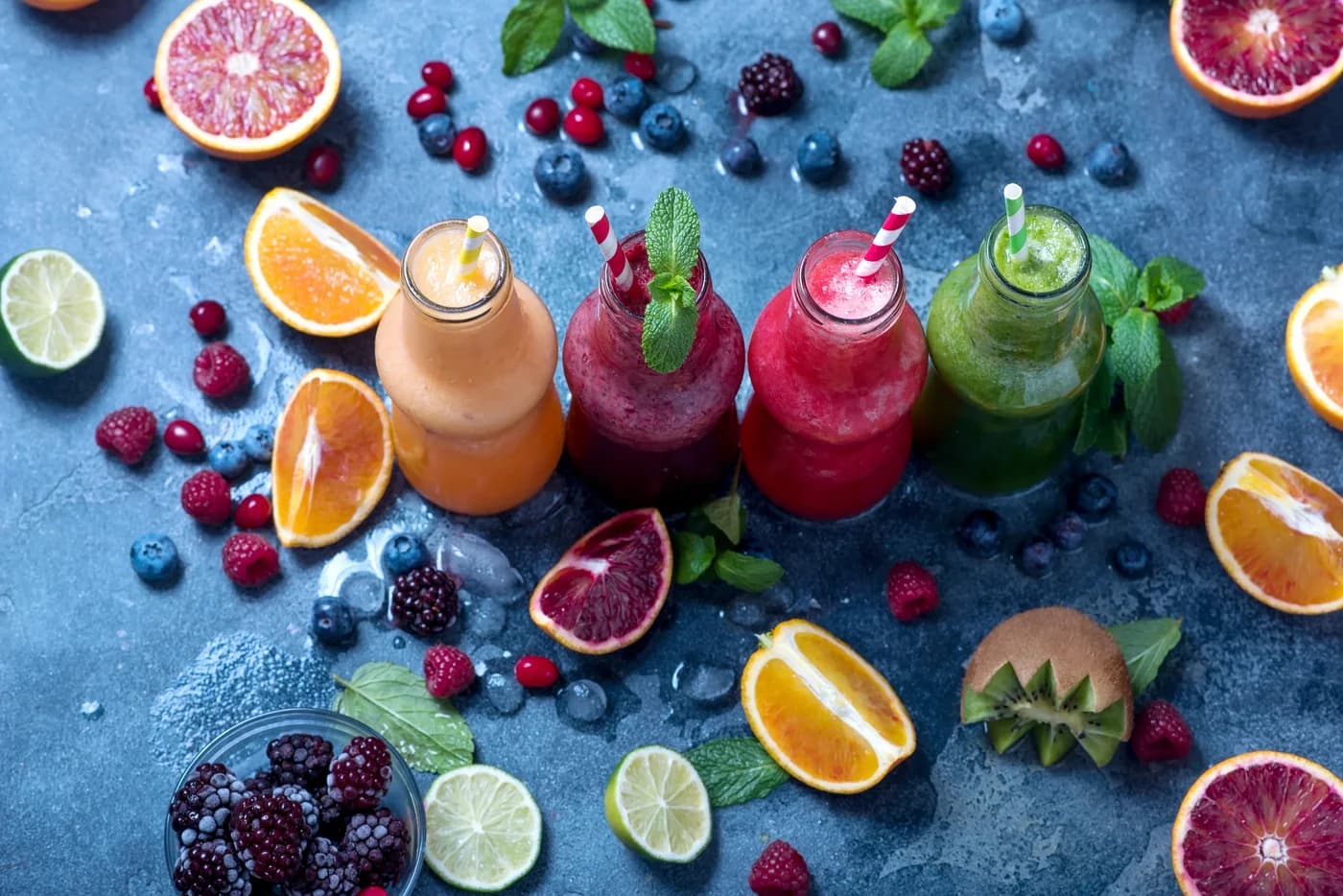
Key Takeaways
- Whole fruit is usually more filling than juice and keeps more of its fibre.
- A small unsweetened glass with a meal is enough for most occasions.
- Honey, jaggery and syrups add sugar even when a juice is labelled natural or cold-pressed.
- Juice cleanses do not detox the body; the liver and kidneys do that continuously.
Juice can provide fluid and some vitamins, but it is easier to consume quickly than whole fruit and usually contains less fibre. A sensible approach treats juice as an occasional drink, not a detox or a compulsory health habit.
Whole fruit and juice differ
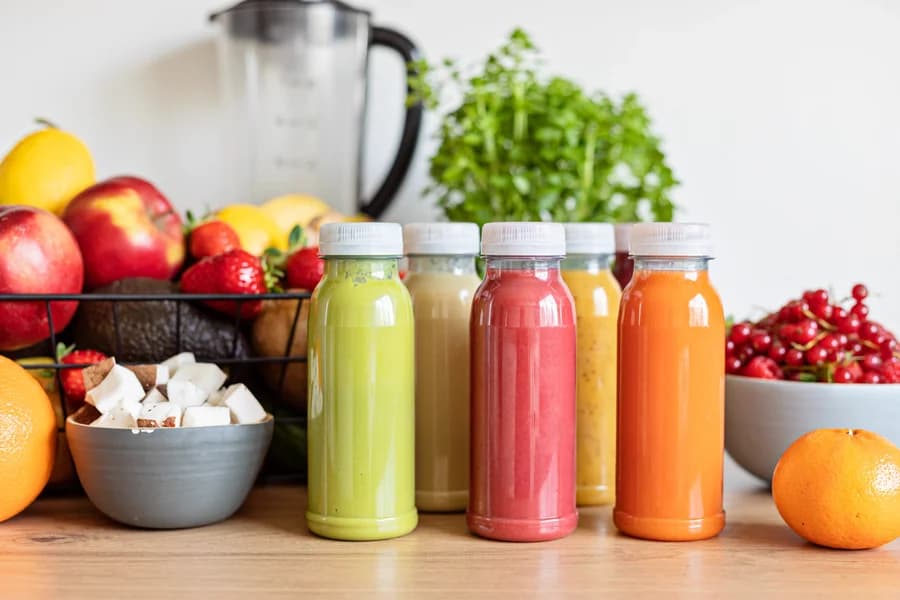
Juicing removes or disrupts much of the structure that slows eating and keeps you full. Several fruits can fit into one glass and deliver their carbohydrate rapidly, whereas eating the same fruits whole would take longer and feel more filling. For most people, the healthiest "juice" choice is often simply eating the fruit.
Vegetable juice is not automatically light
Beetroot and carrot drinks still contain natural sugars, while packaged vegetable blends may be high in sodium. A green colour on the bottle does not tell you what is inside, so check the ingredient list and nutrition panel.
Portion matters
A small glass alongside food is different from a large bottle sipped for hours. Check the serving size on the label rather than assuming the whole container is one serving. Using a small glass at home is an easy way to keep healthy juices in proportion.
Added sugar hides easily
Honey, jaggery, syrups and sweetened concentrates all add sugar. Words such as natural, fresh or cold-pressed do not change that. Fruit "drinks" and "nectars" may contain less fruit and more added sugar than pure juice.
Diabetes and glucose response
Juice can raise blood glucose quickly and is not equivalent to whole fruit. People with diabetes should be guided by individual advice, portion size and their medicine plan. Whole fruit with a meal is usually an easier fit than juice on its own.
Dental health
Frequent sipping exposes teeth repeatedly to sugar and acid. Drink juice with a meal rather than across the day, avoid holding it in the mouth and rinse with water afterwards. Brushing immediately after an acidic drink is best delayed for a while.
Food safety at home
Wash produce, clean the juicer thoroughly after each use and refrigerate fresh juice promptly. Unpasteurised juices carry extra risk for vulnerable people, including pregnant women, young children, older adults and anyone with a weakened immune system.
Detox claims
The liver and kidneys manage waste continuously. A juice-only cleanse can be low in protein, fibre and energy without removing any mysterious toxins. Feeling lighter during a cleanse usually reflects eating less, not a detox effect.
When juice is clinically useful
Juice may help in certain medical situations or when appetite is poor, but the purpose and portion should be defined by the care plan from a doctor or dietitian.
Better everyday drinks
Water, unsweetened chaas and plain milk or fortified plant alternatives can offer hydration without turning several fruits into one drink. Infusing water with lemon, mint or cucumber adds flavour without added sugar.
Smoothies are a middle ground
A smoothie retains more of the whole fruit than strained juice, but blending still makes a large quantity easy to drink quickly. Keep the portion visible, avoid adding multiple sweeteners and include curd, a soy drink or seeds when a more complete snack is intended. It should not become an automatic extra meal.
Editorial sources
Frequently Asked Questions
Related Articles
Amla Juice Benefits: Immunity, Digestion & Skin
Amla juice concentrates Indian gooseberry into an easy daily shot — vitamin C, antioxidants, and polyphenols without eating the sour fruit itself. See.
Beetroot Juice Benefits: Nutrition, Timing and Smart Choices
Beetroot juice benefits can affect hydration, energy or nutrient intake depending on its ingredients. Packaged and homemade versions may differ greatly.

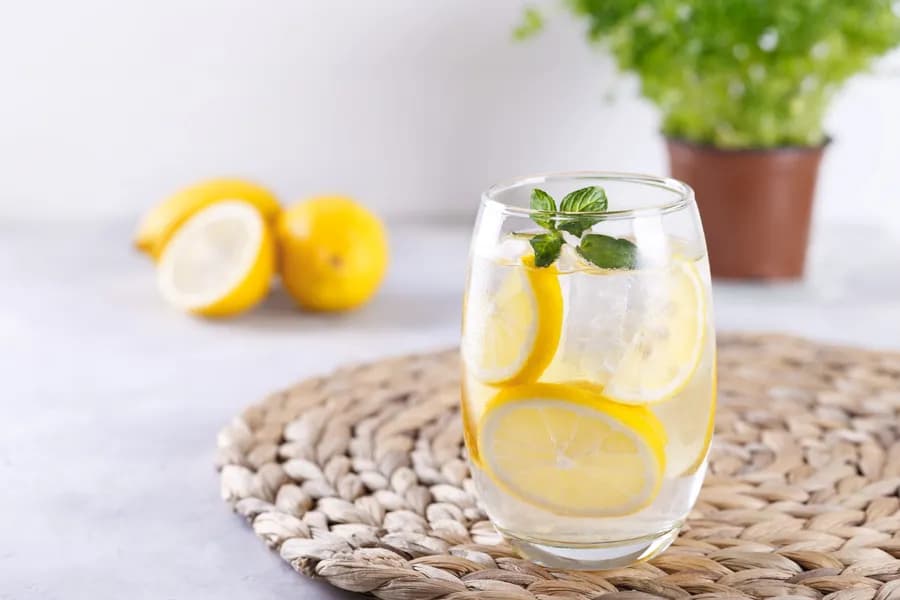
Lemon Water Benefits: Hydration, Vitamin C and Dental Safety
Lemon water is simply water with lemon juice or slices, and its main value is helping some people drink more water. Learn dental safety.