
Healthy Snacks for Kids: Simple Food for Hungry Gaps
Make snack time easier with familiar food, age-appropriate textures and portions that fit the gap between meals.
Key Takeaways
- Start with the hunger gap, not a perfect food list.
- Combine foods when the gap is long.
- Choose age-appropriate textures for crunchy foods.
- Keep packaged snacks and treats in perspective.
A useful snack gives a child something to eat between meals without turning the whole day into grazing. It can be ordinary food: a small idli, fruit with curd or a filled roti. You do not need a separate range of children's health products or a complicated weekly menu. The important questions are whether the child is hungry, what they can manage safely and how the food fits around meals.
This guide focuses on children who already eat family foods. Babies need age-specific feeding advice rather than the same snack list.
Start with the gap, not a perfect food list
A child coming home from school may need a substantial snack if dinner is several hours away. A small amount of fruit may be enough when the next meal is near.
Offer a predictable opportunity to eat instead of constant little packets throughout the afternoon. That helps children arrive at meals with an appetite while knowing food will be available.
There is no need to force the same portion every day. Activity, growth and appetite vary. Start with a manageable amount and allow more when the child remains hungry, rather than treating an empty box or an unfinished snack as a judgement on whether the day went well.
Combine foods when the gap is long
A fruit or vegetable can bring variety, while a protein or starchy food makes the snack more substantial. The combination need not be elaborate.
Try banana with plain curd, a small paneer or tofu sandwich, or soft cooked chana mashed into a filling. For a child who likes savoury food, a small vegetable chilla can work well.
You can serve the components separately. A child does not have to accept fruit mixed into yoghurt to eat both foods. Familiar presentation can make a new combination easier without requiring a decorative lunchbox or hiding everything in a recipe.
Use familiar leftovers thoughtfully
An extra idli, a small roti roll or a portion of a suitably prepared family dish can make an easy snack. This reduces the need to cook something separate every afternoon.
Prepare portions so the child can hold and chew them comfortably. Adjust strong chilli or hard pieces where necessary, rather than assuming children's food must be bland and sweet.
Store leftovers safely and reheat appropriately. A useful snack is food that is actually available and safe to eat, not a recipe saved for a day when someone has more time. Planning one extra portion can be enough.
Offer fruit without making it a test
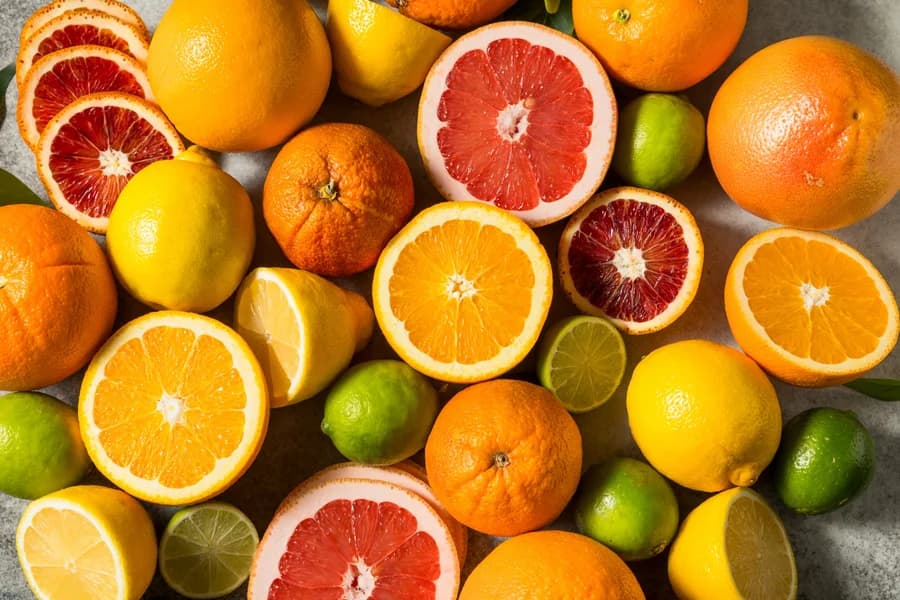
Choose fruit the household can afford and use. Soft pear, banana, orange segments prepared appropriately or other seasonal options can all fit.
Wash fruit and prepare it for the child's age and chewing ability. Cut grapes lengthways into quarters for young children rather than offering them whole. Hard apple may need thin slices, grating or softening for a younger child.
If fruit is refused, keep offering it calmly at other times. You do not need to negotiate every bite or describe it as the food that must be finished before a treat is allowed. Repeated low-pressure opportunities are more useful than a daily battle.
Crunch needs age-appropriate choices
Whole nuts, popcorn and hard roasted chana can be choking risks for young children. Whole nuts and popcorn should not be offered to children under five.
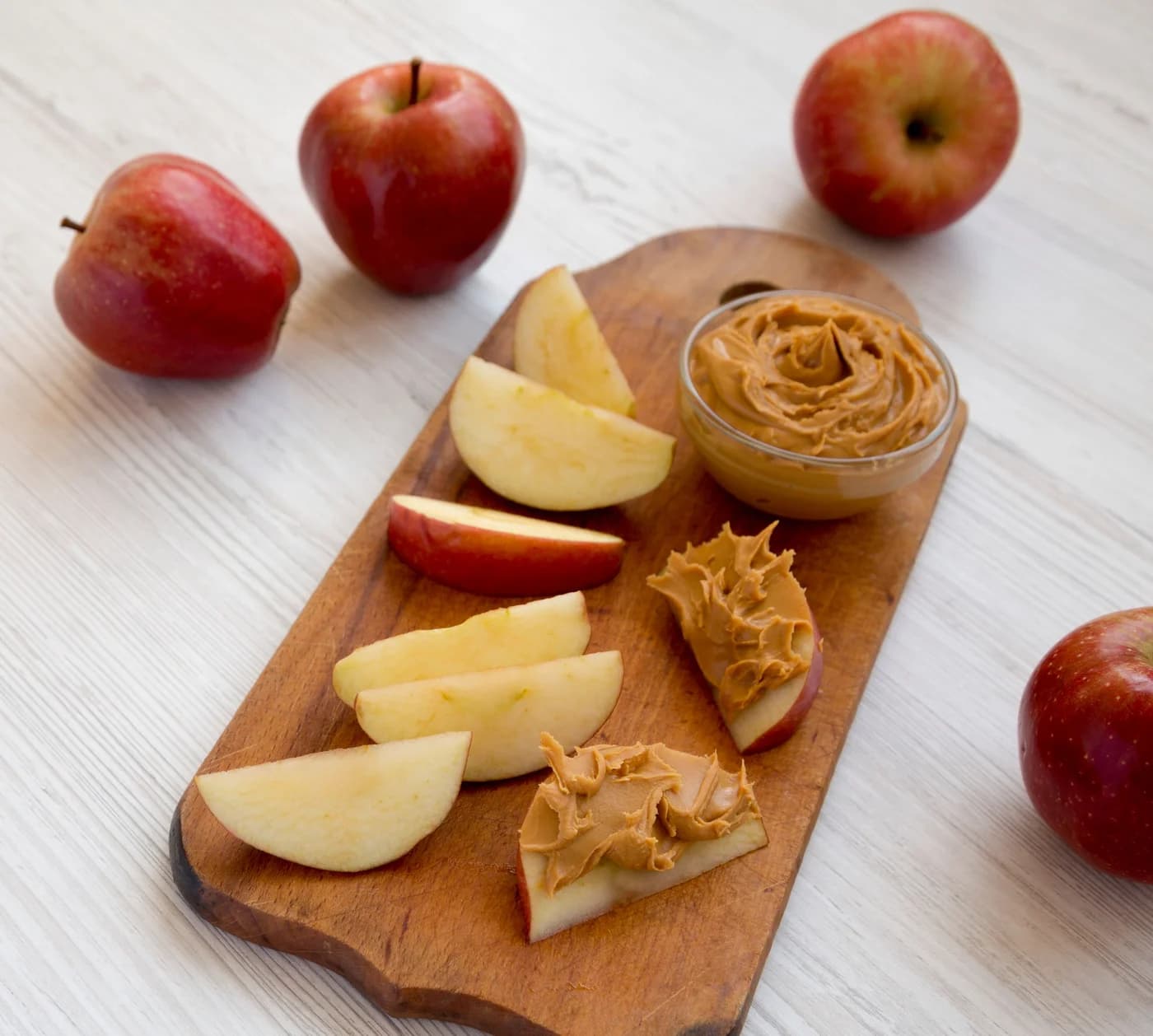
Finely ground nuts mixed into suitable food, or smooth nut butter spread thinly, can be options when there is no relevant allergy. Do not offer a thick spoonful of nut butter by itself.
Older children who chew safely may have more options, but everyone should sit to eat rather than run or play with food in the mouth. Supervision and preparation matter as much as the ingredient's nutrition. A food can be nutritious and still have an unsuitable shape or texture.
A drink is not always the snack a child needs
Water can be the usual thirst drink. Milk may contribute nourishment within the day, but repeated large servings can reduce appetite for other food in some children.
Fruit juice, sweetened milk drinks and packaged fruit beverages are easy to consume quickly and do not provide the same eating experience as whole fruit. A fruit picture does not change the added sugar in a product.
If a child comes home hungry, offer food rather than trying to fill the gap with a sweet drink. Keep portions and drink choices suitable to age, and avoid caffeinated energy drinks as a way to manage tiredness or a busy schedule.
Pack for the time until eating
Curd, paneer, cut fruit and many cooked foods need appropriate cooling. Use an insulated bag with a cold pack when the food will be away from refrigeration.
If that is not practical, choose a suitable shelf-stable option and prepare a different snack for home. School allergy rules also affect what can go into a lunchbox.
Use a container the child can open, pack a manageable amount and consider how long they have to eat. Convenience includes the child's ability to use the food, not just how quickly an adult can assemble it. An attractive box is less helpful if its contents are difficult to chew or access.
Keep packaged snacks and treats in perspective
Plain curd, suitable bread or an unsweetened cereal can be convenient. Packaged does not automatically mean unsuitable, and homemade does not automatically mean low in sugar or salt.
For foods bought frequently, choose according to their actual role. A protein claim on a sweet bar does not make it necessary for a child, while an occasional biscuit need not become a source of guilt.
Offer variety without calling a child good or bad for the snack they enjoy. Children benefit from guidance and dependable food, not a moral ranking of every bite. Avoid using weight-loss language or adult calorie targets to plan ordinary children's snacks.
Make one reliable option easy
Keep ingredients for two or three snacks the child generally accepts, then rotate other foods around them. You do not need a different invention every day.
If feeding becomes very restricted, growth is a concern or eating repeatedly causes pain or choking, seek appropriate support. That is different from an ordinary day of uneven appetite.
A good snack routine leaves room for meals, play and enjoyment. Start with safe, familiar food and let the child's appetite help determine the amount. The aim is to make hungry gaps easier for the household, not create another daily performance.
Editorial sources
Frequently Asked Questions
Related Articles

Height Growth in Children and Teens: What Really Helps
Genetics shapes adult height, but nutrition, sleep, health and puberty affect whether a child reaches their growth potential.


Murmura Bhel: Healthy Puffed Rice Snack Recipe
Puffed rice, chopped vegetables, roasted peanuts, and lemon make a quick, crunchy snack — best mixed and eaten right away. See the full recipe.

Healthy Breakfast Options: What Actually Makes a Breakfast Good for You
A good breakfast has enough protein to keep you full, enough fibre to steady blood sugar, and not much added sugar — most packaged cereals and bakery.
Curd vegetable salad: a cooling lunch side
A curd vegetable salad is a cooling, probiotic-rich side that pairs easily with any Indian meal. Full recipe below.