
High Fiber Diet in India: Foods, Benefits, and How to Start
A high fiber diet doesn’t need special ingredients — whole grains, dals, and seasonal vegetables already sit in most Indian kitchens. See how to build.

Key Takeaways
- Most Indian diets fall short of the recommended 25-30 grams of fibre a day.
- Simple swaps work: atta with bran, brown rice, or ragi instead of maida and polished rice.
- Soluble fibre slows digestion; insoluble fibre adds bulk and prevents constipation.
- Jumping to a very high-fibre diet overnight can cause bloating, gas, and cramping.
- Add one swap a week and increase water alongside fibre to ease the transition.
A high fiber diet in India doesn’t need special ingredients — it’s built around whole grains, dals, seasonal vegetables, and fruits that already sit in most Indian kitchens. Fibre supports digestion, keeps you fuller for longer, and helps steady blood sugar, yet most Indian diets fall short of the recommended 25-30 grams a day.
What a High Fiber Diet in India Actually Looks Like
Building a high fiber diet in india isn’t about counting grams — think in terms of swapping refined foods for their whole, less-processed versions:
- Whole grains over refined: atta with bran, brown rice, jowar, bajra, ragi, and daliya instead of maida and polished white rice
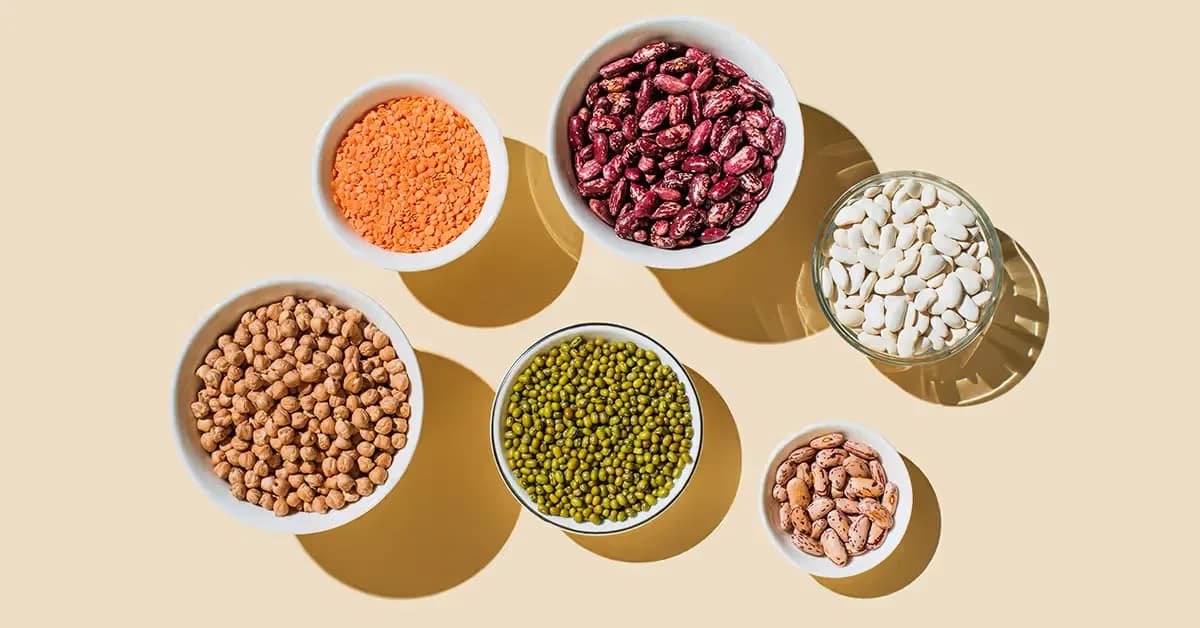
- Dals and legumes daily: moong, chana, rajma, masoor, and whole soybean — all naturally high in both soluble and insoluble fibre
- Vegetables with skin: bhindi, cauliflower, carrots, beetroot, and leafy greens like methi and palak, cooked lightly rather than overboiled
- Fruits with edible skin: apple, guava, pear, and papaya, eaten whole instead of juiced
- Nuts, seeds, and sprouts: flaxseed, chia, almonds, and sprouted moong added to meals or snacks
Why a High Fiber Diet in India Matters for Digestion and Beyond
Fibre works in two ways, and Indian meals typically supply both types across a single thali:
| Fibre type | What it does | Indian food sources |
| --- | --- | --- |
| Soluble fibre | Slows digestion, softens stool, helps manage cholesterol and blood sugar | Oats, dals, apples, flaxseed |
| Insoluble fibre | Adds bulk, speeds transit, prevents constipation | Whole wheat bran, vegetable skins, whole grains |
Beyond regular bowel movements, fibre keeps you feeling satisfied after meals, which naturally curbs overeating and snacking. It also slows glucose absorption, meaning less of a blood sugar spike after rice or roti when dal, sabzi, and salad are eaten alongside. Over time, a fibre-rich pattern has been linked to better heart health and a lower risk of several lifestyle diseases that are increasingly common in urban India. This is exactly why building a high fiber diet in india pays off well beyond digestion alone.
Photo: Meghana Mohanty, CC BY-SA 4.0, via Wikimedia Commons
How to Increase Fibre Intake Without Discomfort
Jumping from a low-fibre diet to a very high one overnight often backfires — sudden high fibre intake can cause bloating, gas, and cramping, so easing into a high fiber diet in india works far better with a gradual, steady approach:
- Add one swap per week — replace white rice with brown rice at one meal, or maida roti with atta roti, before making more changes. This is a simple way to phase into a high fiber diet in india without shocking your gut.
- Increase water alongside fibre — fibre needs fluid to move through the gut smoothly; without it, constipation can actually worsen.
- Introduce legumes slowly if you’re not used to them — start with smaller portions of rajma or chana and let your gut adjust over one to two weeks.
- Spread fibre across the day rather than loading it all into one meal, which is gentler on digestion.
- Keep some cooked vegetables alongside raw salads, since well-cooked fibre is easier on a sensitive gut than large amounts of raw produce at once.
Most people find that within two to three weeks, bloating settles and the benefits — lighter digestion, steadier energy, fewer hunger pangs — become noticeable. Stick with it, and a high fiber diet in india starts to feel like second nature rather than a diet you’re following.
Once the basics feel comfortable, breakfast is often the easiest meal to fibre-up further — High Fibre Breakfast Recipes has practical Indian ideas, and if rice is still a daily staple at lunch or dinner, Brown Rice Versus White Rice walks through whether making that swap is worth it for you.
High Fiber Diet in India: Myths vs Facts
Myth: All fibre is the same. Fact: Soluble and insoluble fibre do different jobs, and a well-built high fiber diet in india naturally includes both — oats and dals for soluble fibre, vegetable skins and whole grains for insoluble.
Myth: You need fibre supplements or powders to hit your target. Fact: Whole foods already common in Indian kitchens — dals, millets, vegetables, and fruit — can comfortably meet the 25-30g daily target without any powder or supplement, provided portions are consistent.
Myth: A high fiber diet in india means giving up rice or roti entirely. Fact: It simply means choosing less-refined versions more often — brown rice instead of white, atta with bran instead of maida — not eliminating staples altogether.
Myth: More fibre is always better. Fact: Beyond about 40-50g a day, additional fibre mostly causes discomfort without extra benefit, and can even interfere with mineral absorption in very large amounts.
How Much Fibre Is Too Much?
While most Indians eat too little fibre, it is possible to overdo it, especially if you switch abruptly. Eating more than 50-60 grams a day, particularly without enough water, can cause bloating, gas, mineral malabsorption (fibre can bind to iron, zinc, and calcium, reducing how much your body absorbs), or in rare cases, discomfort in people with an already narrowed or sensitive gut. For most healthy adults following a high fiber diet in india, staying within the 25-35g range with plenty of water is the sweet spot — more isn’t automatically better once you’ve closed the gap from the typical 15-20g Indian intake.
Frequently Asked Questions
Related Articles

Diet for Strength Training: a Practical Eating Guide for Muscle and Recovery
Explore protein, carbohydrates, healthy fats and meal planning for strength training, muscle building and recovery.
How to Get Enough Protein on a Vegetarian Diet
Learn how protein rich vegetarian foods support energy, strength and fullness. Use the perfect plate habit with greens, grains and protein.


High BP Kaise Control Kare Yoga Se
High BP kaise control kare yoga se? जानिए 7 असरदार योगासन, सही तरीका और रोज़ाना की दिनचर्या जो BP को संतुलित रखने में मदद करे।
