
How to Get Enough Protein on a Vegetarian Diet
Learn how protein rich vegetarian foods support energy, strength and fullness. Use the perfect plate habit with greens, grains and protein.
Key Takeaways
- The perfect plate formula: half vegetables, a quarter grains, a quarter protein.
- A meal of only roti, rice, or poha gives quick energy but doesn't keep you full for long.
- Add whichever protein source fits the meal — dal for rice, curd or peanuts for poha.
- Missing protein repeatedly can lead to quicker hunger and more between-meal snacking.
- One low-protein meal isn't a problem — the goal is consistency across most meals.
Protein changes the way your meal feels. A plate that has only roti, rice, poha, upma or dosa may give quick energy, but it may not keep you full for long. When you add protein to the same meal, it feels more complete. You may feel steadier, fuller and less likely to keep searching for snacks soon after eating.
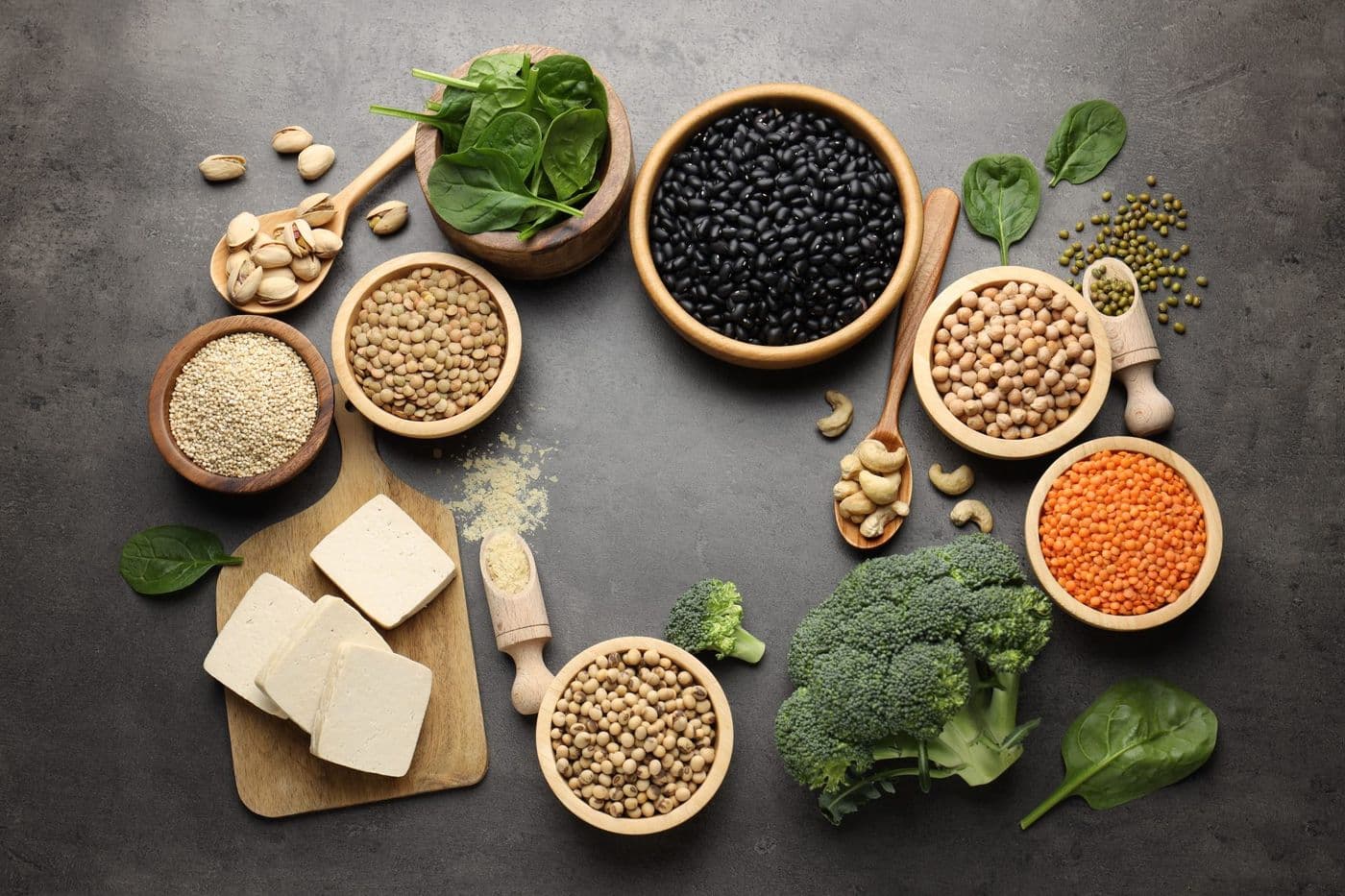
This does not mean every meal has to look like a diet plan. The idea is simple: build a better plate using normal protein rich vegetarian foods. Add dal, chana, rajma, sprouts, curd, paneer, tofu, soy, peanuts, nuts or seeds. These are foods most Indian homes already understand.
The perfect plate formula is easy to remember: half for greens and vegetables, one-fourth for grains, and one-fourth for protein. You do not need to measure it daily — just use it as a visual guide.
Why Protein Matters Every Day
Protein helps your body repair, recover and stay strong. It also supports skin, hair, muscles and normal body function. Every cell in the body contains protein, and the body uses protein to build and repair tissues — read more about protein basics.
For daily meals, the benefit is simple. Protein makes your plate more balanced. If breakfast is only poha, add peanuts, sprouts or curd. If lunch is only rice, add dal, rajma or chana. If dinner is only roti and sabji, add paneer, tofu, curd or a bowl of dal.
Small choices matter because your body carries them forward. What you do daily becomes the pattern your body gets used to.
What Happens When Protein Is Enough
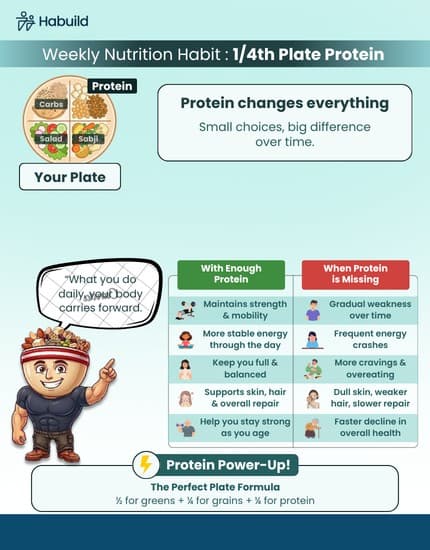
When you have protein rich vegetarian foods in your meal, the plate usually feels more satisfying. You may stay full for longer. Your energy may feel more stable because the meal is not only quick carbohydrates. Protein also supports repair after daily movement, exercise, walking, yoga or household work.
This does not mean protein is magic. It simply means your meal has better balance.
A good vegetarian plate can include:
- Dal with rice and salad
- Roti with chana and sabji
- Poha with peanuts and sprouts
- Besan chilla with curd
- Paneer or tofu bhurji with roti
- Rajma with rice and cucumber salad
Indian dietary guidance says vegetarians can meet protein needs with foods like pulses, beans, peas, milk and curd. That is useful because these foods are practical, affordable and easy to cook.
What Happens When Protein Is Missing
When protein is missing again and again, meals may feel filling at first but weak later. You may feel hungry soon after eating. Some people may notice frequent energy dips, more cravings or a habit of eating biscuits, namkeen or sweets between meals.
With enough protein, the body has support for strength and recovery. When protein is missing, the body has less support. Over time, small gaps can add up.
Do not panic if one meal has less protein — that is normal. The goal is not perfection. The goal is to make sure protein does not disappear from most meals.
The Perfect Plate Formula
The formula is simple:
- Half plate greens and vegetables
- One-fourth plate grains
- One-fourth plate protein
The green section can include sabji, salad, leafy vegetables, cucumber, carrot, beans, capsicum or seasonal vegetables. The grain section can include roti, rice, millet, poha, upma, dosa, idli or dalia. The protein rich vegetarian section can include dal, chana, rajma, sprouts, curd, paneer, tofu, soy, peanuts or seeds.
A similar plate idea is also shown in Indian nutrition education material, where balanced food group proportions are used to prevent nutrient gaps.
Easy Vegetarian Protein Options
Dal and Pulses
Dal is the easiest start. Moong dal, masoor dal, toor dal, urad dal and chana dal can all help. Keep dal slightly thick when possible — very watery dal may taste good, but it may not work as the main protein part of the plate.
Chana, Rajma and Lobia
Chana, rajma and lobia are filling and easy to use in Indian meals. They work well as curry, chaat, salad or a lunch bowl. Soak them well and cook them soft.
Curd, Paneer and Tofu
Curd is easy to add to lunch or dinner. Paneer and tofu can be used in bhurji, rolls, sabji or sandwiches. Tofu is a good option for people who prefer less dairy.
Nuts and Seeds
Nuts and seeds are useful add-ons. Add peanuts to poha, sesame seeds to chutney, flaxseed powder to atta or pumpkin seeds to salad. Keep portions small because nuts and seeds are energy-dense.
How to Start This Habit
Start with one meal a day. Do not try to change every plate overnight.
- Look at your usual meal.
- Find the grain or carb part.
- Add one protein food.
- Add vegetables or salad.
- Repeat the next day.
For example, if you eat poha, add peanuts and sprouts. If you eat roti sabji, add curd or dal. If you eat rice, add rajma, chana or dal. If you eat dosa, add sambar or paneer filling.
This is how the habit becomes easy. No counting. No stress. Just one protein choice on the plate.
Remember
Protein changes everything because it makes your meal stronger. It supports fullness, strength, recovery and steady energy. Your body does not need fancy food — it needs regular food arranged better.
Start with the perfect plate habit: half greens, one-fourth grains and one-fourth protein.
Related reads: Protein-rich vegetarian foods: 1/4th plate habit · Protein rich foods: how protein helps recovery
Protein makes a meal feel complete, but it does its best work when your body is also asking for it through movement — muscles repair and grow stronger with use, not just with what's on the plate. Adding protein without adding any activity only gets you halfway there. Habuild's free yoga challenge is a good way to give your body a reason to use that protein well.
Frequently Asked Questions
Related Articles
Iron rich foods need protein: 1/4th plate habit
Learn why iron-rich vegetarian foods work better when paired with protein and simple Indian meal habits.


How to Reduce Hand Fat with Yoga: Best Exercises, Steps & Tips
Learn ardha matsyendrasana with Habuild. Discover ardha matsyendrasana benefits for spinal health, improved digestion, and flexibility. Start your practice now!