Honey Benefits: Uses and Safety
Honey may soothe some coughs but is still added sugar. Learn honey benefits, safe portions, and what the evidence actually supports.
Key Takeaways
- Honey is mostly sugar and should be used in small amounts.
- It may briefly soothe an acute cough in people over age one.
- Never give honey to a baby younger than 12 months.
- Honey benefits does not cure infections, diabetes or allergies.
Honey benefits can sweeten food and may soothe some coughs, but it is still added sugar. Learn realistic benefits, safe use and who must avoid it.
What is honey?
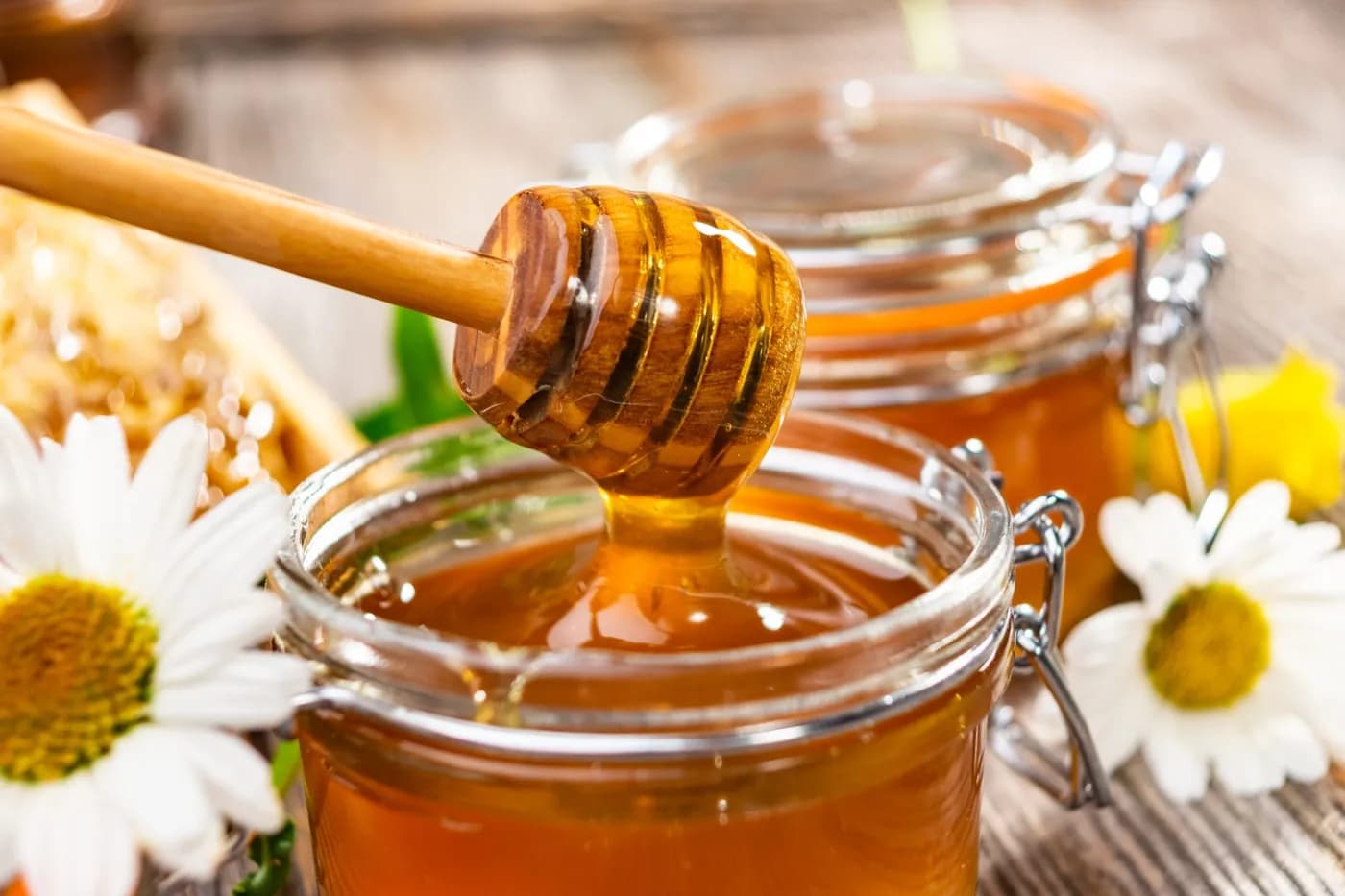
Honey is made by bees from flower nectar. Its colour, flavour and thickness vary with the plants, climate and processing.
Honey benefits contains glucose and fructose, water and small amounts of other compounds. These trace nutrients do not make a large serving healthy.
Is honey healthier than sugar?
Honey may contain small amounts of plant compounds, but it is still a concentrated sugar. A teaspoon of honey benefits and a teaspoon of sugar are not nutritionally identical, yet both add sugar and energy.
Replacing sugar with the same large amount of honey is not a major health upgrade. The useful habit is reducing how much sweetener you need.
Honey for cough
Honey benefits may soothe the throat and reduce some short-term cough symptoms in adults and children older than one. NICE describes limited evidence of some benefit for acute cough. (1)
It does not treat pneumonia, asthma or serious infection. Seek care for breathing trouble, chest pain, blue lips, dehydration, confusion, a very unwell child or a cough that persists.
Use a small spoonful in warm—not boiling—water. Very hot drinks can burn the mouth and may irritate the throat.
Why babies must not have honey
Honey can contain spores that cause infant botulism. Babies younger than 12 months do not have a mature enough gut to handle this risk.
The CDC says not to give honey benefits to babies under one year or add it to food, water, formula or a pacifier. Cooking does not make ordinary household use safe for infants. (2)
Honey and wound care
Medical-grade honey dressings are used in some clinical settings. They are sterilised and applied under professional guidance.
Kitchen honey benefits is not a sterile wound treatment. Do not put it on burns, deep wounds, surgical sites or infected skin. Seek proper wound care.
Honey and diabetes
Honey raises blood glucose. “Natural” does not mean free from carbohydrate.
People with diabetes may use a small planned amount, but it must be counted within the meal. Honey benefits is not a treatment for diabetes and should not replace medicine.
If you’re also curious about Apple Cider Vinegar Benefits & How to Use It or Ginger Benefits: Uses and Safety, both are worth a read.
Raw, organic and Manuka honey
Raw honey is less processed, but it can still contain botulism spores and is not safe for infants. Organic describes production standards, not a proven extra health effect.
Manuka honey benefits is marketed for antibacterial properties. Research on medical dressings does not mean expensive table honey prevents disease when eaten.
Simple ways to use less honey
- Measure with a teaspoon instead of pouring.
- Add fruit and cinnamon to oats before sweetening.
- Use plain curd and a small drizzle rather than sweetened curd.
- Reduce the amount in tea over several weeks.
- Share a sweet recipe or make a smaller batch.
- Do not give honey benefits drinks to sip all day.
Frequent sugar exposure can increase tooth-decay risk. Have sweet foods with meals, drink water and keep regular dental care.
For more everyday food habits, read Habuild’s Diet and Nutrition guide.
Safety and allergy
Honey is safe for most people over age one in food amounts. It can still cause allergy, especially in people sensitive to pollen or bee-related products.
Seek urgent help for breathing trouble, throat swelling, fainting or widespread hives.
Large amounts can cause stomach discomfort and add substantial sugar. Some honey products may be adulterated, so buy sealed packs from a reliable source.
People with diabetes, severe allergies or special medical diets should ask how honey benefits fits their plan.
Does heating honey make it toxic?
Normal cooking does not turn honey into a poison. Heating can change flavour and some heat-sensitive compounds, but the bigger practical issue is still added sugar.
Do not heat honey benefits in a closed container, and avoid very hot honey drinks because of burn risk.
A simple sweetness habit
For one week, measure every honey serving. Reduce your usual amount by one-quarter and notice whether the food still tastes pleasant.
Use fruit, spices or vanilla for flavour. The goal is not to ban sweetness but to make the amount intentional.
Frequently Asked Questions
Related Articles
Baking Soda Uses: Health Claims and Safety
Understand safe baking soda uses, why home-remedy doses can be dangerous, sodium concerns and when to contact Poison Control.


Aak (Madar): Ayurvedic Uses, Safety Notes & Properties
Explore Aak (Madar) in Ayurveda, including traditional uses, properties, preparation guidance, side effects and precautions.