
8 Indian Vegetarian Breakfast Recipes That Are Actually Nutritious
Most regional Indian kitchens already have breakfast dishes that balance carbohydrate, protein, and fibre well, cooked with a light hand on oil. See.
Key Takeaways
- Poha is light on protein alone – the peanuts and curd on the side matter more than they look.
- Keeping the vegetable-to-semolina ratio generous is what makes upma genuinely balanced.
- Besan chilla is protein-dense – roughly 20g protein per 100g of besan itself.
- Idli and vegetable dalia are among the gentlest options for sensitive digestion.
- Rotating between all eight avoids falling back on the same one or two dishes weekly.
Good Indian vegetarian breakfast recipes don’t need to be reinvented — most regional kitchens already have dishes that balance carbohydrate, protein and fibre well, provided they’re cooked with a light hand on oil and paired sensibly. This list rounds up eight familiar options, each with a quick note on why it works nutritionally and how to prepare it simply, so you can build a rotation instead of falling back on the same one or two dishes every week.
Indian Vegetarian Breakfast Recipes at a Glance
- Poha — light, quick-digesting, and easy to boost with peanuts and vegetables.
- Upma — semolina-based, customizable with vegetables and lentils for extra fibre.
- Besan chilla — a savoury gram flour pancake that’s naturally high in plant protein.
- Idli — steamed, fermented, and among the easiest breakfasts to digest.
- Moong dal cheela — a protein-dense pancake made from split moong lentils.
- Vegetable oats — a fibre-rich, adaptable base for whatever vegetables are on hand.
- Sprouts salad or chaat — raw or lightly cooked, high in protein and fibre with minimal cooking.
- Vegetable dalia (broken wheat) porridge — a whole-grain option that’s gentle on digestion.
1. Poha
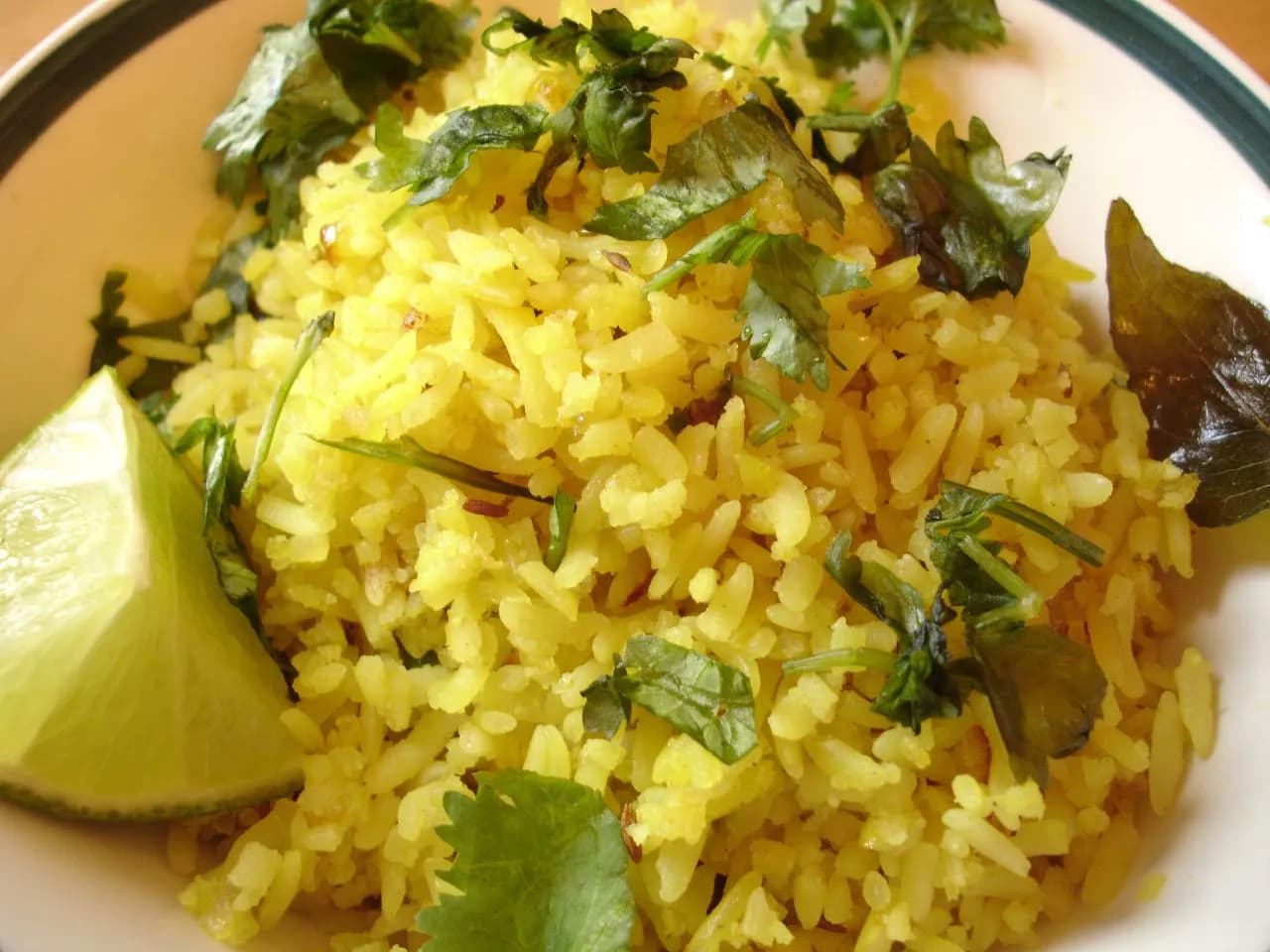
Flattened rice cooked with mustard seeds, curry leaves, onions, peanuts, and a squeeze of lemon makes poha one of the quickest Indian vegetarian breakfast recipes to prepare — usually under 20 minutes. On its own, poha is fairly light on protein, so the peanuts matter more than they look: they add healthy fats and a meaningful protein boost. Adding boiled peas or grated carrot increases the fibre and micronutrient content further, and a side of curd rounds out the meal with additional protein and probiotics.
2. Upma
Made from roasted semolina (rava) cooked with vegetables like carrots, beans, and peas, upma is a warm, filling breakfast that adapts easily to whatever produce is in the fridge. Using vegetable stock or adding a spoon of roasted chana dal while tempering increases both flavour and protein. Because semolina is a refined grain, keeping the vegetable-to-semolina ratio generous is what pushes this dish from “carb-heavy” to genuinely balanced. Upma is one of the more adaptable Indian vegetarian breakfast recipes, since it happily takes on whatever vegetables are in season.
3. Besan Chilla
This savoury pancake made from gram flour (besan), water, and chopped onions, tomatoes, and green chillies is one of the most protein-dense vegetarian breakfast options on this list — gram flour carries roughly 20g of protein per 100g. Cooked with minimal oil on a non-stick pan and served with mint or tomato chutney, besan chilla comes together in about 15 minutes and keeps you full well past mid-morning thanks to its combination of protein and fibre. It’s one of the more protein-forward Indian vegetarian breakfast recipes precisely because gram flour itself is so protein-dense.
Besan’s protein content is a good reminder that breakfast doesn’t have to be an afterthought on the protein front — High-Protein Vegetarian Foods rounds up other vegetarian sources worth working in beyond this list, and Healthy Breakfast Options covers the broader principles — protein, fibre, low sugar — that make any of these recipes actually work.
Photo: Darshandkt, CC BY-SA 4.0, via Wikimedia Commons
4. Idli
Steamed idlis, made from a fermented batter of rice and urad dal, are gentle on digestion and naturally low in fat since they’re cooked without oil. The fermentation process also improves the bioavailability of certain nutrients and adds beneficial bacteria, which is a quiet nutritional advantage over many other grain-based breakfasts. Paired with sambar — a lentil and vegetable stew — idli becomes a well-rounded meal with carbohydrate, plant protein, and vegetables all in one plate. Among Indian vegetarian breakfast recipes, idli stands out for being cooked entirely without oil.
5. Moong Dal Cheela
Made by grinding soaked split moong dal into a batter and cooking it like a pancake, moong dal cheela is one of the higher-protein Indian vegetarian breakfast recipes on this list, since lentils generally carry more protein gram for gram than most grains. It’s naturally gluten-free and easy to load with grated vegetables like spinach, carrot, or capsicum for added fibre. A light green chutney on the side keeps the meal simple without adding much fat.
6. Vegetable Oats
Savoury oats cooked with mixed vegetables, a light tempering of mustard seeds and curry leaves, and a dash of turmeric turns a fairly plain grain into a fibre-rich, filling breakfast. Oats are particularly good for sustained energy because of their beta-glucan fibre content, which slows digestion and helps steady blood sugar through the morning. Adding a spoon of roasted peanuts or a side of curd brings in the protein that oats alone don’t provide much of. It’s a good reminder that not all Indian vegetarian breakfast recipes need to start with rice or wheat.
7. Sprouts Salad or Chaat
Sprouted moong, chana, or a mix, tossed with chopped onion, tomato, cucumber, lemon juice, and a pinch of chaat masala, requires almost no cooking and is one of the higher-protein, higher-fibre choices on this list. Sprouting increases the digestibility of legumes and boosts certain vitamin levels compared to the unsprouted seed. This works well on busier mornings or as a lighter alternative alongside a heavier dish like paratha. Sprouts salad is proof that Indian vegetarian breakfast recipes don’t always need any cooking at all.
8. Vegetable Dalia Porridge
Broken wheat (dalia) cooked with vegetables and a light tempering makes a whole-grain porridge that’s higher in fibre than most refined-grain breakfasts. It’s easy on digestion, keeps well if you need to prepare in advance, and can be made sweet or savoury depending on preference. For extra protein, a side of curd or a handful of roasted chana works well. It’s one of the whole-grain Indian vegetarian breakfast recipes worth keeping in rotation alongside the more common poha and upma.
Frequently Asked Questions
Related Articles
Protein rich vegetarian foods: the perfect plate habit
Learn how protein rich vegetarian foods support energy, strength and fullness. Use the perfect plate habit with greens, grains and protein.

Protein-rich vegetarian foods: 1/4th plate habit
Explore protein, carbohydrates, healthy fats and meal planning for strength training, muscle building and recovery.

How to Get Enough Protein on a Vegetarian Diet
Learn how protein rich vegetarian foods support energy, strength and fullness. Use the perfect plate habit with greens, grains and protein.