
Is Pasta Good for Health? Types, Portions and Balanced Meal Ideas
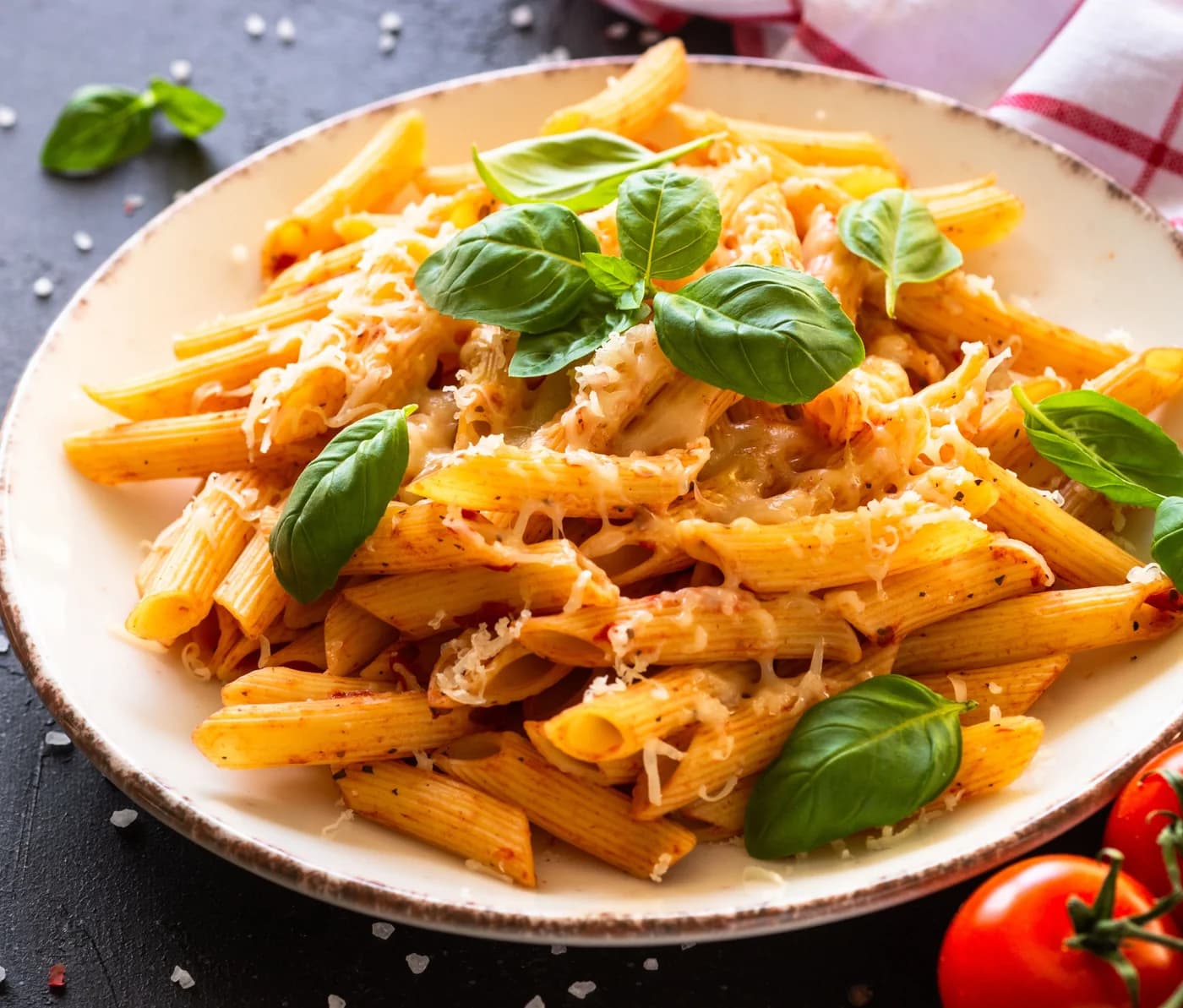
Pasta can fit a healthy diet. Its value depends on the type, portion, sauce and what you serve with it. Here is how to build a balanced bowl.

Key Takeaways
- Pasta is mainly carbohydrate; whole-wheat and legume pastas add fibre or protein.
- Compare labels per 100 g dry pasta; cooked pasta weighs more after absorbing water.
- Tomato and vegetable sauces are lighter than cream, cheese or processed-meat sauces.
- Add chickpeas, paneer, tofu or eggs plus vegetables to make the bowl more filling.
- Refrigerate cooked pasta within 2 hours and eat leftovers within 3 to 4 days.
Pasta can be part of a healthy diet. Its nutritional value depends on the type of pasta, the portion, the sauce and what you serve with it. Plain pasta is mainly carbohydrate with some protein, while whole-wheat and legume pastas usually add fibre or protein. A large creamy bowl and a vegetable-rich bowl with paneer or chickpeas are very different meals.
What is in pasta
Most dried pasta is made from durum wheat semolina. Regular pasta is a refined grain, so it has less fibre than whole-grain versions. The NHS describes starchy foods such as pasta, rice and bread as a good source of energy and advises choosing wholegrain varieties where you can for more fibre. WHO advises that carbohydrates should come mainly from whole grains, vegetables, fruit and pulses.
Comparing types
- Regular pasta: mostly refined wheat; mild taste and quick to cook.
- Whole-wheat pasta: more fibre and a nuttier texture.
- Chickpea or lentil pasta: usually more protein and fibre, though brands vary and it often costs more.
- Gluten-free pasta (rice, maize or millet): essential for coeliac disease, but not automatically higher in fibre or lower in calories.
Compare the nutrition panel per 100 g of dry product and read the ingredient list for the actual flour used. Our guide to whole grains vs polished grains explains why the grain type matters.
Dry and cooked portions are not the same
Pasta absorbs water as it cooks, so cooked pasta weighs much more than the same pasta dry. Nutrition values given per 100 g of dry pasta cannot be applied to 100 g of cooked pasta, so use the basis printed on the label. If you follow a meal plan, check whether its pasta portion means dry or cooked weight. There is no single right bowl size; base the portion on appetite, activity and the rest of the meal.
Build a balanced pasta bowl
Treat pasta as the carbohydrate part of the plate, then add:
- Vegetables: tomato, capsicum, mushroom, spinach, peas, broccoli or zucchini
- Protein: chickpeas, rajma, paneer, tofu, ; see our list of protein-rich vegetarian foods
- Flavour: garlic, herbs, chilli and a little oil
A bowl with pasta, vegetables and a clear protein source is usually more satisfying than a plain plate of pasta.
The sauce changes the meal
Tomato-based sauces with vegetables are quick and light. Cream, lots of cheese, butter and processed meats raise saturated fat and salt. Ready-made sauces can contain added sugar and salt, so check the label. A creamy pasta can still be an occasional meal; just notice the amount.
Pasta, blood glucose and weight
Pasta still provides carbohydrate, even when labelled high-protein. Portion, fibre and protein affect how filling the meal is and how blood glucose responds. People with diabetes can often include pasta in a suitable portion alongside vegetables and protein; follow your care team's advice, and see our Indian diabetic meal plan for how to structure meals. For weight management, total intake across the day matters more than avoiding one food.
Cooling cooked pasta may change some of its starch, but it does not remove the carbohydrate or calories, so it is not a free food.
Indian-style pasta ideas
- Pasta in a tomato-onion masala with peas and paneer
- Whole-wheat pasta with palak and garlic, topped with roasted chana
- Chickpea pasta tossed with roasted vegetables and a squeeze of lemon
- A pasta and rajma bowl with kachumber salad on the side
Use familiar spices, but keep oil and cheese moderate so it works as an everyday dish. When eating out, share a large portion or add a side salad.
Store and reheat leftovers safely
USDA food safety guidance advises refrigerating cooked leftovers within 2 hours and eating them within 3 to 4 days, or freezing them. The NHS also warns that bacterial spores can survive cooking in grains left standing at room temperature. Reheat leftovers until steaming hot throughout, and pack lunchbox pasta in an insulated container with an ice pack.
Editorial sources
Frequently Asked Questions
Related Articles
Carbohydrate-Rich Foods: Quality, Portions and Meal Balance
Carbohydrates are the body’s main readily available energy source, from fibre-rich whole grains and pulses to refined sweets.

Complex Carbohydrates: Starch, Fibre and Smarter Everyday Choices
What makes a carbohydrate complex, why refined starch differs from whole grains and pulses, and how to choose and portion them in Indian meals.
Whole grains vs polished grains: what to choose
Polishing strips grains of fibre and nutrients that whole grains keep intact. See what actually changes, and which to choose.
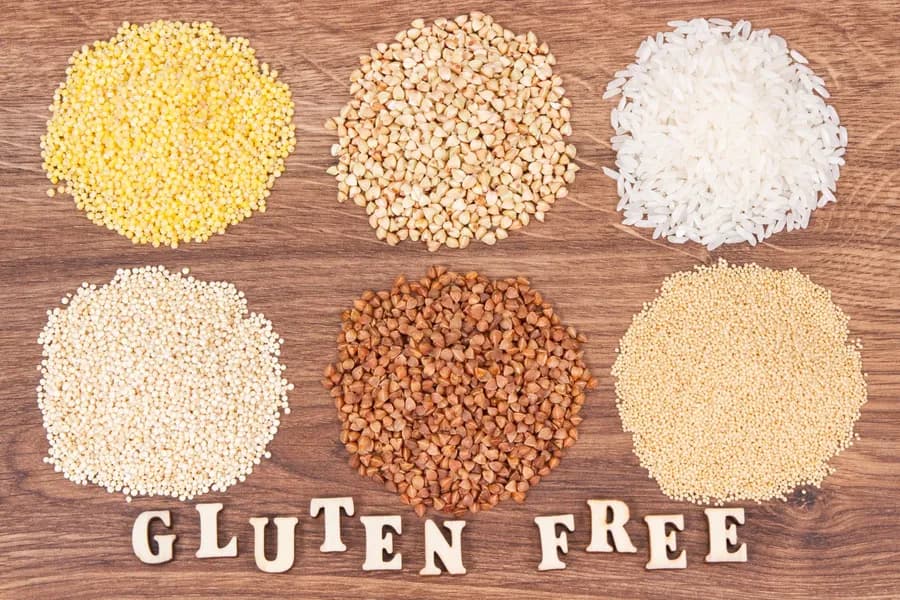
Gluten Free Foods: A Practical Guide for Celiac Disease and Sensitivity
Indian kitchens already have a long list of naturally gluten-free options — rice, millets, pulses, and more — that can form a complete diet without.
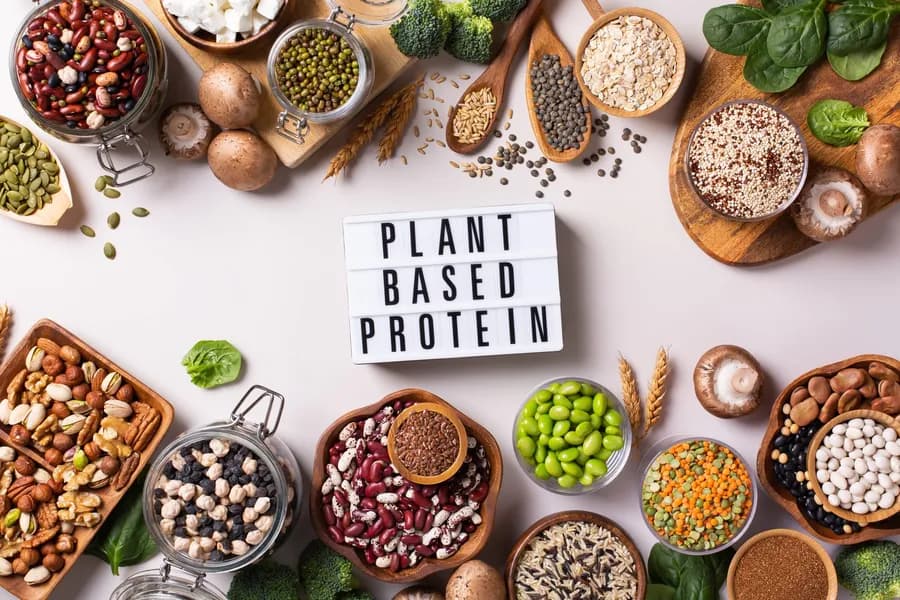
Protein-rich vegetarian foods: 1/4th plate habit
Explore protein, carbohydrates, healthy fats and meal planning for strength training, muscle building and recovery.