
Karela Juice: Blood Sugar Claims and a More Practical Choice
Karela can be enjoyed as a vegetable. Juice research does not establish a universal daily remedy or a replacement for diabetes care.

Key Takeaways
- Karela juice is not a dependable diabetes treatment.
- A lower glucose reading is not always better.
- Cooked karela can be the easier option.
- Stop if it causes digestive discomfort.
Karela, or bitter gourd, is a familiar vegetable in many Indian kitchens. Its juice is often promoted as a daily treatment for diabetes or a way to cleanse the blood. Some research has explored bitter-melon preparations and glucose, but the evidence does not establish a dependable juice treatment or a safe daily dose for everyone. You can include karela as food without turning a bitter drink into a morning obligation.
The vegetable and the juice are different
Cooked karela is part of a meal, usually eaten with other foods. Juice can be made from a larger amount and swallowed quickly, especially when the habit is described as medicinal.
Straining also removes some of the material that would remain when the vegetable is eaten. Extracts and capsules are more different again, with exposure that cannot be inferred from an ordinary serving.
This distinction matters when reading a study. A result for a particular preparation does not tell you how much homemade juice will reproduce it, or whether a shop-bought blend has the same effect. The common name alone does not make all these products equivalent.
What does blood-sugar research show?
Small studies have reported possible glucose-lowering effects from some bitter-melon preparations, but the evidence is inconsistent and often of limited quality. Recipes, doses and study methods differ.
That leaves an important gap between a possible effect and a reliable treatment. There is no established household juice formula that can replace prescribed diabetes care.
If you have diabetes, focus on the results that guide your plan: glucose readings, longer-term measures and how you feel. Do not reduce insulin or another medicine because someone says the bitterness proves the juice is powerful. A strong taste is not a measure of a predictable treatment effect.
A lower reading is not always a better outcome
Combining a glucose-lowering product with insulin or certain diabetes medicines can increase the risk of low glucose. Skipping breakfast after taking a bitter remedy can make the situation harder to manage.
Shaking, sweating, sudden hunger, confusion or unusual weakness may need the response in your low-glucose plan. Do not dismiss them as detoxification or celebrate them as proof that the drink is working.
If glucose is repeatedly outside your target, review the whole plan rather than repeatedly changing the amount of juice. Medicines, meals, activity and illness can all affect the pattern. A homemade drink adds another variable without a dependable dose.
Blood cleansing is not a clear medical benefit
The phrase clean blood sounds appealing but does not identify a useful outcome. Karela juice has not been established as a general treatment for acne, infections, liver problems or fatigue under that description.
Those concerns have different causes. A person with persistent tiredness may need attention to sleep, food intake, anaemia or another condition; someone with jaundice needs a different assessment.
A food can be worthwhile without curing those problems. Treating every symptom with the same morning drink can delay useful care and leave you enduring an unpleasant routine without knowing what it is meant to change.
Can it help with weight loss?
Karela juice does not specifically burn belly fat. A plain unsweetened vegetable drink may contain relatively little energy, but low calories do not establish a meaningful fat-loss effect.
If it replaces a sugary beverage, the reduction in sugar and energy comes from that swap. You could make the same kind of change without choosing karela.
Do not use the juice to replace a substantial meal. A breakfast or lunch that supplies adequate food is more useful than a small drink followed by several hungry hours. Weight management works better when the plan remains nourishing and sustainable rather than relying on bitterness to suppress eating.
Cooked karela can be the easier option
If you enjoy karela, serve it as a vegetable alongside a protein food and a staple. It can sit with dal and roti or another familiar combination.
Slice it thinly and cook with onion, tomato or spices according to preference. Some people reduce bitterness by salting and draining before cooking; remember to account for added salt and rinse or adjust the recipe as needed.
The rest of the dish matters too. Deep-frying or adding a large amount of oil changes its energy, while a modestly cooked portion can fit an ordinary meal. You do not need to remove all bitterness or maximise it for a health effect.
Digestive discomfort is a reason to stop
Larger amounts of bitter melon, juice or extracts can cause abdominal pain, diarrhoea or other adverse effects. Increasing the amount because a small serving did not produce a noticeable result is not a sensible strategy.
Persistent vomiting, severe pain or marked weakness needs assessment. Do not keep drinking through symptoms because an online routine describes them as a cleansing phase.
Avoid casual medicinal use during pregnancy. Children should not receive concentrated juice or seed preparations as a home treatment. The safety questions are different from using a familiar vegetable in an ordinary adult meal, so keep those exposures separate.
If you still want it as a drink
There is no established daily therapeutic serving to recommend. You do not need to start a juice habit to obtain the vegetable's place in a varied diet.
If you choose a food preparation, use sound produce, clean equipment and safe water, and consume it promptly rather than leaving raw juice warm for hours. Avoid concentrated seed preparations and do not add several other remedies in an attempt to make the drink stronger.
The more useful decision may simply be to eat karela occasionally when you enjoy it. Diabetes care, body weight and skin health do not need to depend on whether you can tolerate a bitter glass before breakfast.
Editorial sources
Frequently Asked Questions
Related Articles
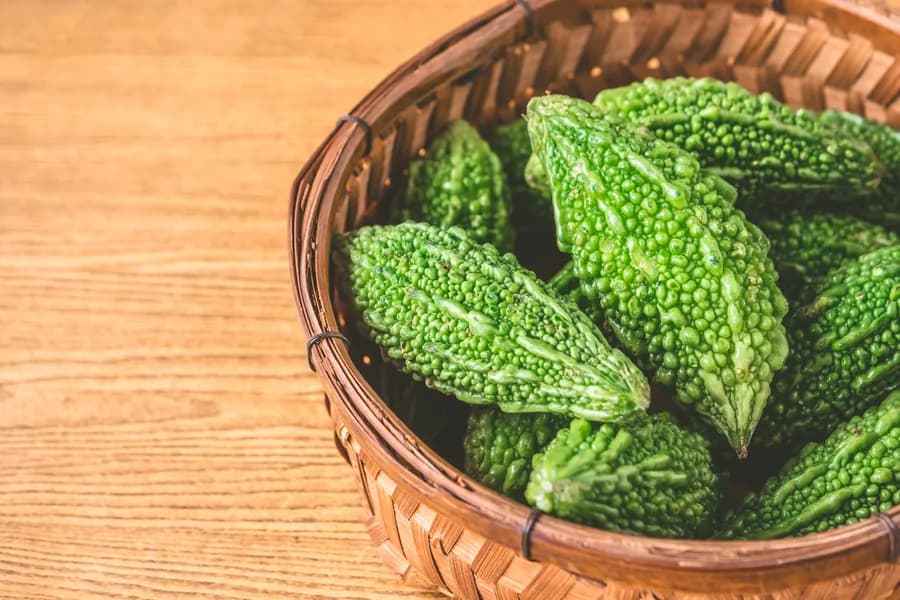
Bitter Gourd Benefits: Nutrition and Diabetes Safety
Bitter gourd is a low-energy vegetable that provides fibre, vitamin C and other plant compounds.

How to Reduce Blood Sugar Level Immediately: 7 Fast, Natural Ways That Actually Work
Some interventions bring down an elevated reading within 10-30 minutes; others compound over the following hours. See 7 fast, natural ways that actually work.


Diabetic Meal Plan Indian Style: A Full-Day Guide to Balanced Eating
A diabetic meal plan doesn’t mean giving up dal, roti, or rice — it means getting portions, timing, and combinations right. See a full day of eating.

How to Reduce Diabetes: 7 Lifestyle Changes That Lower Blood Sugar and Improve Health
Type 2 diabetes is the only major chronic disease where lifestyle change can sometimes produce remission — normal blood sugar without medication. See the