
Bitter Gourd Benefits: Nutrition and Diabetes Safety
Bitter gourd is a low-energy vegetable that provides fibre, vitamin C and other plant compounds.
Key Takeaways
- Bitter gourd is a low-energy vegetable that provides fibre, vitamin C and other plant compounds.
- Small studies of juices and extracts have produced inconsistent results.
- Juice and extracts are concentrated and may cause low blood glucose with diabetes medicines.
- People with G6PD deficiency should avoid the seeds; pregnancy calls for avoiding medicinal doses.
Bitter gourd is a low-energy vegetable that provides fibre, vitamin C and other plant compounds. It can add variety to meals but is not a substitute for diabetes medicine. This guide examines bitter gourd with practical context and without exaggerated promises.
What bitter gourd provides
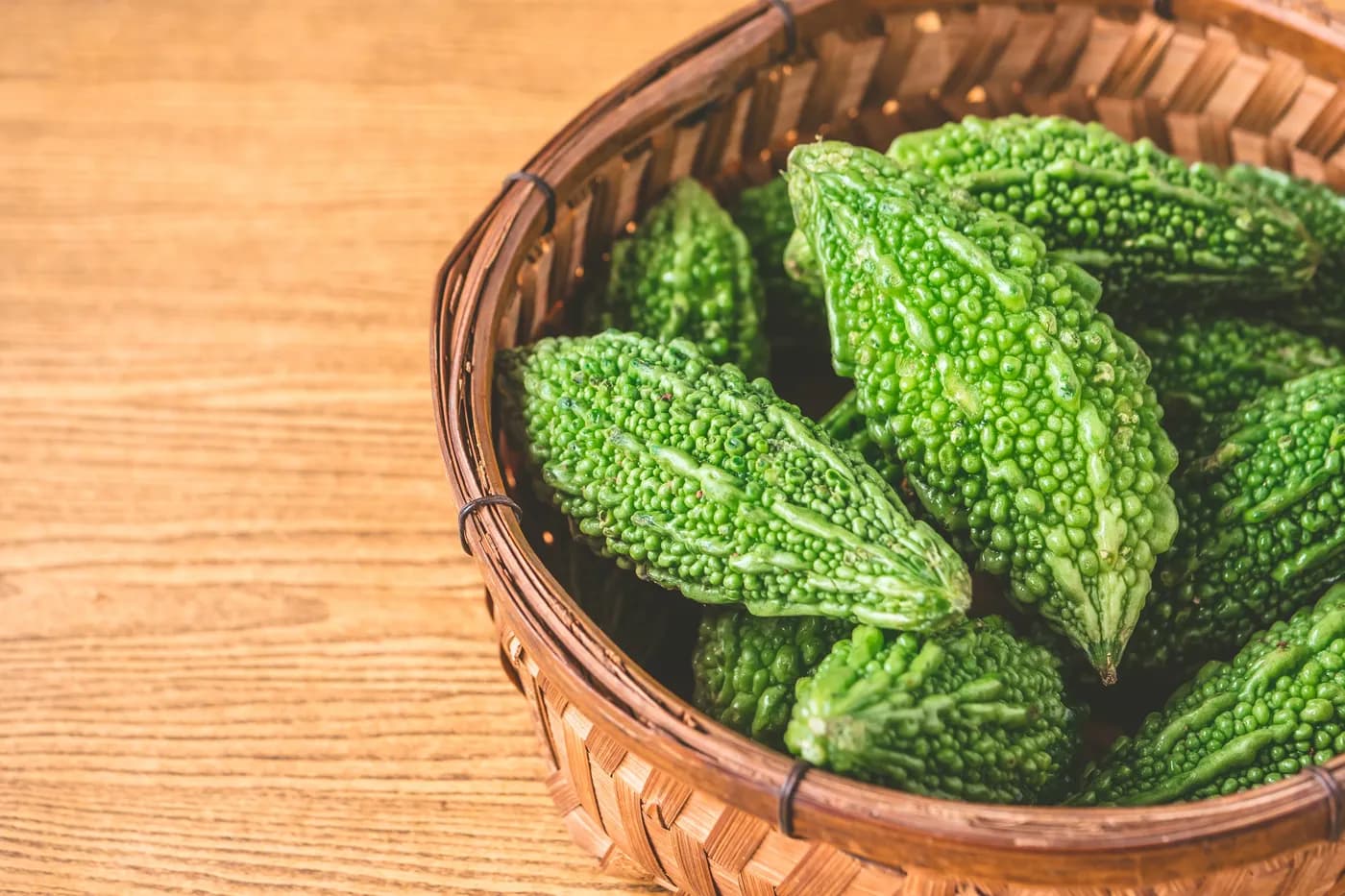
Bitter gourd, known as karela in most Indian homes, is mostly water and is low in energy. It contributes dietary fibre, vitamin C, folate and some potassium, along with bitter plant compounds that researchers have studied for possible effects on glucose handling. Like other non-starchy vegetables, it adds bulk, texture and flavour to a meal without adding much fat or sugar, provided it is not deep-fried.
How strong is the evidence for bitter gourd?
Small studies of juices and extracts have produced inconsistent results. Cooking portions cannot be assumed to have the same effects as concentrated products. Most trials have been short, have enrolled small numbers of adults with type 2 diabetes and have used capsules, dried powder or juice rather than a cooked sabzi. Some reported modest changes in blood glucose and others found little difference. Because the preparations and amounts varied so widely, the results cannot be combined into a reliable recommendation.
Nutrition without the diabetes cure claim
Karela contributes fibre, vitamin C and other plant compounds, but bitter gourd benefits should not be presented as a replacement for diabetes medicine. Human studies use different extracts, juices and doses, and results are not consistent enough to create a household treatment dose. The carbohydrate, protein and total portion of the complete meal still influence blood glucose. People with diabetes should monitor according to their care plan and discuss concentrated products with their clinician.
Making bitter gourd part of a balanced plate
- Cook with dal, onion and spices.
- Use a regular vegetable portion rather than concentrated juice.
- Monitor carbohydrate intake across the full meal.
- Tell your clinician about supplements if you use glucose-lowering medicine.
Karela is commonly served as a dry sabzi with roti or as a side dish with dal and rice. Treat it as one of the vegetables on the plate rather than as a remedy. A katori of cooked karela alongside a protein source and a sensible amount of rice or roti is a practical pattern. Stuffed karela is often shallow-fried or deep-fried, and the oil used can matter more to the meal than the vegetable itself, so pan-roasting or baking is a lighter option.
Making bitter gourd easier to eat
Bitter gourd, or karela, can be sliced, salted briefly and rinsed to soften some bitterness, although this step also adds sodium unless it is rinsed well. It can be stir-fried with onion, cooked with dal, stuffed with spices or added to a mixed vegetable dish. There is no need to force large portions or drink concentrated juice. A preparation you genuinely enjoy is more likely to remain part of a varied diet.
Choose firm, bright green gourds without yellow or orange patches; as karela ripens it softens and the seeds turn red. Lightly scraping the ridged skin and removing large, mature seeds can improve the texture. Cooking it with onion, tomato, a little tamarind or besan mellows the bitterness, and a squeeze of lemon at the end adds freshness.
Juice is not a stronger version of the vegetable
Karela juice is often marketed as more effective because it is concentrated and easy to consume quickly. That concentration can also make the amount harder to compare with a cooked serving and can increase the chance of digestive symptoms or low blood glucose. Commercial juices may contain other fruits, salt or sweeteners, so read the label. Home preparations vary with the number and size of gourds and should not be treated like a measured medicine. If you enjoy bitter gourd, cooking it as part of a meal provides fibre and makes the portion visible. Bitter gourd benefits do not become more reliable when the taste is harsher or the drink is taken on an empty stomach. Children should not be given concentrated products as a preventive tonic. Anyone using insulin or glucose-lowering tablets should discuss regular juice or supplement use because monitoring or treatment may need attention. Bitter gourd benefits can be described honestly as vegetable variety and useful nutrients; promises to reverse diabetes, cleanse blood or remove fat go beyond the evidence.
Who needs extra caution with bitter gourd
Large amounts or concentrated preparations may cause abdominal pain, diarrhoea or low blood glucose, particularly when combined with diabetes medicines. Pregnancy is another reason to avoid medicinal quantities unless a qualified clinician advises otherwise. Keep supplements away from children and do not use home-made extracts as a treatment for fever, infection or cancer. A food portion and a concentrated capsule are not equivalent exposures.
The seeds contain a compound that has been linked to haemolytic reactions in people with G6PD deficiency, so anyone with this condition should avoid eating the seeds and ask their doctor before using bitter gourd products. People preparing for surgery should also mention any herbal or supplement use to their care team.
The useful place for karela
The most realistic bitter gourd benefits come from adding another vegetable to meals and broadening flavour variety. Karela does not detox the liver or guarantee weight loss. Choose a modest cooked portion, balance it with dal or another protein and stop if it repeatedly causes symptoms. Cultural familiarity and taste are good reasons to eat it; fear of diabetes or pressure to consume bitter juice are not.
Editorial sources
Frequently Asked Questions
Related Articles
Asparagus Benefits: Nutrition, Portions and Safety
Asparagus is a green or white spear vegetable that provides fibre, folate, vitamin K and other micronutrients with relatively little energy.


Vegetarian protein: needs, myths and meal planning
Vegetarian meals can provide enough protein. Learn practical needs, simple Indian food sources, common myths and an easy meal-planning method.

High-Fibre Foods: Simple Indian Meal Ideas
Find high-fibre Indian foods, easy meal ideas, gradual intake tips and practical advice for constipation and daily health.