
Ketosis Meaning: What Happens When the Body Uses Ketones
Ketosis describes how the body uses fuel. Learn what it means without confusing a diet trend with a guaranteed health benefit.
Key Takeaways
- Ketosis means the body is making more ketones for fuel.
- Ketosis does not guarantee body-fat loss.
- Nutritional ketosis is different from ketoacidosis.
- Diabetes medicines change the decision.
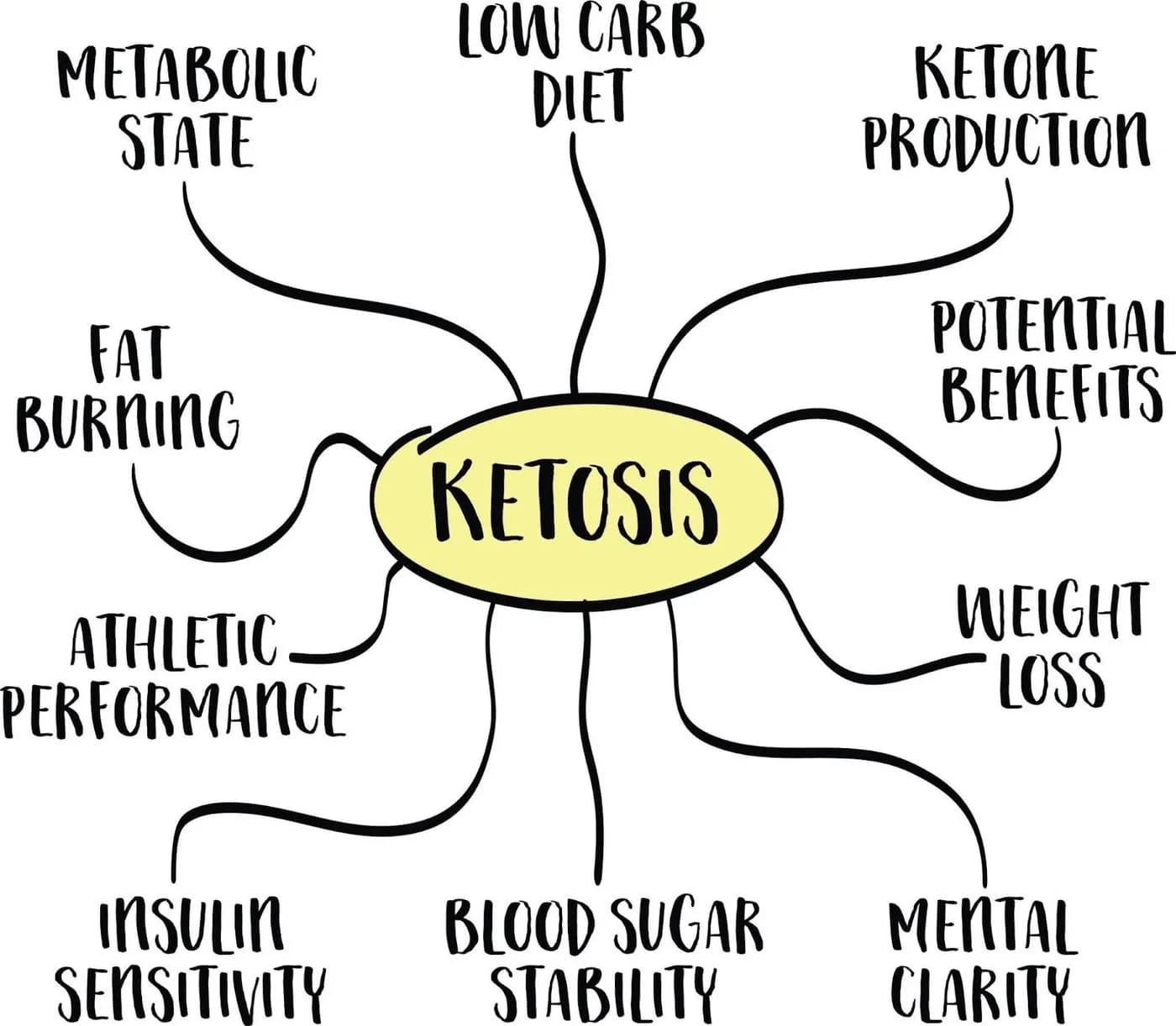
Ketosis means the body is producing more ketones to use as fuel. It can happen when carbohydrate availability is low, including during fasting or a very low-carbohydrate diet. It is a metabolic state, not a food, a guaranteed fat-loss result or a sign that your body has become cleaner. Understanding that distinction makes the term much easier to use sensibly.
You do not need to enter ketosis to eat well or lose weight. If you have diabetes, the difference between nutritional ketosis and diabetic ketoacidosis is especially important.
What are ketones?
The body normally uses a mixture of fuels. When less carbohydrate is available, the liver can convert fat into ketones, which several tissues can use for energy.
This is part of the body's normal ability to adapt to changes in food availability. Ketones are not toxins that must always be absent. Equally, a higher ketone reading is not automatically healthier.
The context matters: whether you are eating enough, whether insulin is available, whether you are ill and whether medicines affect the situation. The same word can appear in a diet discussion and an emergency-care discussion without describing the same condition.
What does a ketogenic diet try to do?
A ketogenic diet restricts carbohydrate enough to encourage ketone production. It is generally much more restrictive than simply reducing sugary drinks or eating a smaller portion of rice.
The details differ between plans, but staples, fruit, pulses and some dairy foods can become difficult to fit in their usual amounts. A vegetarian version may rely heavily on tofu, paneer, nuts, seeds and selected vegetables.
That does not make every such meal unhealthy. It does mean that the practical demands are greater than a social-media list of foods to avoid suggests. Fibre, food variety, fat quality and adequate protein still need attention.
Does ketosis mean you are losing body fat?
Not necessarily. The body may be using fat from food as well as stored fat. A ketone reading cannot tell you how much body fat has been lost.
Early weight loss after a major carbohydrate reduction can also include water associated with stored carbohydrate. A rapid change on the scale is therefore not all fat loss.
Over time, weight change depends on overall intake, activity and whether the eating pattern is sustainable. You can lose fat without ketosis, and you can be in ketosis without achieving the result you wanted. Chasing a higher reading can distract from the outcome that actually matters.
Symptoms do not reliably confirm it

People may describe changes in breath, appetite or energy after starting a low-carbohydrate diet. Headache, constipation and fatigue can also occur. These experiences are not a dependable diagnosis of ketosis.
Feeling unwell is not proof that a plan is effective. Severe weakness, repeated vomiting or confusion should never be celebrated as a successful adjustment.
Blood or urine tests can detect ketones, but their interpretation depends on the situation. Routine testing is not needed for someone simply trying to eat more balanced meals. People with diabetes should use the testing and action plan established for their care.
Nutritional ketosis and ketoacidosis are different
In nutritional ketosis, the body still has enough insulin to regulate fuel use, and the blood does not become dangerously acidic. Diabetic ketoacidosis, or DKA, occurs when a serious lack of effective insulin allows ketones to build up alongside dangerous metabolic changes.
DKA can be life-threatening and requires urgent hospital treatment. It is most associated with type 1 diabetes but can occur in other circumstances too.
Warning signs include marked thirst, frequent urination, abdominal pain, vomiting, deep breathing, fruity-smelling breath and unusual sleepiness or confusion. Seek emergency care for a concerning combination of these symptoms, including when diabetes has not yet been diagnosed. Do not assume they are merely part of a new diet.
Diabetes medicines change the decision
People using insulin must not stop it to encourage ketosis. Missing insulin can cause a dangerous emergency, even if little food is being eaten.
SGLT2 medicines, including drugs whose names end in gliflozin, can increase ketoacidosis risk during very low-carbohydrate eating or fasting. In this setting, glucose may not be as high as someone expects during DKA.
Other diabetes medicines can cause low glucose when carbohydrate intake changes abruptly. A major diet change therefore needs a medication plan, rather than guesswork. This is one situation where supervision has a clear purpose: avoiding both low glucose and ketoacidosis.
You have less restrictive choices
If your goal is fat loss or steadier eating, start with changes that leave familiar meals intact. Replace a frequent sugary drink, add a substantial protein food to breakfast or adjust a large staple portion while keeping vegetables and pulses.
For example, you might keep roti at lunch and make the dal and sabzi more substantial. You do not need to remove all grains and fruit to improve that meal.
Choose a change you can manage during work, travel and family meals. If a plan repeatedly leaves you constipated, anxious about food or unable to eat socially, those costs belong in the decision alongside any weight change.
What about ketone drinks and powders?
Products containing ketones can raise a reading without showing that you have lost body fat. A higher number after a supplement is not evidence that the product improves long-term health.
They are not a necessary purchase for an ordinary eating or activity routine. Nor do they remove the risks of an unsuitable diet or a poorly managed diabetes treatment plan.
Ketosis is best understood as a description of fuel use. Whether a particular diet is helpful depends on its results, nutritional adequacy, safety and fit with your life. The metabolic label alone cannot answer those questions.
Editorial sources
Frequently Asked Questions
Related Articles
Keto Diet Safety: Uses, Risks and Practical Limits
A ketogenic diet contains very little carbohydrate, enough protein and a high proportion of fat. This shifts the body towards producing ketones for fuel.


Vegetarian keto meals: practical ideas and safety
A vegetarian keto diet is highly restrictive. Learn what it includes, simple meal ideas, common nutrient gaps and when a gentler plan may work better.

Keto Macaroni Recipe: Low-Carb Mac and Cheese You Can Actually Make
This keto macaroni recipe swaps wheat pasta for shirataki noodles or paneer, so you get creamy mac and cheese without the carb load. Full ingredients.
Indian Keto Diet Meal Plan: A Sample Day and Food List
An Indian keto meal plan swaps rice and roti for healthy fat, moderate protein, and under 50g of carbs a day. See the macros, a sample day, and what to.