
Vegetarian keto meals: practical ideas and safety
A vegetarian keto diet is highly restrictive. Learn what it includes, simple meal ideas, common nutrient gaps and when a gentler plan may work better.
Key Takeaways
- Vegetarian keto removes many normal sources of fibre and nutrients.
- Protein needs planning when pulses and grains are greatly limited.
- Keto can change blood sugar, medicines, digestion and cholesterol.
- A balanced lower-carb diet may be easier to follow than strict keto.
A vegetarian keto diet is highly restrictive. Learn what it includes, simple meal ideas, common nutrient gaps and when a gentler low-carb plan may work better.
Vegetarian keto meals at a glance
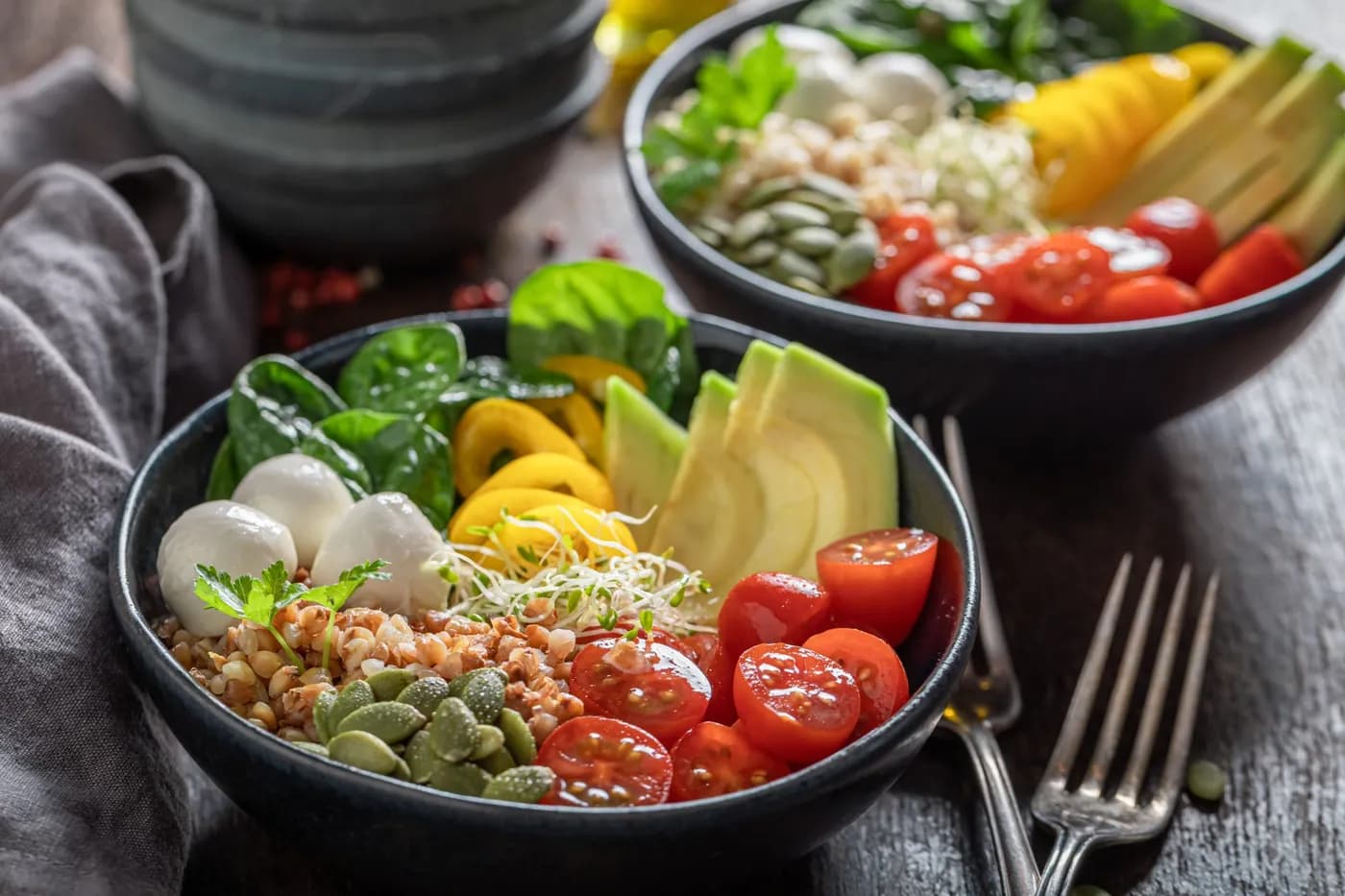
- Vegetarian keto meals rely on paneer, tofu, nuts, seeds and low-carb vegetables instead of meat and fish.
- Vegetarian keto meals need extra planning because two common keto protein sources, meat and fish, are off the table.
- Vegetarian keto meals can still hit high-fat, moderate-protein, low-carb targets with the right food swaps.
- Vegetarian keto meals often lean on eggs and dairy if you eat them.
- Vegetarian keto meals without eggs or dairy are possible but need closer attention to protein.
- Vegetarian keto meals should still include non-starchy vegetables for fibre and micronutrients.
- Vegetarian keto meals are not automatically heart-healthy just because they are low-carb.
- Vegetarian keto meals work best when planned a few days ahead, not decided meal by meal.
- Vegetarian keto meals may need a supplement check with a dietitian for B12, iron or omega-3.
- Vegetarian keto meals are not required to be strict forever to have value.
- Vegetarian keto meals should be reviewed with a doctor if you have any medical condition.
- Vegetarian keto meals can be adjusted in carb level rather than followed as one fixed rule.
- Vegetarian keto meals are worth reviewing every few weeks to keep them enjoyable, not just compliant.
What is a ketogenic diet?
A ketogenic, or keto, diet is very low in carbohydrate, high in fat and moderate in protein. The aim is to make the body produce ketones and use more fat for energy.
Strict keto often limits grains, most pulses, starchy vegetables, many fruits, sweets and sugar. A vegetarian version also removes meat and fish, so the list of available foods becomes smaller.
“Low carb” and “keto” are not the same. A lower-carb meal can still include dal, fruit or a small portion of whole grain. Keto usually limits these foods enough to maintain nutritional ketosis.
What does research say?
An umbrella review of randomized-trial meta-analyses found strong evidence for lower triglycerides and fewer seizures in specific medical settings. It also found evidence of higher LDL cholesterol, along with moderate evidence for short-term weight and HbA1c changes. (1)
Results vary by person, diet quality and health condition. Many studies are short, and a clinical ketogenic diet for epilepsy is different from an online weight-loss menu.
A 2025 review of adults with overweight or obesity found that ketogenic and low-carbohydrate diets can reduce weight and some body-composition measures. It did not show that keto is the only or best way to do this. (2)
Can vegetarian keto provide enough protein?
It can, but options are narrower. Paneer, tofu, tempeh, eggs, Greek-style curd, unsweetened soy foods, nuts and seeds can help.
Pulses are valuable vegetarian foods, but strict keto plans may limit them because they contain carbohydrate. Removing both pulses and grains can make it harder to get fibre, iron, folate and a varied gut-friendly diet.
Do not build every meal around cheese, butter and coconut oil. That pattern can be low in fibre and high in saturated fat.
Possible nutrient gaps
Restrictive ketogenic diets may provide too little fibre, thiamine, folate, vitamin C, calcium, magnesium, potassium and other nutrients if they are poorly planned. A review of restrictive diets highlights the need to watch for deficiencies, especially in children. (3)
This connects well with Daily calorie needs and High Protein Vegetarian Foods if you want the fuller picture.
Vegetarians also need reliable vitamin B12, iron, zinc, iodine, vitamin D and omega-3 sources. A multivitamin cannot fully replace vegetables, fruit, pulses and whole grains.
Simple vegetarian keto meal ideas
These ideas use no meat or fish. Exact carbohydrate needs differ, so speak with a dietitian if you need strict ketosis.
Breakfast ideas
- Paneer bhurji with spinach and mushrooms.
- Tofu scramble with capsicum and coriander.
- Plain thick curd with chia, walnuts and a few berries.
- Egg omelette with vegetables, if you eat eggs.
Lunch and dinner ideas
- Palak tofu with a cabbage salad.
- Paneer tikka with cauliflower and mint curd.
- Mixed vegetable stir-fry with tofu and peanuts.
- Courgette or bottle-gourd curry with paneer.
- Cauliflower “rice” with a soy or tofu curry.
- A large salad with tofu, seeds, olives and curd dressing.
Snack ideas
- A small handful of nuts.
- Cucumber with hung-curd dip.
- Roasted paneer or tofu cubes.
- Olives with a few seeds.
- Plain unsweetened curd.
Use plenty of non-starchy vegetables. Measure oils rather than pouring freely; keto food can still provide more energy than you need.
How to make the plan safer
- Get medical advice before starting, especially if you have diabetes or take medicine.
- Choose mostly unsaturated fats from nuts, seeds, groundnut, mustard or olive oil.
- Include a protein source at each meal.
- Eat different low-carbohydrate vegetables through the week.
- Plan fibre from vegetables, chia, flax, nuts and seeds.
- Use a reliable B12 source and check other nutrient needs.
- Drink to thirst and do not copy extreme salt advice online.
- Arrange follow-up blood tests if a clinician recommends them.
Constipation, headache, cramps, tiredness and bad breath can occur early. Ongoing vomiting, severe weakness, confusion, fainting or dehydration needs medical help.
Keto and cholesterol
Some people see lower triglycerides, while others see a large rise in LDL cholesterol. The 2023 umbrella review found high-quality evidence for increased LDL in some ketogenic trials. (1)
Do not assume that weight loss makes every blood marker safe. If you continue keto, ask whether a lipid profile and other checks are appropriate.
A gentler lower-carb option
Many people do not need ketosis. Start by reducing sugary drinks, sweets and large portions of refined grains. Keep vegetables, protein, whole fruit and a practical amount of dal or beans.
A balanced plate might include half vegetables, one-quarter protein and one-quarter whole grain or another carbohydrate. This offers more variety and may be easier to sustain.
Try it for one week: add protein to breakfast, replace one sweet drink with water and make dinner vegetables more visible. Review hunger, energy, digestion and enjoyment.
For a flexible approach, read Habuild’s Diet and Nutrition guide.
Who should avoid keto without medical care?
Do not start a ketogenic diet on your own if you are pregnant, breastfeeding, under 18, underweight, frail, have an eating disorder, or have serious kidney, liver, pancreatic or gallbladder disease.
People with diabetes who use insulin, sulfonylureas or SGLT2 medicines need medical supervision. Keto can change glucose quickly, and SGLT2 medicines carry a risk of ketoacidosis even when glucose is not very high.
A recent clinical review lists several conditions and medicine interactions that require caution. (4)
Frequently Asked Questions
Related Articles
Protein rich vegetarian foods: the perfect plate habit
Learn how protein rich vegetarian foods support energy, strength and fullness. Use the perfect plate habit with greens, grains and protein.

Protein-rich vegetarian foods: 1/4th plate habit
Explore protein, carbohydrates, healthy fats and meal planning for strength training, muscle building and recovery.

How to Get Enough Protein on a Vegetarian Diet
Learn how protein rich vegetarian foods support energy, strength and fullness. Use the perfect plate habit with greens, grains and protein.