
L-Arginine: Benefits, Vegetarian Food Sources and Side Effects
What L-arginine does, vegetarian food sources, what research shows for exercise and blood pressure, side effects and who should avoid it.

Key Takeaways
- L-arginine is an amino acid used to build protein and make nitric oxide; the body makes it too.
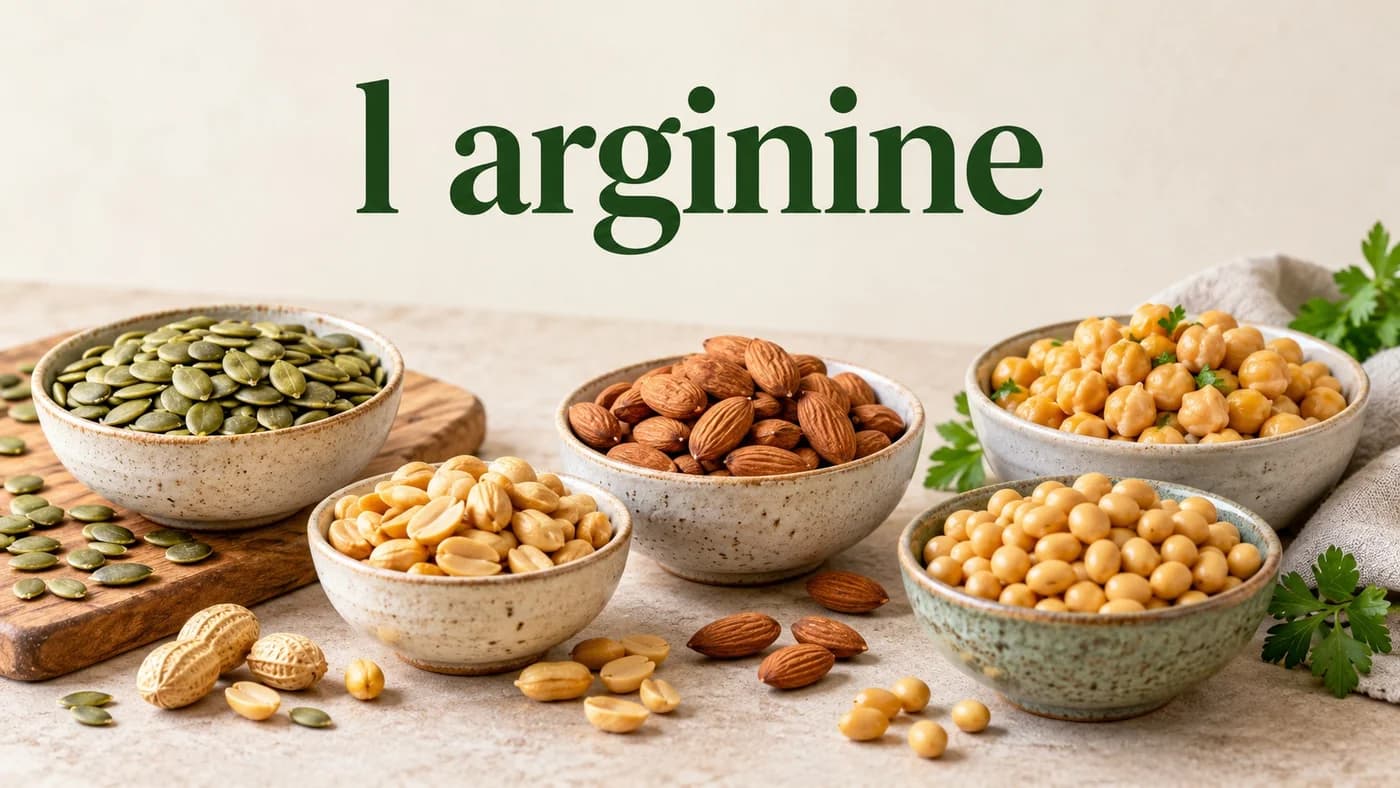
- Chana, soy, peanuts, pumpkin seeds and dairy supply arginine; most diets need no supplement.
- NIH ODS finds 2 to 20 g a day has little to no effect on exercise performance.
- Trials show a modest blood pressure drop, which also raises interaction risk with BP medicines.
- Do not self-prescribe after a heart attack or with nitrates or sildenafil-type medicines.
L-arginine is an amino acid your body uses to build proteins and to make nitric oxide, a signalling molecule that helps blood vessels relax. Healthy adults make some arginine themselves and get more from everyday protein foods. Supplements are sold for workouts, blood pressure and sexual health, but the evidence differs a lot by use, and the safety cautions are real.
What L-arginine does in the body
Arginine is one of about 20 amino acids that link together to form proteins. Some of it is converted to nitric oxide, and it is also a raw material for creatine. The NIH Office of Dietary Supplements notes that the body makes arginine from citrulline, mainly in the kidneys, and that typical intake from food is around 4 to 5 g a day. To see how arginine fits with the other building blocks of protein, read our guide to amino acids.
Vegetarian food sources of arginine
Many familiar Indian foods supply arginine along with fibre, minerals and other amino acids:
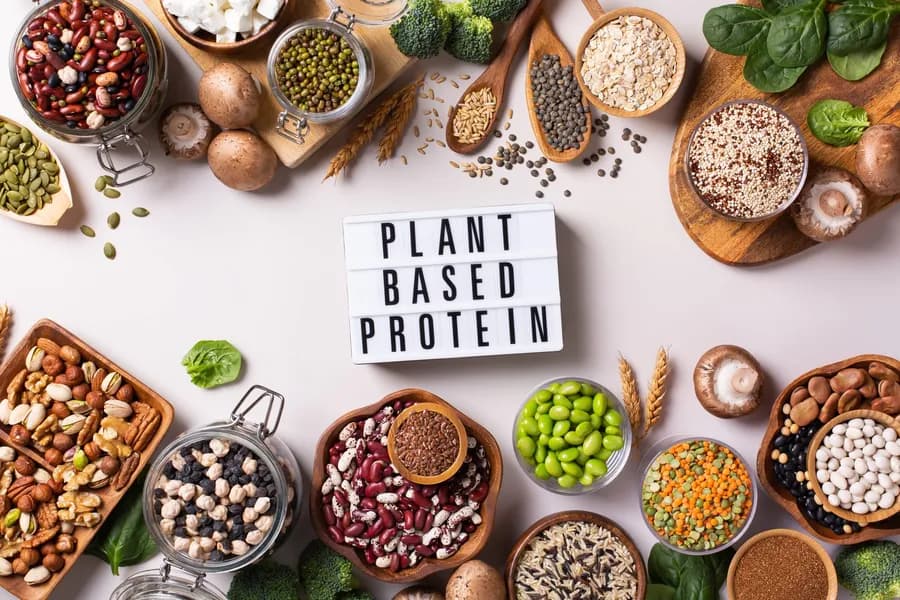
- Chana, rajma, moong and other pulses
- Tofu, soya chunks and soy milk
- Peanuts, almonds and pumpkin seeds
- Milk, curd and paneer
- Whole grains such as oats and whole wheat
A chana salad with curd, tofu bhurji with roti or a small handful of roasted peanuts with fruit fits an ordinary eating pattern. If your meals already include enough varied protein, there is no need to count arginine. Our list of protein-rich vegetarian foods can help you plan.
What the research shows
Exercise and muscle
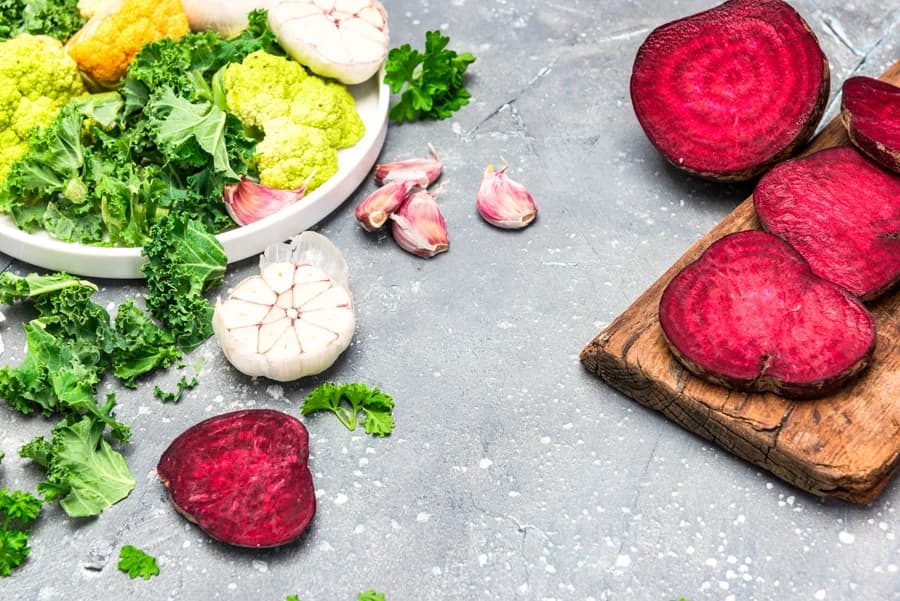
The logic sounds appealing: more arginine, more nitric oxide, more blood flow to muscles. In practice, the NIH Office of Dietary Supplements describes the evidence as limited and conflicting. Doses of 2 to 20 g a day had little to no effect on aerobic or anaerobic performance, and often did not change nitric oxide levels or blood flow in trained athletes. Consistent training, enough total protein and energy, and good recovery matter far more. Nitrate-rich foods such as beetroot work through a different pathway, covered in our guide to nitric oxide rich foods.
Blood pressure
A 2011 meta-analysis of 11 placebo-controlled trials with 387 participants, using 4 to 24 g a day, found that oral L-arginine lowered systolic blood pressure by about 5 mmHg and diastolic by about 3 mmHg on average. That is a modest effect. It does not replace prescribed treatment, and the same effect is why arginine can push blood pressure too low when combined with some medicines.
Erectile function and circulation
Because arginine widens blood vessels, it is often marketed for erectile difficulty and heart health. New erectile problems or chest discomfort can signal blood vessel disease, diabetes or medicine side effects, so get them assessed rather than self-treating with a supplement.
Side effects and interactions
Mayo Clinic lists possible side effects of oral L-arginine, including:
- Nausea, abdominal pain, diarrhoea and bloating
- Headache and gout
- Allergic reactions and worsening of asthma
Interactions can occur with blood thinners and antiplatelet medicines, blood pressure medicines, nitrates for chest pain, sildenafil and similar erectile-dysfunction medicines, and potassium-sparing diuretics, where blood potassium may rise. Show any supplement to your pharmacist alongside your regular prescriptions.
Who should not self-prescribe it
Do not take L-arginine after a recent heart attack. In the VINTAGE MI trial, 6 of the people given L-arginine after a heart attack died during six months, compared with none on placebo, and enrolment was stopped for safety. Mayo Clinic advises against its use in this group.
Speak to a doctor first if you have heart or kidney disease, low blood pressure, asthma or allergies, or if you are pregnant or breastfeeding, since safety evidence for casual supplement use is limited in these situations.
If a professional suggests a supplement
Ask what outcome it should improve and when you will review it. Check the label for the amount of arginine per scoop and for other ingredients, since many pre-workout powders also contain caffeine. Do not stack several products that repeat the same ingredient, and do not add extra scoops if you feel no change. An FSSAI licence number on an Indian product shows it is registered as a food, not that its health claims are proven.
Editorial sources
- NIH Office of Dietary Supplements: Dietary supplements for exercise and athletic performance
- Mayo Clinic: L-arginine
- Dong et al., 2011: Effect of oral L-arginine supplementation on blood pressure, a meta-analysis (PubMed)
- Schulman et al., 2006: L-arginine therapy in acute myocardial infarction, the VINTAGE MI trial (PubMed)
- FSSAI: Food Safety and Standards Authority of India
Frequently Asked Questions
Related Articles
Amino Acids: Types, Functions, Vegetarian Sources and Safety
Nine amino acids are called essential because the body cannot make enough of them and must get them from food. Learn vegetarian sources.

Nitric Oxide Rich Foods: Nitrate Sources, Uses and Safety
Foods do not usually contain nitric oxide itself. Learn about practical uses, portions and safety.
Protein-rich vegetarian foods: 1/4th plate habit
Explore protein, carbohydrates, healthy fats and meal planning for strength training, muscle building and recovery.