Diet for Lean Bulk: How to Gain Muscle Without Excess Fat
A lean bulk diet eats just enough extra to grow muscle while keeping fat gain to a minimum — slower and steadier than a traditional bulk. See exactly how.

Key Takeaways
- Uses a small, controlled surplus (150-300 kcal/day) instead of a large traditional bulk.
- Aim for 1.4-1.8g protein per kg body weight to direct calories toward muscle.
- Time carbs around workouts so they fuel training rather than sitting unused.
- Weigh weekly and adjust – daily fluctuations don’t reflect real progress.
- Gaining faster than about 0.25-0.5 kg a month usually means the surplus is too large.
A diet for lean bulk is built around eating just enough extra to grow muscle while keeping fat gain to a minimum — a slower, steadier approach than a traditional bulk. This article covers exactly how that balance works and how to plan it in practice.
What Makes a Diet for Lean Bulk Different
A regular bulk usually means eating a large calorie surplus to maximise muscle growth speed, accepting that some fat gain comes along with it. This approach takes the opposite priority: it uses a smaller, more controlled surplus so that most of the weight gained is muscle, even if the process takes a bit longer.
Quick comparison:
| | Regular Bulk | Lean Bulk |
| --- | --- | --- |
| Calorie surplus | Large (500+ kcal/day) | Small (150–300 kcal/day) |
| Speed of muscle gain | Faster | Slower but steadier |
| Fat gain | Noticeable | Minimal |
| Best for | Very lean individuals, beginners | Most people prioritising body composition |
How to Structure a Lean Bulk Diet
The core idea here is precision rather than deprivation — you’re not restricting, just calibrating:
- Set a modest surplus: Add roughly 150–300 calories above your maintenance level, rather than guessing.
- Prioritise protein: Keep protein around 1.4–1.8 grams per kilogram of body weight daily — higher protein during a lean bulk helps direct extra calories toward muscle rather than fat.
- Keep carbs purposeful: Time carbohydrates around workouts (banana, oats, rice) so they fuel training rather than sitting unused.
- Don’t fear fats, but don’t overdo them: Moderate healthy fats (nuts, ghee, seeds) support hormones without pushing calories too high.
- Track loosely, adjust often: Weigh yourself weekly and adjust your surplus slightly if you’re gaining faster than about 0.25–0.5 kg per month.
Getting these five levers right is really all a diet for lean bulk requires.
Photo: Protein shake, CC BY 3.0, via Wikimedia Commons
Common Mistakes with a Lean Bulk Diet
These are the mistakes that most often derail an otherwise solid diet for lean bulk:
- Overestimating the surplus: Many people think they’re eating “lean” but are actually in a large surplus — tracking for a couple of weeks clarifies this.
- Cutting carbs too much: Some assume fewer carbs means “leaner,” but carbs fuel the training that actually builds muscle.
- Judging progress daily: Weight and body composition fluctuate day to day; weekly averages give a much clearer picture.
- Chasing speed over consistency: A lean bulk is intentionally slower than a regular bulk — patience and steady eating matter more than rushing results.
For the general list of muscle-building foods to build a diet for lean bulk around, see foods to build muscle mass. If you’d rather see the same lean-surplus principles laid out as a full vegetarian meal plan, our vegetarian muscle building diet guide covers that directly, and pairing either approach with our diet for muscle recovery tips helps the surplus actually translate into muscle rather than just fatigue. Getting the protein number itself right matters too — our daily protein requirement guide shows how to calculate it for your own body weight and goal.
A Sample Day on a Lean Bulk Diet
Turning the surplus and protein targets into an actual day of eating makes a diet for lean bulk far easier to follow:
- Breakfast: Oats cooked in milk with a banana and a spoon of peanut butter
- Mid-morning: A handful of almonds and a glass of buttermilk
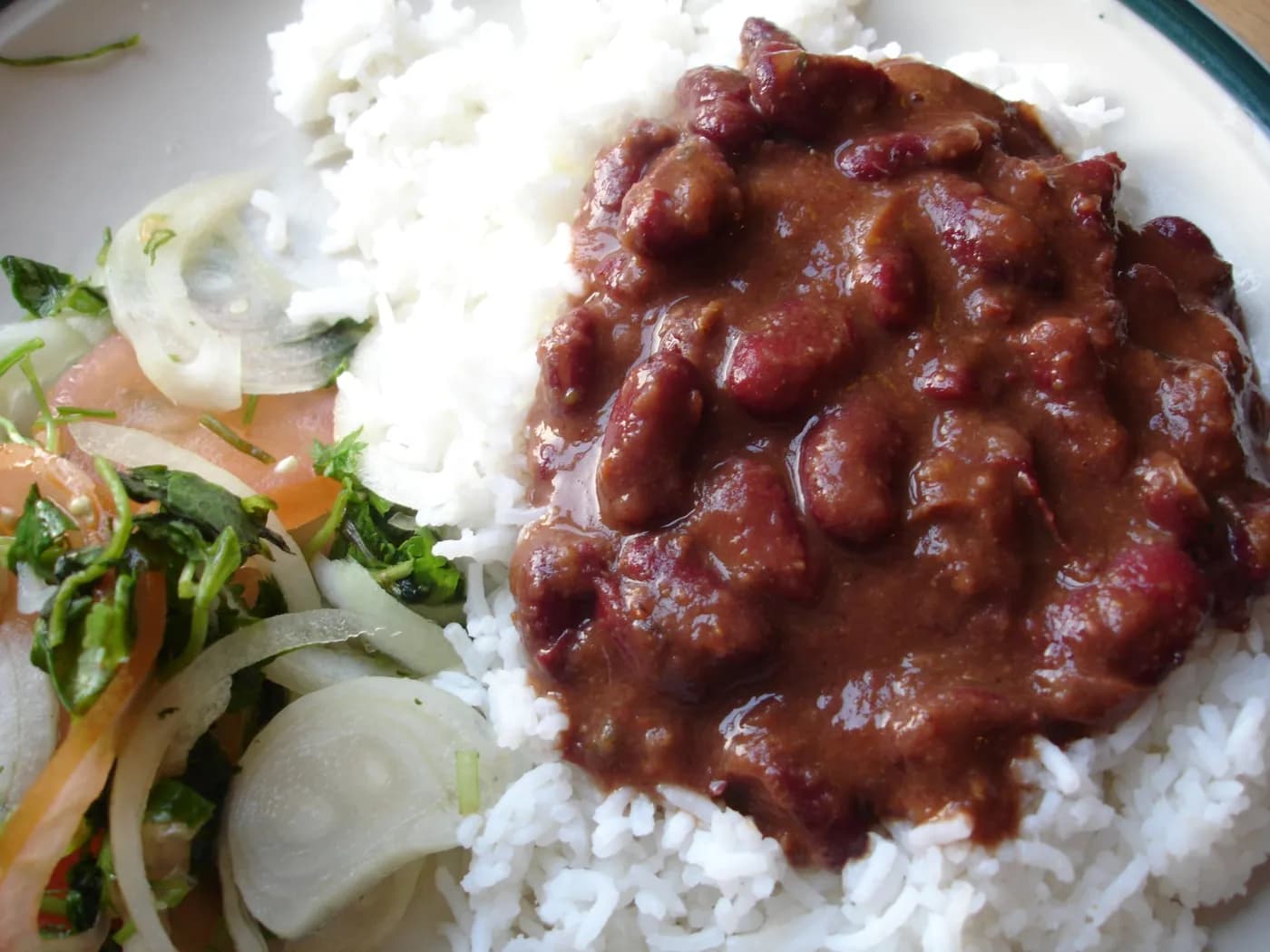
- Lunch: 1.5 cups dal or rajma, 2 rotis or 1 cup rice, a bowl of curd, and a vegetable
- Pre-workout: A banana or a slice of whole wheat toast with peanut butter
- Post-workout: A protein shake or paneer bhurji with a small roti
- Dinner: Soy chunk or paneer curry, 2 rotis, and a generous vegetable portion
For a 70kg person, this pattern lands around 2,600-2,800 calories with 100-115g of protein — a realistic, repeatable version of a diet for lean bulk rather than a rigid meal plan you can’t sustain.
Who Should Be Cautious With a Lean Bulk Approach
A diet for lean bulk isn’t the right fit for everyone:
- Very underweight individuals may benefit more from a slightly larger surplus initially, since a lean bulk’s slow pace can feel discouraging when the goal is simply gaining weight safely.
- People with a history of disordered eating should approach any structured surplus or deficit with a doctor or dietitian involved, rather than self-tracking alone.
- Those with diabetes or insulin resistance should pay closer attention to carb timing and portion size within a diet for lean bulk, since even “clean” surpluses affect blood sugar management.
- Anyone new to strength training can often gain muscle on a smaller surplus than experienced lifters need, meaning a lean bulk diet suits beginners particularly well.
Frequently Asked Questions
Related Articles

Diet for Strength Training: a Practical Eating Guide for Muscle and Recovery
Explore protein, carbohydrates, healthy fats and meal planning for strength training, muscle building and recovery.

How to Build Lean Muscle: the Diet, Training and Recovery Guide
Building muscle without the fat gain traditional bulking produces requires a moderate caloric surplus alongside high protein intake and progressive.

Best Diet Plan for Muscle Building
A consistent supply of protein, quality carbohydrates, and healthy fats repairs muscle tissue and fuels workouts — training is only half the equation. See what the right nutrition looks like.