
Lemon Tea Benefits: A Refreshing Drink Without the Detox Hype
Lemon tea can be a pleasant, refreshing drink, but it does not melt belly fat or clean toxins from the body. Here is what the cup can realistically do.
Key Takeaways
- The tea base decides whether the drink contains caffeine.
- An unsweetened cup can replace a sugary drink.
- Lemon tea is not a detox, cold cure or fat burner.
- Frequent acidic sipping may aggravate reflux and affect tooth enamel.
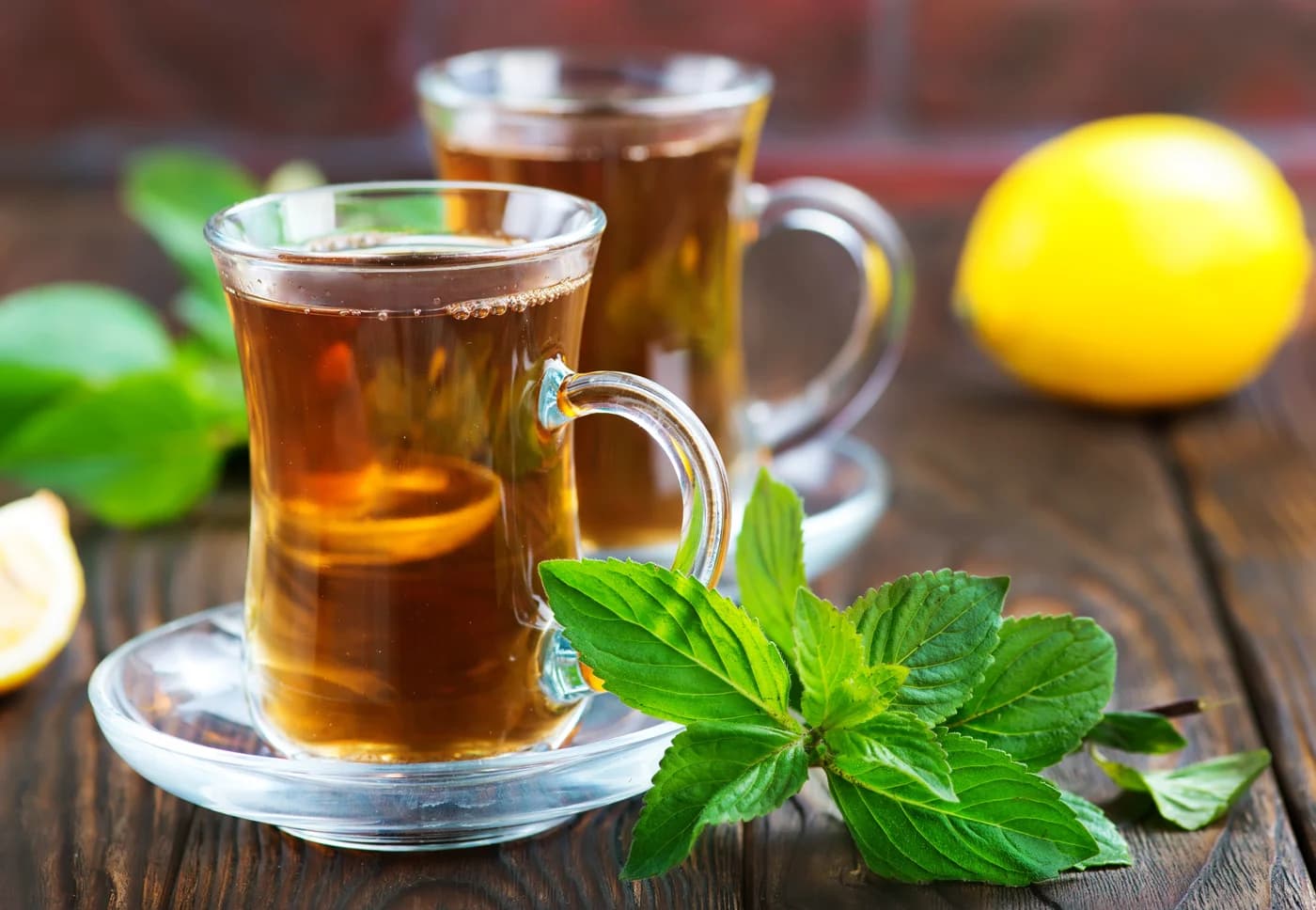
For one person, lemon tea means black tea with a squeeze of lemon. For another, it is simply hot water and lemon slices. Those are different drinks: one contains caffeine and tea compounds, while the other does not. Both can be pleasant, but neither melts belly fat or cleans toxins from the body. Here is what the cup can realistically do.
What is really in the cup?
Tea or lemon water?
Black and green tea contain caffeine and polyphenols. Hot water with lemon is naturally caffeine-free unless another tea or stimulant is added. A squeeze of lemon contributes flavour and a little vitamin C, but usually much less than eating a whole orange, guava or bowl of vegetables.
The useful benefit is simple
If lemon makes plain tea enjoyable without several spoons of sugar, that is useful. It also adds to your daily fluid intake. The benefit comes from replacing a sweeter drink and enjoying a routine you can repeat, not from changing the body’s pH or flushing out toxins.
Why detox claims do not add up
Your liver, kidneys, lungs and gut already process and remove waste. Lemon tea does not wash fat out of the body, and visible sweating after a hot drink is not detoxification. Weight change still comes from the longer pattern of meals, activity, sleep and health.
Honey still counts as sugar
Honey may soothe the throat for some adults, but it is still free sugar. A large spoon in every cup can turn a light drink into a repeated source of sugar. Taste the drink first, then use the smallest amount that makes it enjoyable. Our guide on how to control sugar naturally has more everyday ideas.
Drink it without discomfort
Caffeine has a long tail
A cup of black or green tea late in the evening can delay sleep or make it lighter, especially if you are sensitive. Strength, brew time and cup size all change the dose. If tea causes jitters, palpitations or poor sleep, choose a caffeine-free infusion or move it earlier.
Acidity may bother the stomach
Lemon may worsen heartburn, sour burps or nausea in some people, particularly on an empty stomach. There is no special advantage to drinking it first thing in the morning. Have it with or after food, reduce the lemon, or skip it if that feels better.
Protect your teeth
Acidic drinks can temporarily soften enamel. Avoid swishing lemon tea around your mouth or sipping it continuously for hours. Drink it in one sitting, rinse with plain water and wait before brushing. A straw may reduce contact with the front teeth, but it does not remove the acidity.
Tea can affect iron absorption
Tea taken with a meal can reduce absorption of non-haem iron from plant foods. This matters more for people with iron deficiency, heavy periods or a largely plant-based diet. If you have been advised to improve iron, keep tea between meals and follow your clinician’s plan.
A simple habit to try
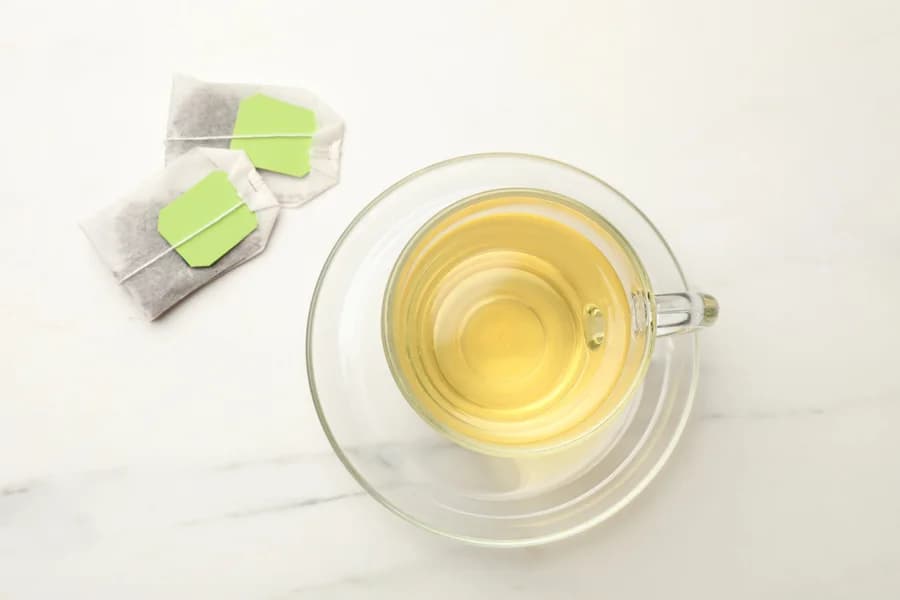
Make your usual lemon tea with half the sugar for one week, or leave sugar out on alternate days. Notice taste, reflux and sleep rather than expecting a detox feeling. For more routines that fit everyday life, browse Habuild’s Habitology guides.
Does lemon tea help a cold?
A warm drink may soothe a dry throat and make it easier to take fluids. That comfort is real, but lemon tea does not kill a cold virus or shorten every illness. Rest, fluids and symptom care matter. Seek advice for breathing difficulty, chest pain, dehydration, very high fever or symptoms that are worsening rather than settling.
Very hot tea is not better
The drink should be comfortably warm, not scalding. Repeatedly drinking beverages at very high temperatures can injure the mouth and food pipe. Let the cup cool before sipping. A stronger burn does not mean stronger benefits, and it does not clear congestion more effectively.
Bottled lemon tea is different
Ready-to-drink lemon tea may contain a substantial amount of added sugar and only a little lemon. Compare the ingredient list and sugar per bottle, not just per 100 ml. A bottle labelled green tea can still function more like a sweet drink if the serving is large.
Watch mixed herbal products
Some “lemon tea” blends contain liquorice, senna, green-tea extract or other herbs. Those additions have their own effects and interactions. Senna can cause diarrhoea and is not a detox ingredient; liquorice may raise blood pressure in susceptible people. Read the full label before making the blend a daily habit.
Use the peel carefully
A little washed lemon zest adds aroma, but the peel should be scrubbed under running water and used only when the product is meant for food. Do not wash fruit with soap. Large amounts of zest are unnecessary, and essential oil is far more concentrated than culinary peel.
Editorial sources
Frequently Asked Questions
Related Articles

Honey Lemon Water Benefits: Limits and Safety
Honey and lemon can make warm water pleasant, but the drink is not a detox treatment, fat burner or cure for infection.


Green Tea Benefits: Evidence, Timing and Safety
Learn what green tea can realistically do, how to brew it, caffeine timing, weight-loss evidence and supplement safety notes.
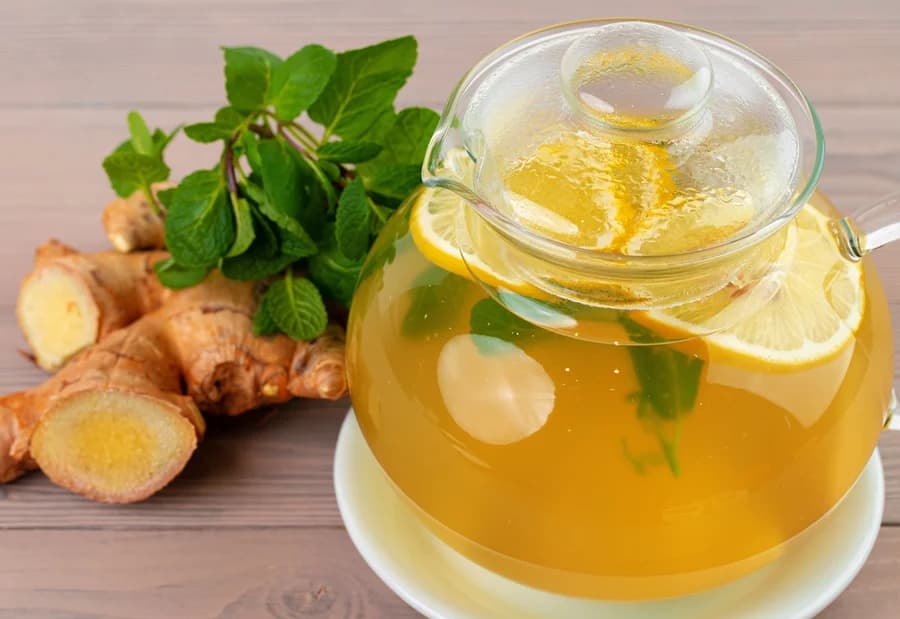
Ginger Tea: Does It Really Help?
Ginger tea is warming, simple to make and may help settle mild nausea, but it is not a cure-all. Here is what is worth knowing before your next cup.

Lemongrass Tea: Uses, Preparation and Possible Benefits
Lemongrass tea is a fragrant, caffeine-free infusion. Here is how to brew it, what research does and does not show, and when to take care.