
Licorice Root: Natural Doesn’t Mean Harmless
Real licorice can raise blood pressure, lower potassium and interact with common medicines. Here is what to know before you sip or snack.
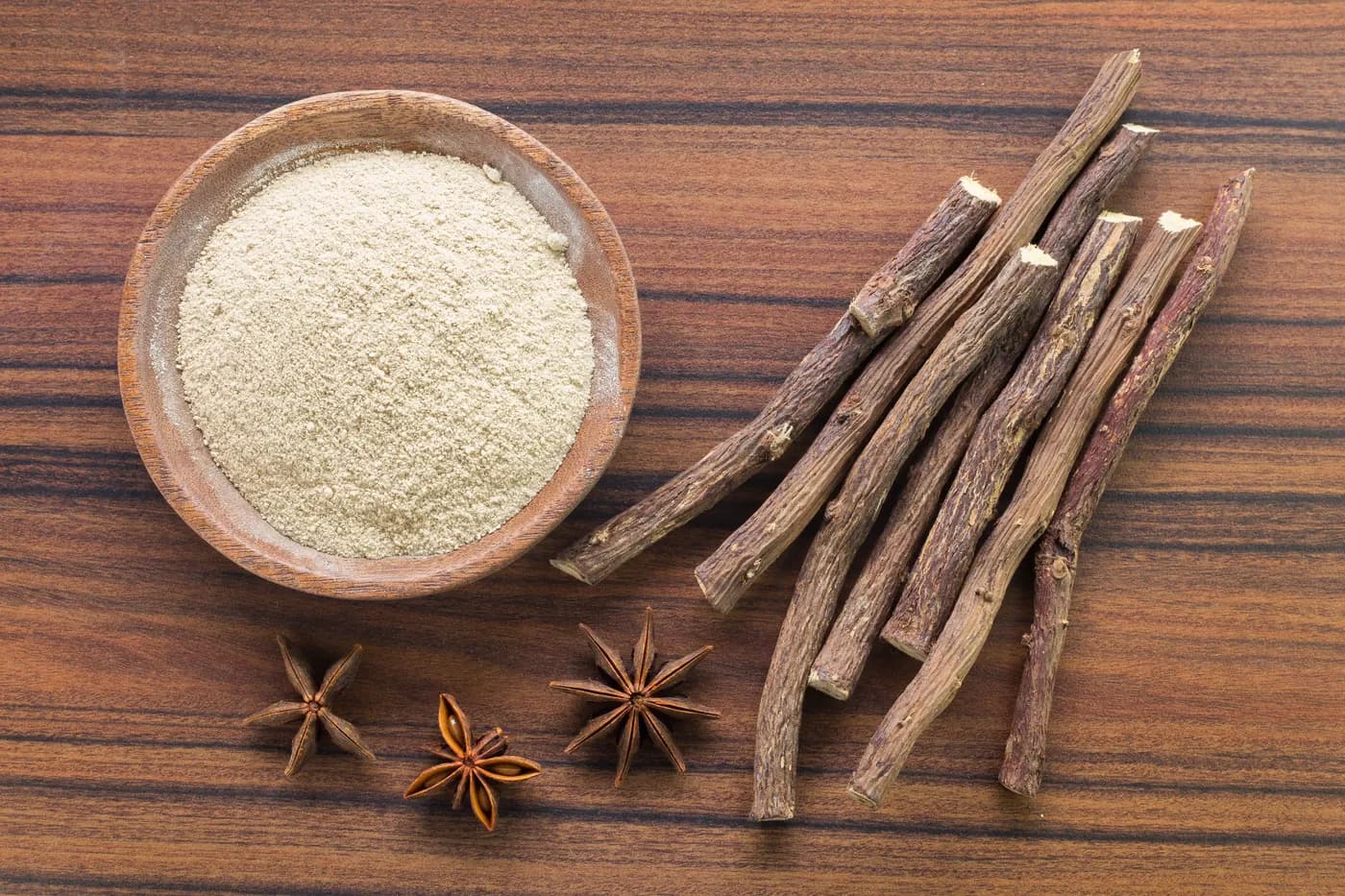
Key Takeaways
- Glycyrrhizin in real licorice can raise blood pressure and lower potassium.
- Check labels: many sweets use flavouring rather than real licorice.
- Avoid it in pregnancy and check with your doctor if you take medicines.
- Muscle weakness, palpitations or swelling after licorice need medical attention.
Licorice turns up in sweets, teas, cough mixtures and herbal blends, and many people assume it’s gentle because it comes from a plant. The truth is more complicated. Real licorice can raise your blood pressure and lower your potassium, and it can interact with common medicines. Here’s what to know before you sip or snack.
What’s in it?
True licorice comes from the Glycyrrhiza plant. Its key compound, glycyrrhizin, affects the balance of salt and potassium in your body, and it’s behind most of the safety concerns.
Not every “licorice” product contains it, though. Many black sweets get their flavour from anise instead and may have little real licorice in them. The taste alone won’t tell you what’s inside.
Read the label first
True licorice can appear in tea, candy, powders, cough mixtures and herbal blends. A packet may say “licorice extract” without telling you how much active compound is in a serving, which makes a casual daily habit hard to judge.
Check every product you use, because a tea and a herbal tablet can add up. If the label isn’t clear, ask a pharmacist.
Why blood pressure goes up

Glycyrrhizin can make your body hold on to sodium and lose potassium. That can raise blood pressure and cause swelling. Low potassium can also affect your muscles and your heart’s rhythm.
The risk grows with frequent or larger amounts and with certain health conditions. There’s no universal safe number of cups of tea, since products differ so much. A normal reading today doesn’t prove a long-term habit is harmless. If blood pressure is already a worry, our guide on how to control high BP is worth a read.
Does it actually work?
Traditional use is a reason to study a plant, not proof that it treats a disease. Researchers have looked at licorice for digestive and breathing problems, but the preparations differ so much that the results are hard to apply to a shop-bought tea.
Licorice hasn’t been shown to replace treatment for reflux, ulcers or asthma. And a sore throat or cough that won’t go away deserves a proper check. If a remedy seems to help, remember that other ingredients, or simply the normal course of an illness, might explain it.
What is DGL?
DGL stands for deglycyrrhizinated licorice, which has most of the glycyrrhizin removed. That may lower the main safety concern, but it doesn’t prove the product works for stomach problems, and quality varies between makers.
Look for “DGL” on the label rather than assuming all licorice tea is the same. If you have a serious condition or take regular medicine, talk to your doctor about even a DGL product, and don’t stop prescribed treatment because you bought one.
Medicines and pregnancy
Diuretics (water pills) can already lower potassium. Digoxin becomes more dangerous when potassium drops. Other medicines, including corticosteroids, can interact or add to blood pressure problems. Please avoid licorice products during pregnancy. If you have heart, kidney or liver disease or high blood pressure, talk to your doctor first.
A short chat with a pharmacist or doctor is worth more than an internet list that can’t know your dose, condition or full medicine history. Bring the packet or a clear photo of its ingredients.
Warning signs
Stop using it and get medical help if you notice weakness, swelling, a severe headache, palpitations, fainting or chest pain. These can point to low potassium, high blood pressure or a heart rhythm problem.
If you’ve already been using it
Write down what form you took, how often and for how long. Watch for new swelling, muscle weakness or a racing heart. Get urgent help for fainting, chest pain or a sudden severe headache.
Please don’t try to fix suspected low potassium with supplements yourself, because too much potassium is dangerous too. A doctor may check your blood pressure, blood salts and heart if needed. Mention herbal products as well as prescription medicines.
Choosing wisely
For an occasional sweet, read the label and keep portions small. For a daily remedy, first ask what symptom you want to improve and whether its cause is known. A warm drink you understand, like jeera or ajwain water, can give you the same soothing ritual without licorice. If symptoms continue, get proper advice, because persistent indigestion or cough is a reason to look for the cause.
Don’t count only the obvious licorice sweet. Herbal mixes can contain the root too, and a concentrated extract is very different from a flavouring. If a label is incomplete, ask the maker or pick another product. And children shouldn’t be given medicinal licorice just because it tastes sweet. For more everyday reading, browse our Habitology health guides.
A simple habit to try
Check the ingredient list on any licorice tea or sweet you use. If you take it regularly, show the exact product to a pharmacist, especially if you have high blood pressure or take medicines.
Editorial sources
Frequently Asked Questions
Related Articles
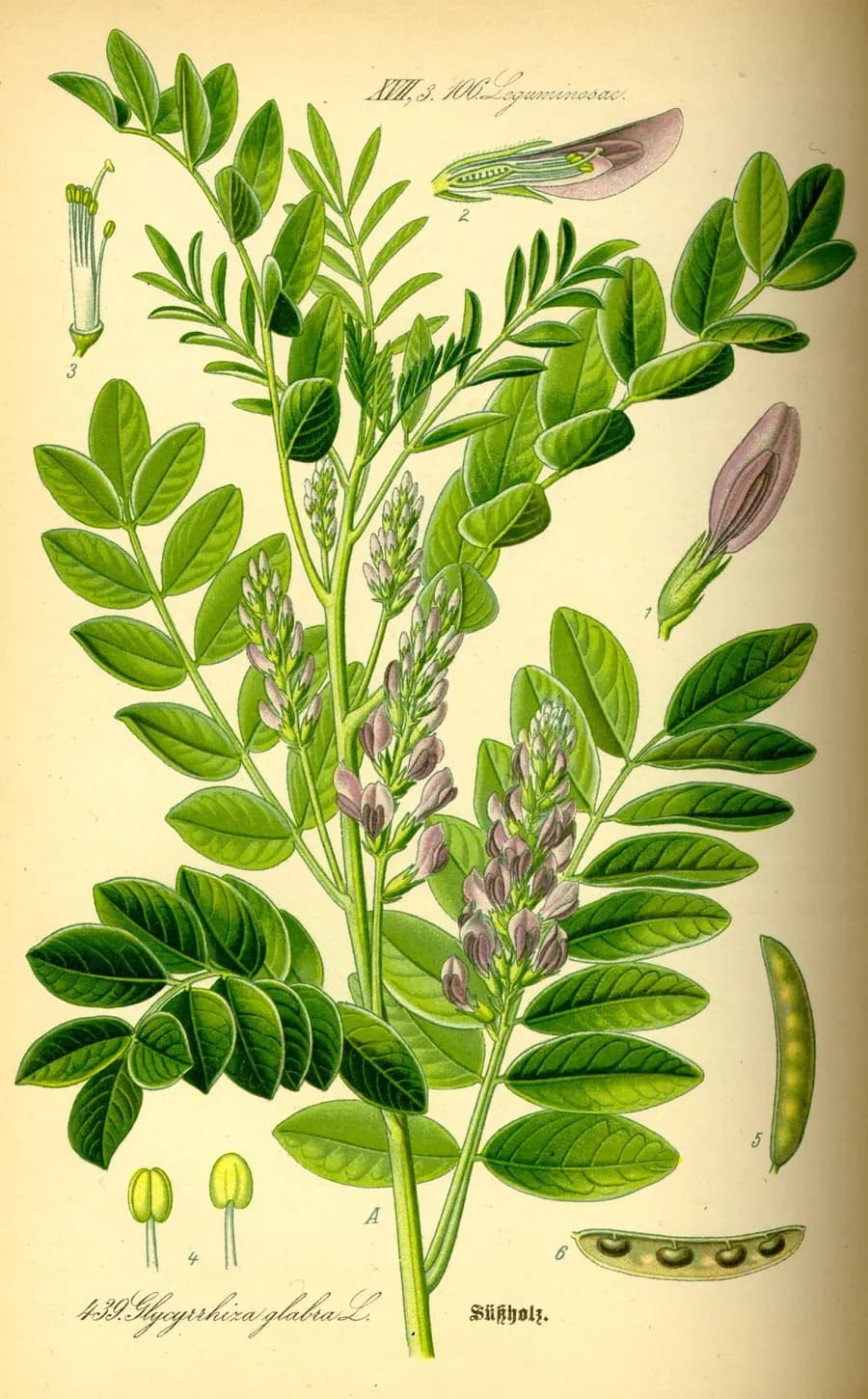
Mulethi: Benefits, Uses & Ayurvedic Properties
Discover Mulethi (Yashtimadhu / Glycyrrhiza glabra) — its Ayurvedic properties, health benefits for cough, digestion, skin, and immunity, dosage.

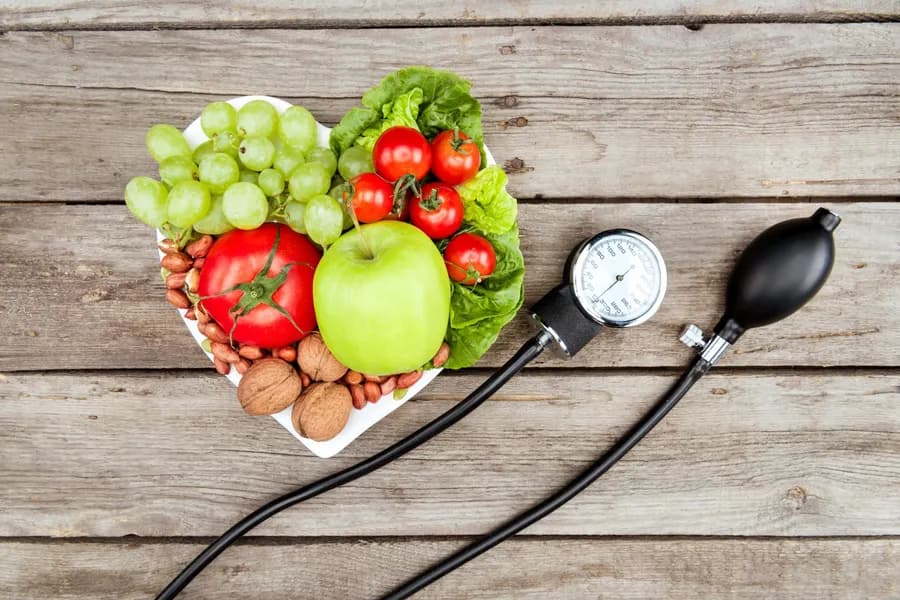
High BP Diet: Foods That Naturally Help Manage Blood Pressure
A high BP diet cuts excess sodium, adds potassium-rich whole foods, and reduces processed items — working alongside medication, not instead of it. See.

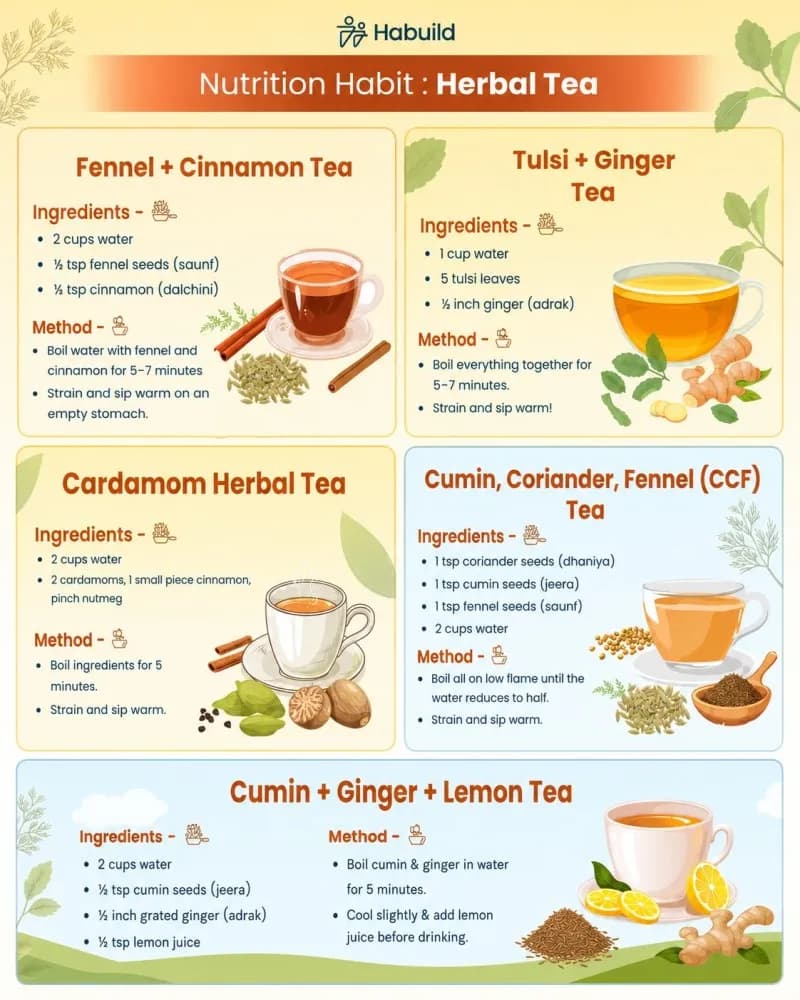
Herbal Tea Recipes: 5 Simple Blends for Daily Routine
These five herbal tea blends use common Indian kitchen ingredients like fennel, cinnamon, tulsi, ginger, and cardamom — light, warm drinks, not medicine..
