
Maca Root: Uses, Forms and Possible Benefits
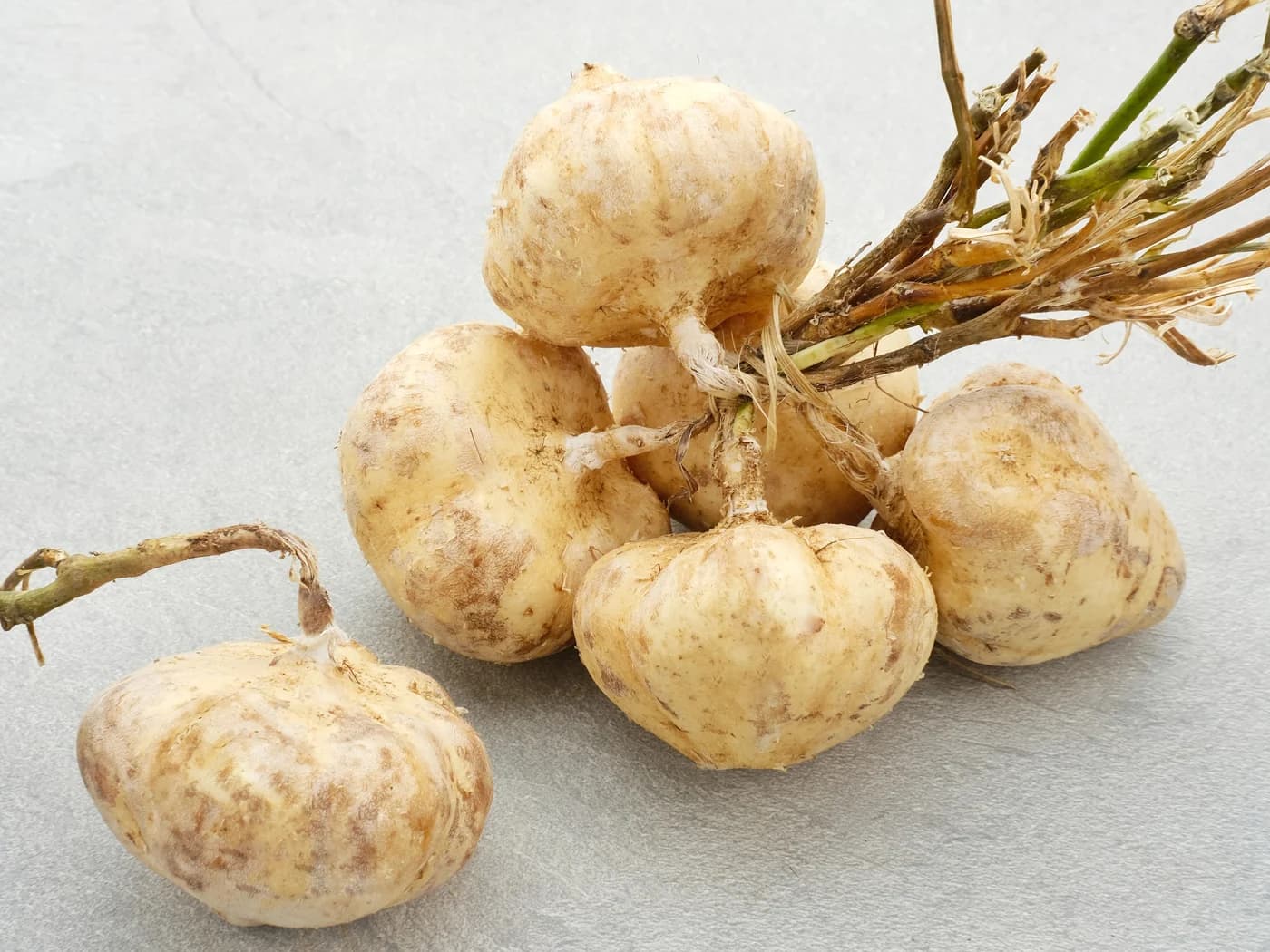
Maca is a plant from the Peruvian Andes, usually sold as a beige, red or black powder, capsule or concentrated extract.
Key Takeaways
- Maca powder and concentrated extracts can provide very different amounts.
- The powder is mainly used as a food-style ingredient or supplement.
- Research on sexual function, fertility and menopause is still limited.
- Choose a clearly labelled product and use it for a defined reason.
Maca is a plant from the Peruvian Andes, usually sold as a beige, red or black powder, capsule or concentrated extract. The root has a malty, earthy taste and is commonly added to drinks or breakfast foods. Interest in maca root benefits often centres on energy, sexual wellbeing and menopause, but the evidence is limited and products are not interchangeable.
Possible benefits
- May modestly support sexual desire in some adults, based on small studies.
- May help selected menopause-related symptoms, although evidence is uncertain.
- Adds a distinctive flavour to porridge, curd, milk or smoothies.
- Provides carbohydrate and small amounts of nutrients, depending on the serving.
What maca powder actually is
Maca, or Lepidium meyenii, is a cruciferous plant, related to mustard, radish and cabbage. The edible underground part, often called a root or hypocotyl, is dried and milled, gelatinised or extracted. In the Andes it has long been eaten as a cooked food rather than taken as a capsule.
Colour labels such as yellow, red or black may describe varieties, but they do not guarantee a particular effect. The nutrition of a spoonful of powder also differs from the composition of a capsule, so the same name on two packs can mean quite different products.
Powder, capsules and extracts
Raw-style powder may taste stronger and can be harder for some people to digest. Gelatinised maca has been heated to remove much of its starch; it is not gelatine and can still be suitable for vegetarians.
Extracts concentrate selected material, so their directions should not be copied from powder recipes. Capsules are convenient but hide the amount and form unless the label states them clearly. When comparing products, check whether the stated amount refers to whole powder or to an extract.
How people use maca in food
A small amount can be stirred into oats, plain curd, warm milk or a smoothie. Its flavour pairs well with cocoa, cinnamon, banana and nut butter. It is optional rather than essential, and it should not displace protein-rich foods, fruit, vegetables or ordinary meals.
Maca has a toasted, earthy flavour that can dominate a drink, so begin with less than the full labelled serving when using powder in food. Mix it into a little liquid first to avoid lumps. Heat may change the flavour, but the powder does not become pointless simply because it is mixed into warm porridge. There is no proven best time of day.
What research has examined
Human studies have explored libido, semen measures, mood and menopausal symptoms. Many are small, short or use different preparations, and some are funded by product makers. They do not establish that maca raises testosterone, treats infertility or works as an instant energiser.
Results from one branded extract cannot prove that every powder has the same effect. For now, maca root benefits are best described as possible and modest rather than reliable, and larger, well-designed trials are still needed.
Safety and who should be cautious
Maca eaten as a food appears to be well tolerated by most adults, but long-term safety data for concentrated supplements are limited. Some people notice digestive discomfort, particularly with raw powder.
Pregnancy, breastfeeding, hormone-sensitive conditions such as some breast or prostate conditions, thyroid disease and regular medicines justify professional advice before use, because research in these groups is lacking. Children should not be given maca supplements unless advised by a clinician.
Choosing a product that makes sense
Look for the botanical name, plant part, amount per serving, batch number and expiry date. Prefer a single-ingredient product when first trying it, and avoid blends that combine maca with several stimulants or hormone-themed herbs. Independent testing can improve confidence in identity and contaminants, although it does not prove the claimed result.
A short practical trial
There is no universal dose for general wellness. Follow the product label and avoid stacking several products promoted for energy or hormones. If there is no clear benefit after a defined trial period, continuing or increasing the amount is unlikely to add value.
Marketing often links maca root benefits with masculinity, fertility or athletic identity. These messages can make a normal variation in desire or energy feel like a deficiency. Persistent fatigue, sexual difficulty or fertility concerns deserve a proper history and assessment because sleep, stress, medicines, anaemia, thyroid problems and relationship factors may be more relevant than another supplement.
Editorial sources
Frequently Asked Questions
Related Articles
Ginseng Benefits, Uses, Side Effects and Safety
Explore ginseng benefits, types and uses, plus what research says about fatigue, blood sugar, side effects and important medicine interactions.

Ashwagandha Powder : Benefits, Uses and Safety
Ashwagandha, or Withania somnifera, is an herb used in Ayurveda and sold as dried root powder, capsules and concentrated extracts. It is promoted for…


How to Increase Testosterone Naturally: Evidence and Testing
Testosterone varies by age, time of day, sleep, illness, energy intake, medicines and body composition. Symptoms alone cannot confirm a low level.