
Ginseng Benefits, Uses, Side Effects and Safety
Explore ginseng benefits, types and uses, plus what research says about fatigue, blood sugar, side effects and important medicine interactions.
Key Takeaways
- Asian and American ginseng are different plants, while Siberian ginseng is not a true Panax ginseng.
- Research suggests, at most, modest ginseng benefits for a limited number of outcomes.
- Insomnia is the most commonly reported side effect of Asian ginseng.
- Pregnancy, diabetes, autoimmune conditions, bleeding risk and regular medicines require caution.
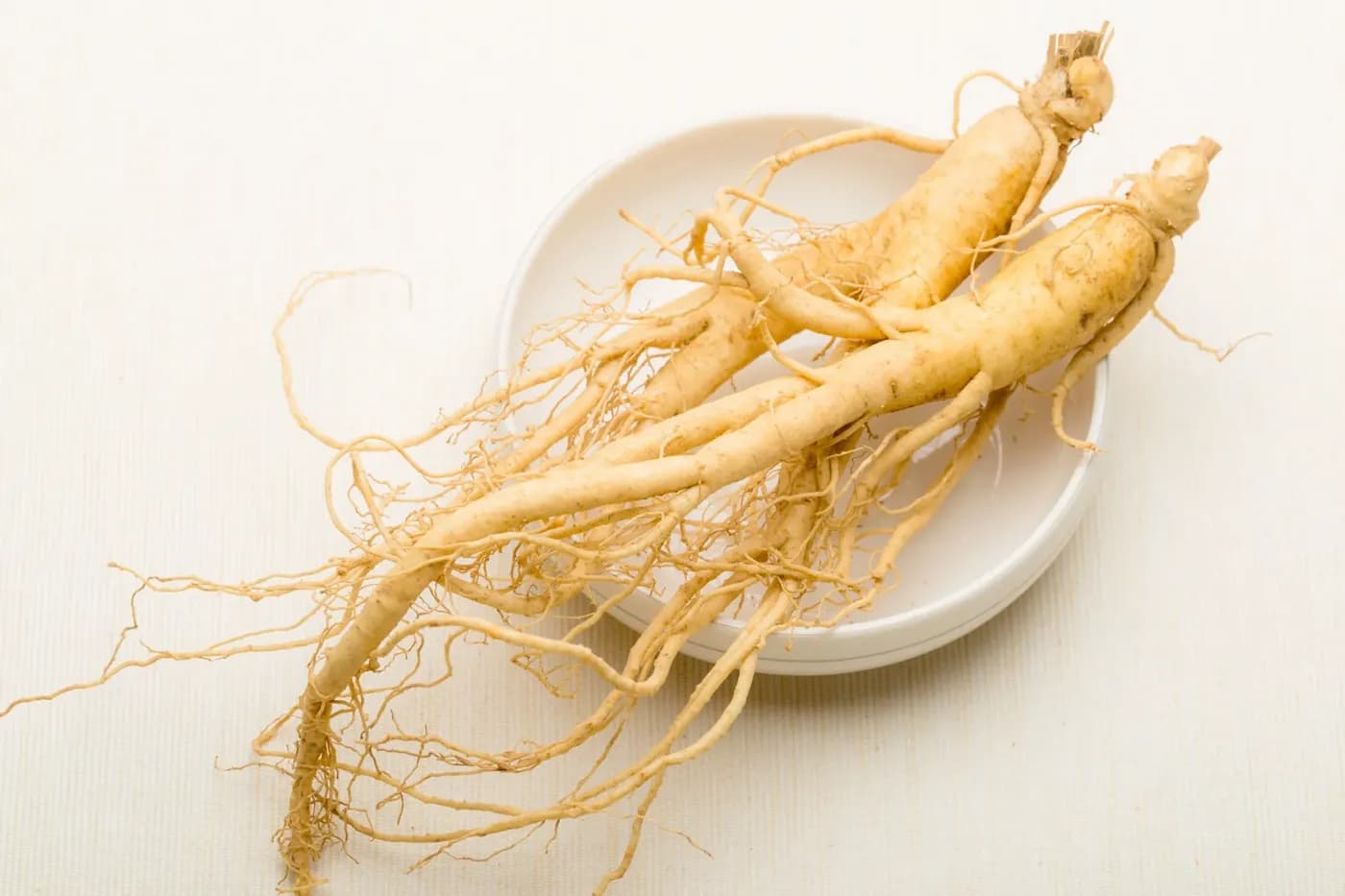
Ginseng is the name used for several herbal products, most commonly Asian ginseng and American ginseng. The root is sold as tea, powder, capsules and concentrated extracts. Advertised ginseng benefits include more energy, better memory, stronger immunity, blood-sugar control and improved sexual function, but the evidence is mixed and depends on the species and preparation.
Ginseng should be treated as an herbal supplement rather than an everyday food or harmless tonic. Short-term use may be tolerated by many adults, but side effects and medicine interactions are possible.
What is ginseng?
True ginseng generally refers to plants in the Panax genus. Asian or Korean ginseng is Panax ginseng, while American ginseng is Panax quinquefolius. Siberian ginseng is Eleutherococcus senticosus, a different plant that should not be assumed to have the same effects.
Red and white Asian ginseng describe processing methods rather than separate species. Ginsenosides are the compounds most often studied. Check the botanical name, plant part and amount on the label because evidence for one preparation cannot automatically support another product.
Ginseng nutrition: food or supplement?
Ginseng root contains carbohydrate and plant compounds, but the small quantities used in tea or capsules contribute little everyday nutrition. Products should not be relied on for protein, fibre, vitamins or minerals. When assessing ginseng benefits, focus on the specific extract and clinical evidence rather than a nutrition-style label.
An extract may be standardised to a stated concentration of ginsenosides. Standardisation can improve consistency, but it does not prove that the product works or remove the risk of side effects and interactions.
Potential ginseng benefits: what research shows
Fatigue and energy
Some reviews suggest a small possible improvement in general fatigue, but studies are inconsistent. Ginseng benefits for energy should not be confused with treating the cause of persistent tiredness. Fatigue may be related to anaemia, thyroid disease, poor sleep, depression, infection, medicines or other conditions.
Do not use a stimulating herbal product to repeatedly mask unexplained fatigue. Sleep, regular balanced meals and medical assessment are more important than a tonic.
Memory and concentration
Small studies have reported possible improvements in selected aspects of cognitive performance, but evidence is not strong enough to claim that ginseng prevents dementia or reliably improves memory. Anyone experiencing new or worsening confusion or memory loss should seek medical assessment.
Blood sugar and immunity
Some ginseng preparations may affect blood glucose, but results are inconsistent and products differ. This possible effect can become a safety risk when combined with diabetes medicines. Proposed ginseng benefits for immunity are also not strong enough to replace vaccination, sleep, nutrition or recommended medical care.
Sexual function
A limited number of studies suggest possible improvement in erectile function, but the certainty of evidence and products used vary. Ginseng is not a substitute for assessment because erectile difficulties can be associated with cardiovascular disease, diabetes, medicine effects or psychological factors.
How to use ginseng more safely
Tea may be prepared from sliced or packaged root according to the product directions. Powders can be mixed into water, while capsules and extracts provide more concentrated quantities. There is no universal dose because species, processing and extract strength differ.
- Choose a single-ingredient product that clearly states the botanical name.
- Follow the labelled serving and do not increase it quickly.
- Take it earlier in the day if it affects sleep.
- Avoid combining it with high-caffeine energy products.
- Record the product, dose and any new symptoms.
- Stop and seek advice if side effects occur or there is no clear reason to continue.
These precautions do not guarantee safety, but they are more sensible than pursuing ginseng benefits through unlabelled powders or multi-ingredient energy and sexual-enhancement products.
Ginseng side effects
Insomnia is the most common side effect reported with Asian ginseng. Headache, digestive upset, nervousness, rash and menstrual changes may also occur. Uncommon reports include severe allergy and liver injury, sometimes involving products with multiple ingredients.
Stop use and obtain medical advice for yellowing of the skin or eyes, dark urine or severe abdominal pain. Seek urgent assistance for breathing difficulty, throat or facial swelling, faintness or a rapidly spreading rash.
Medicine interactions and who should avoid ginseng
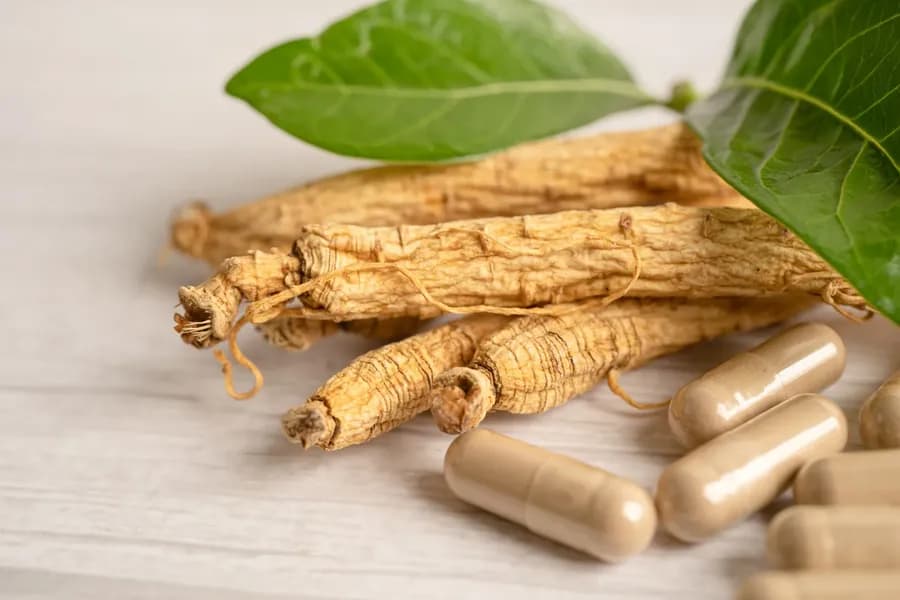
Ginseng may affect blood glucose and blood clotting. Uncertainty also exists about interactions with warfarin, blood-pressure medicines, statins, antidepressants and other drugs. Show the exact label to a doctor or pharmacist, and disclose supplement use before surgery.
Asian ginseng may worsen autoimmune disorders. People with diabetes, bleeding disorders, autoimmune disease, hormone-sensitive conditions or liver disease should seek professional advice before use. Ginseng benefits should never be weighed without considering the person’s medicines and medical history.
Safety during pregnancy is uncertain, and NCCIH notes concerns from some studies. Avoid unsupervised use during pregnancy and breastfeeding. Infants and children should not receive ginseng routinely.
For detailed precautions, read NCCIH’s Asian ginseng safety guidance and its herb–drug interaction summary.
How to choose a safer product
- Look for the botanical name, plant part, serving amount, batch number and expiry date.
- Choose a reputable manufacturer and avoid products with vague “proprietary blend” quantities.
- Third-party testing can support quality control but does not prove effectiveness.
- Avoid promises of instant energy, guaranteed testosterone increases, rapid weight loss or a cure for diabetes.
- Be especially cautious with sexual-enhancement products because regulators have found undeclared medicines in some supplements marketed with ginseng.
The FDA advises discussing supplements with a healthcare professional because they can interact with medicines and other supplements.
The bottom line
Evidence for ginseng benefits is limited and varies by species, extract and health outcome. Small possible effects do not justify replacing treatment or ignoring persistent fatigue, memory changes, erectile difficulties or abnormal blood sugar.
If you choose to try ginseng, select a clearly labelled single-ingredient product, follow the stated serving and discuss it with a healthcare professional when you take medicines or have a medical condition. Avoid unsupervised use during pregnancy, breastfeeding and childhood.
Frequently Asked Questions
Related Articles
How to Get Enough Protein on a Vegetarian Diet
Learn how protein rich vegetarian foods support energy, strength and fullness. Use the perfect plate habit with greens, grains and protein.

Veg Daliya Recipe: A Simple High-Fibre Meal
Veg daliya recipe made with broken wheat or millet daliya, mixed vegetables, jeera and ghee. A simple high-fibre meal for breakfast or lunch.

Blood Sugar Kaise Kam Kare
Blood sugar kaise kam kare? जानिए exercise, yoga aur daily routine se blood sugar manage karne ke asardar tarike. 14-day free trial mein shuru karein.