
Makhana Benefits: Nutrition and Healthy Snack Ideas
A simple guide to makhana benefits, nutrition, portions, roasting ideas and the limits of current health research on this snack.
Key Takeaways
- Plain roasted makhana benefits can replace heavily fried or sugary snacks.
- It is not a high-protein food, so pair it with a protein source.
- Research on special health benefits is still limited.
- Portion the snack before eating instead of using the full packet.
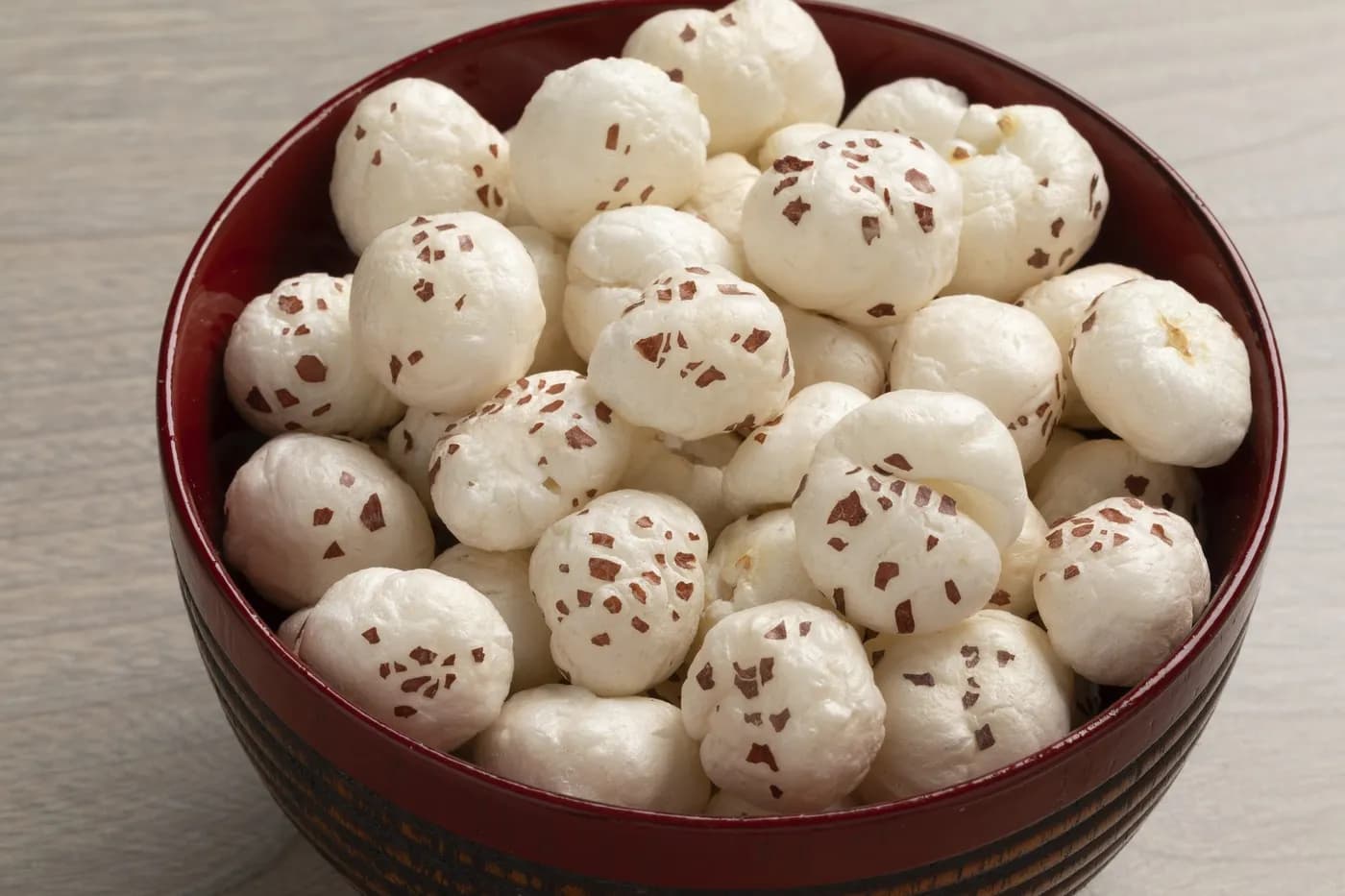
Makhana benefits, also called fox nuts or popped gorgon nuts, is a familiar fasting and tea-time food in India. It can be a useful snack, but its value depends on the portion and how it is cooked.
What is makhana?
Makhana benefits comes from the seeds of Euryale ferox, an aquatic plant. The seeds are processed and popped to create the white, airy pieces sold in shops. Makhana benefits is different from the lotus seeds often used in East Asian cooking, although the names are sometimes mixed online.
Its mild taste makes it easy to season. It can be roasted with spices, added to a light trail mix or used in kheer. The final nutrition changes greatly when a recipe adds ghee, oil, sugar or salt.
What does makhana provide?
Makhana benefits is mainly a carbohydrate food. It contains some protein and minerals, but it should not be treated as a major protein source. Reviews describe its food uses and nutritional compounds, but the exact values vary by variety and processing method. (1)
This matters when building a snack. A bowl of plain makhana benefits may feel light, yet it may not keep everyone full for long. Pair it with curd, milk, roasted chana or a few nuts to add protein and make the snack more balanced.
Are the health claims proven?
Traditional use and early research have led to claims about blood sugar, heart health, inflammation and many other benefits. Reviews of Euryale ferox describe interesting compounds and laboratory findings, but much of the evidence does not come from large, strong human trials. (1)
Another scientific review also highlights traditional and possible pharmacological uses. These findings can guide future research, but they do not prove that eating a bowl of makhana will prevent or treat disease. (2)
The more dependable benefit is practical: simply roasted makhana benefits can replace snacks that are deep-fried, very salty or high in added sugar.
How to make roasted makhana benefits
Warm one teaspoon of oil or ghee in a wide pan.
Add two cups of makhana and roast on low heat.
This connects well with High Protein Vegetarian Foods and Pumpkin Seeds Benefits if you want the fuller picture.
Stir often for about eight to ten minutes.
Test one piece; it should feel crisp all the way through.
Turn off the heat and add turmeric, pepper, cumin or a little chaat masala.
Keep the salt light. If you use packaged seasoning, check the label because sodium can add up quickly. Let the makhana benefits cool fully before storing it in an airtight jar.
Simple serving ideas
Mix roasted makhana benefits with roasted chana for more protein.
Serve it with plain curd and fruit for an afternoon snack.
Add chopped nuts and cinnamon for a no-sugar trail mix.
Use a small portion as a crunchy topping on soup.
Make kheer occasionally, with less sugar than a standard recipe.
Portion and safety tips
Makhana is easy to eat by the handful. Put one serving in a bowl and close the packet before sitting down. A portion that fits comfortably in your cupped hands is a practical starting point; needs vary by person.
Chew it well, especially if you have dental problems or difficulty swallowing. For young children, avoid giving large, hard pieces without supervision.
Buy sealed packs, check for moisture or insects and store the product dry. Clean hands and utensils also matter when preparing any snack. (3)
If you have diabetes, high blood pressure, kidney disease or a prescribed diet, discuss suitable portions and seasonings with your clinician.
Build a better snack habit
Choose one regular snack time, prepare a measured portion and pair it with water or unsweetened tea. If hunger returns quickly, add a protein food rather than doubling the makhana benefits.
The goal is not to label one snack as “good” and another as “bad”. It is to make the everyday option simple, satisfying and easy to repeat.
Relevant Habuild interlink
Support your food habits with regular movement in Habuild’s Yoga Everyday programme.
Frequently Asked Questions
Related Articles

Healthy fats: why your body needs fat
Healthy fats help your body absorb vitamins and support brain, hormones, joints, cells and daily meals. Learn simple vegetarian sources and habits.

Good fats vs bad fats: choose fats wisely
Understand good fats vs bad fats in simple words. Learn which vegetarian fats to choose, what to reduce and how to read food labels better.
