
Mangosteen: Nutrition, Claims and Safe Portions
Mangosteen is a sweet-tart tropical fruit, not a cure. See what the flesh provides, how juices and extracts differ and who needs caution.
Key Takeaways
- The edible white flesh is a fruit portion, not a treatment.
- Rind extracts contain compounds you do not get from normal fruit portions.
- Sweetened mangosteen juices can deliver much more sugar than whole fruit.
- Supplements may interact with medicines or affect blood clotting.
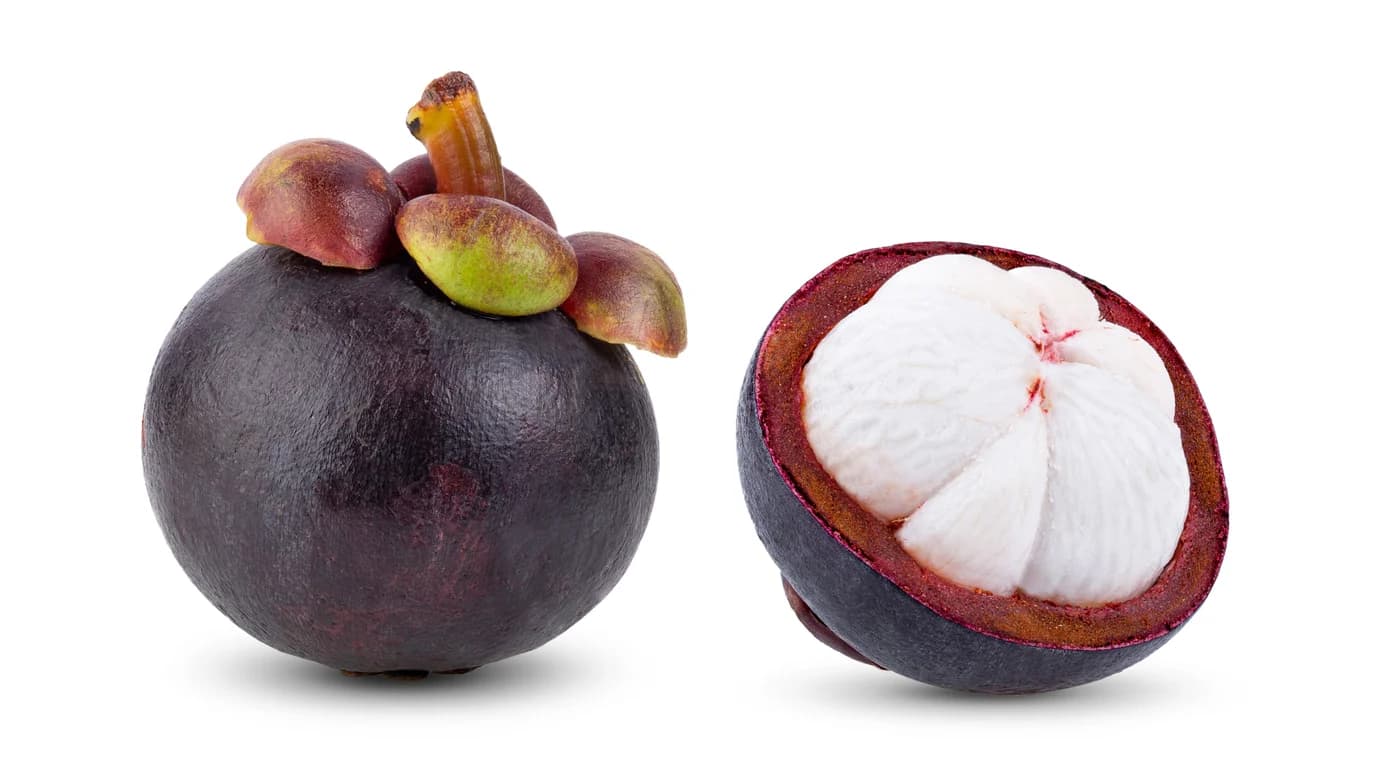
Mangosteen is a tropical fruit with a thick purple rind and sweet-tart white segments. The edible flesh provides carbohydrate, fibre and vitamin C in modest amounts. Xanthones in the rind attract research interest, but extracts and juices are not equivalent to eating the fruit, and the evidence does not support claims that mangosteen cures cancer, infection or inflammation.
What does mangosteen offer?
What is inside the white flesh?
Mangosteen provides water, carbohydrate, some fibre and small amounts of vitamin C and other micronutrients. Its strongest value is variety and enjoyment as part of your fruit intake. It is not exceptionally high in every antioxidant simply because its rind is deeply coloured.
What are xanthones?
Xanthones are plant compounds concentrated mainly in the rind. Laboratory studies explore their antioxidant and anti-inflammatory actions, but activity in a test tube does not prove a benefit in people. The tough rind is not normally eaten as part of a fruit portion.
Do the health claims hold up?
Can mangosteen fight cancer?
No human evidence supports using mangosteen to cure or prevent cancer. Extract marketing can lean heavily on laboratory findings and testimonials. Anyone undergoing cancer treatment should discuss any supplement with their oncology team, because interactions and bleeding concerns may matter.
Is mangosteen juice the same as the fruit?
No. Commercial juice may include rind extracts, other fruit juices and added sugar. It is drunk quickly and usually provides less intact fibre than whole segments. Check the ingredients and serving size rather than assuming a purple bottle is concentrated wellness.
How to eat mangosteen
Choosing a ripe fruit
Look for a rind that yields slightly when pressed, without being rock hard, mouldy or leaking. A fresh green cap can be a sign of quality.
Preparing it safely
- Wash the outside of the fruit before cutting, so the knife does not carry dirt inward.
- Cut around the middle of the rind and lift off the top half.
- Eat the white segments and discard the bitter rind, unless a product is specifically labelled food-grade.
How much makes a portion?
A small bowl of segments can count as one fruit serving. The number of whole fruits this takes varies, because the rind and seeds take up space. Eat slowly, and pair it with curd or a few nuts if you want a more filling snack.
Who needs more caution?
Can people with diabetes eat it?
Whole mangosteen can often fit into a measured fruit portion. Sweetened juice, syrup or large blended servings behave differently and raise sugar intake more quickly. Your glucose response, your medicines and the rest of the meal decide the suitable amount, so monitor and discuss portions with your diabetes team if needed.
Are mangosteen supplements safe?
Concentrated rind extracts have less-established safety than the fruit. Possible effects on blood clotting and interactions with medicines deserve caution, especially before surgery or if you take anticoagulants. Pregnancy, breastfeeding and liver or kidney disease are reasons to avoid unsupervised use of these products.
Judging a mangosteen product
If you are considering a juice or supplement, check whether the label lists mangosteen flesh, rind extract or a blend of other fruit juices, how much added sugar a serving contains and how much extract each capsule holds. A batch number and independent contaminant testing are more reassuring than xanthone counts or customer testimonials. Stop the product and seek advice if new symptoms appear, and get urgent help for signs of a severe allergic reaction or unusual bleeding.
Editorial sources
Frequently Asked Questions
Related Articles
Vitamin C Foods: Simple Indian Sources and Meal Ideas
Discover vitamin C-rich Indian foods, easy meal ideas, simple cooking tips, deficiency signs and safe supplement guidance to follow.

Dragon fruit benefits: what research really shows
Dragon fruit is nutritious, but many claims go too far. See what human research says about blood sugar, heart health, digestion and safety.
Sugar Control Foods: A Practical Indian Guide for Blood Glucose
No food instantly lowers blood glucose. Steadier readings come from the type and amount of carbohydrate, what you pair it with, and your overall routine.
