
Millet Benefits: Nutrition, Portions and Cooking Ideas
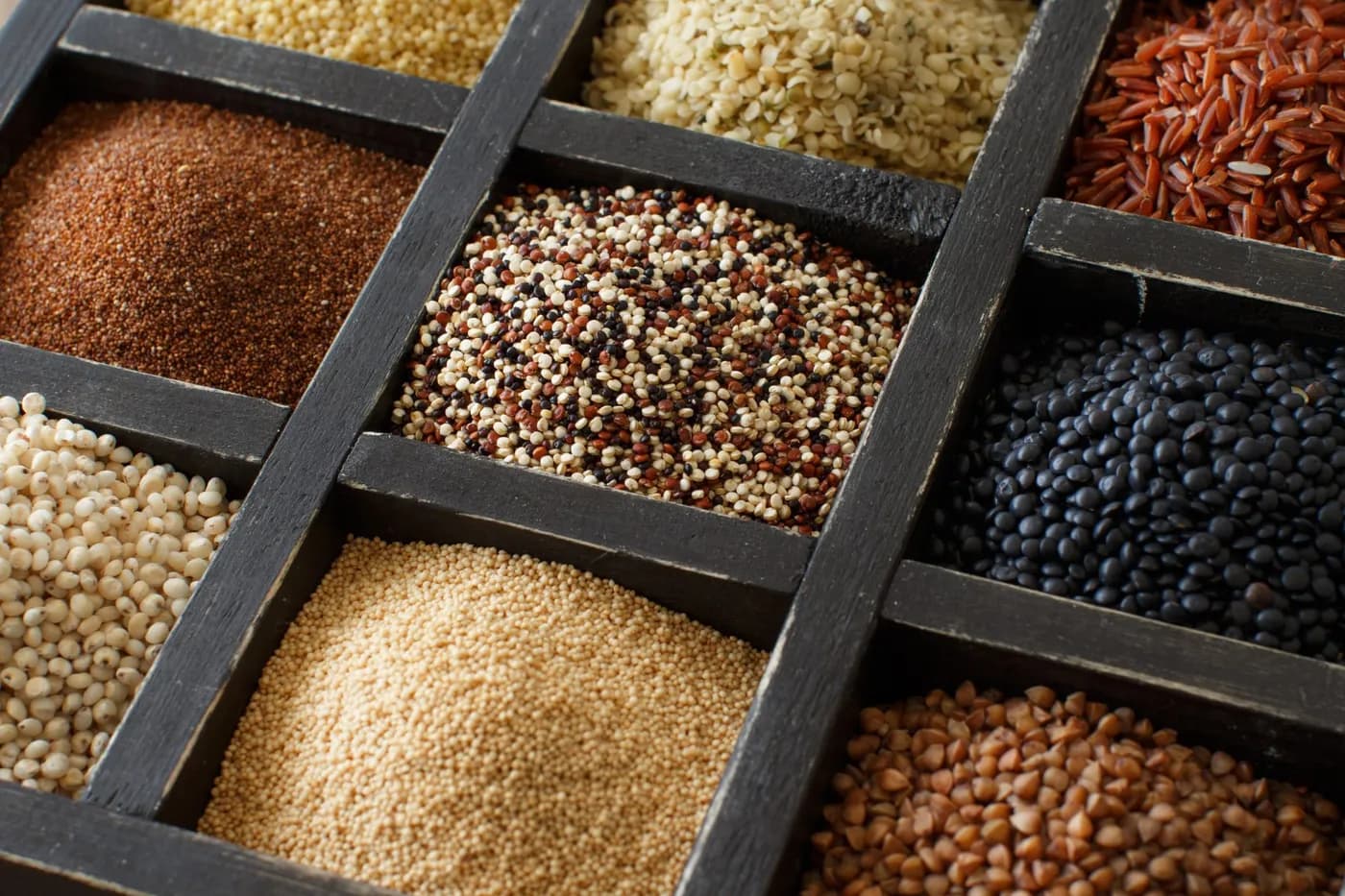
Millets are a group of small-seeded grains that includes pearl millet or bajra, finger millet or ragi, foxtail, little millet and others.
Key Takeaways
- Different millets have different nutrition profiles.
- Whole-grain forms generally retain more fibre than refined products.
- Millets still provide carbohydrate and affect blood glucose.
- Ragi is calcium-rich relative to many grains, but absorption and portion matter.
Millets are a group of small-seeded grains that includes pearl millet or bajra, finger millet or ragi, foxtail, little millet and others. Their nutrient profiles differ. They can diversify staple grains and provide carbohydrate, fibre and minerals, but they are not automatically superior to rice, wheat or oats. This guide examines the millet option without overstating what one food, habit or supplement can do.
Millet benefits beyond the headline
Bajra, ragi and other millets should not be treated as one food. Milling, fermentation, sprouting and cooking alter texture and nutrient availability. Gluten-free status applies naturally, but cross-contact can occur in processing.
How to assess the millet option claims
To judge millet benefits fairly, look beyond a positive headline. Study length, dose, comparison group and participant health all influence the result. Changes in a marker such as glucose, cholesterol or an antioxidant measurement do not automatically mean that people feel better or avoid disease.
How to interpret claims about the millet option
Before acting on a claim about millet benefits, identify whether it refers to normal intake, a high-dose product or treatment of a diagnosed condition. These are different questions. Personal testimonials cannot show how often a result occurs or whether another change caused it.
Making the millet option part of a balanced plate
- Make bajra roti with dal and vegetables.
- Use ragi dosa or idli with sambar for protein.
- Cook foxtail or little millet like rice and add beans.
- Rotate grains rather than replacing every staple at once.
Try millet benefits in a way that has a clear purpose and fits the existing routine. Change one variable at a time, then consider tolerance, cost and whether the intended benefit is actually noticeable. Continuing automatically because a product is fashionable is not a useful test.
Buying, storing and serving the millet option
Choose a form of millet benefits that suits the meal and budget. Whole, frozen and minimally processed versions can all be useful; sauces, syrups and coated products may have a different profile. Wash produce, refrigerate cut or cooked food promptly and vary it with other foods.
Who needs extra caution with the millet option
Increase fibre gradually and drink appropriately. People with coeliac disease should buy certified gluten-free products. Diabetes, kidney disease and digestive disorders may require portion or preparation changes. Store flour airtight because its fats can become rancid.
Individual responses to millet benefits vary. New pain, persistent vomiting, marked weakness, rash or other concerning changes are reasons to stop and obtain advice. Higher amounts are not a sensible response to uncertain benefit.
A sensible takeaway about the millet option
Millet benefits should be judged by what it adds, what it replaces and whether it creates any harm. Reliable evidence and everyday feasibility are stronger reasons to continue than testimonials. Reassess if the cost, restrictions or side effects outweigh the intended value.
Practical questions before you begin
The usefulness of millet benefits depends on the decision it supports. Ask whether the information applies to a food, supplement, symptom or clinical treatment, because each requires a different standard of evidence. Then compare the proposed choice with the realistic alternative. Adding something nutritious may help, but replacing a balanced meal or delaying appropriate care can change the conclusion completely. This comparison is more informative than asking whether the topic is simply good or bad.
Availability and consistency matter in practice. An expensive or complicated approach is unlikely to be sustained, even when it appears attractive on paper. For millet benefits, choose an option that fits familiar meals, preparation time and household needs. Comparable local foods or simpler habits may offer the same practical value. A flexible plan also makes it easier to maintain variety and reduces the chance that one highly promoted item dominates the diet.
Keeping expectations realistic
Use ordinary indicators to judge progress: appetite, digestion, energy, sleep, symptom frequency or relevant measurements recommended by a clinician. Record enough detail to see a pattern, but do not interpret every daily fluctuation. Give millet benefits only the time that is reasonable for the stated goal, then decide whether it was helpful, neutral or troublesome. If there is no clear benefit, continuing indefinitely or increasing the amount is unlikely to create a better-quality experiment.
A sensible plan includes a stopping rule. Decide in advance what lack of improvement, side effect or practical burden would lead you to reconsider millet benefits. This reduces the temptation to keep spending money or to assume that a stronger version must work better. When professional care is involved, share the exact product, preparation and amount rather than using a general name; formulations with similar branding can still produce very different exposures.
Revisit the decision about millet benefits when circumstances change. New medicines, pregnancy, worsening symptoms, altered activity or a different diagnosis can make earlier advice unsuitable. Otherwise, focus on the overall pattern and allow variety rather than repeatedly searching for a single best food or remedy. A practical choice that is safe, affordable and enjoyable is more likely to support health than a rigid plan built around marketing language.
Communication matters when several people influence the plan. Family advice, online claims and professional recommendations may use the same words while referring to different forms or amounts. For millet benefits, write down the exact question and bring the label or recipe when seeking guidance. Clear details help a clinician or dietitian identify relevant interactions, unrealistic expectations and safer substitutions without dismissing personal preferences or cultural eating patterns.
Editorial sources
Frequently Asked Questions
Related Articles
Semolina Nutrition, Benefits, Portions and Meal Ideas
Semolina, commonly called sooji or rava, is a coarse wheat product used in upma, idli, halwa and pasta.

Roughage Meaning: Fibre Types, Food Sources and Safety
Roughage is an older everyday term for dietary fibre—the parts of plant foods that are not fully digested in the small intestine.
Magnesium: What It Does, Uses and Safety
Magnesium is discussed for nutrition or wellness, but needs differ from person to person. Food sources and supplements do not always act in the same way.
