
Semolina Nutrition, Benefits, Portions and Meal Ideas
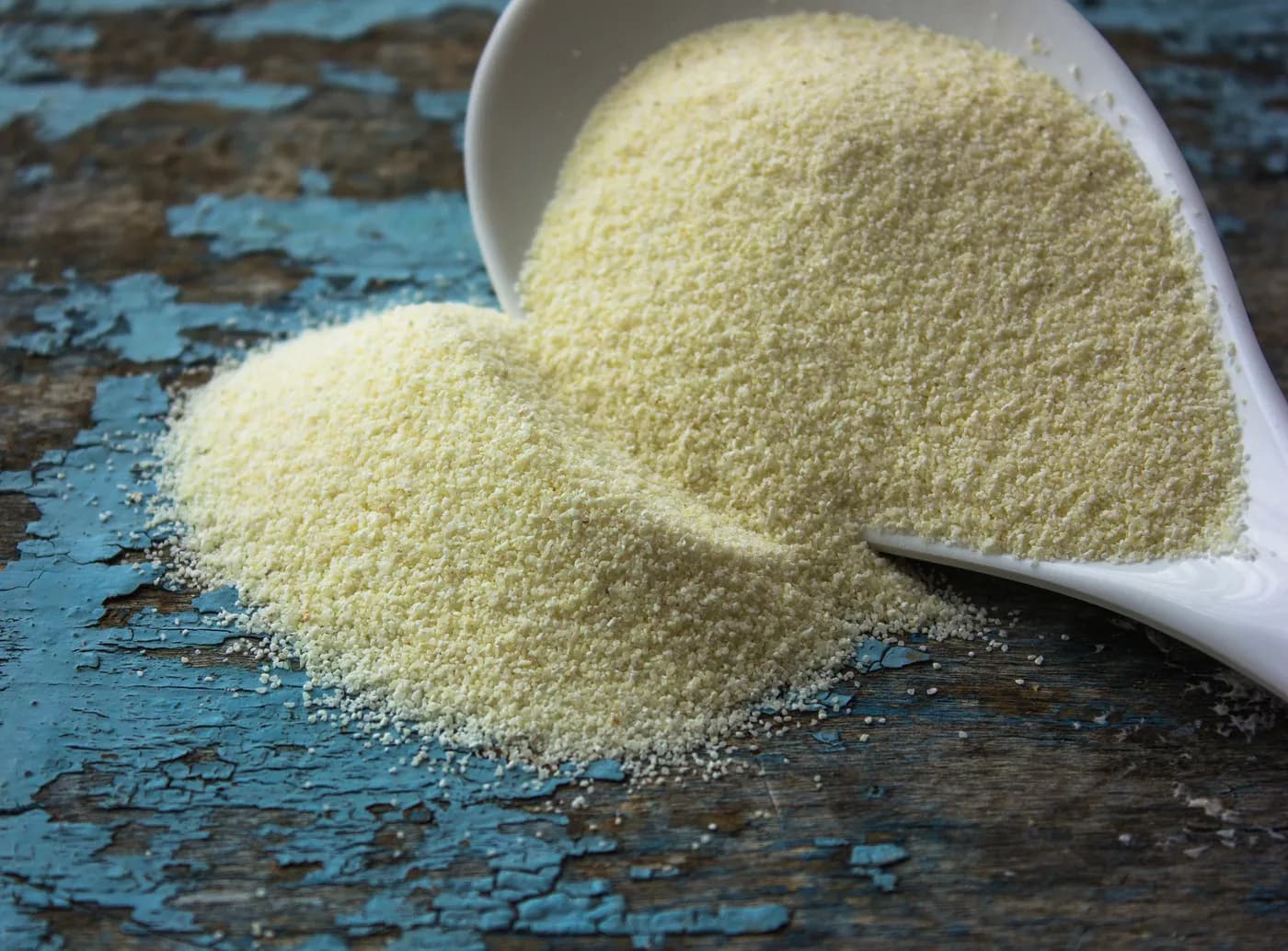
Semolina, commonly called sooji or rava, is a coarse wheat product used in upma, idli, halwa and pasta.
Key Takeaways
- Semolina is made from wheat and contains gluten.
- It provides carbohydrate, with moderate protein and usually limited fibre.
- Vegetables and protein foods make semolina meals more balanced.
- Halwa and fried preparations can be high in sugar or fat.
Semolina, commonly called sooji or rava, is a coarse wheat product used in upma, idli, halwa and pasta. It provides carbohydrate and some protein; enriched varieties may contain added iron and B vitamins. It contains gluten and is not suitable for coeliac disease. This guide examines the semolina option without overstating what one food, habit or supplement can do.
Semolina nutrition: the useful starting point
Durum semolina is common in pasta, while Indian sooji may be milled from different wheat. Nutrient values therefore vary. Whole-wheat or higher-fibre versions generally contain more fibre than refined semolina. Check the ingredient list rather than assuming all “rava” is identical.
What research can—and cannot—say about the semolina option
To judge semolina nutrition fairly, look beyond a positive headline. Study length, dose, comparison group and participant health all influence the result. Changes in a marker such as glucose, cholesterol or an antioxidant measurement do not automatically mean that people feel better or avoid disease.
How to interpret claims about the semolina option
Before acting on a claim about semolina nutrition, identify whether it refers to normal intake, a high-dose product or treatment of a diagnosed condition. These are different questions. Personal testimonials cannot show how often a result occurs or whether another change caused it.
Easy ways to include semolina nutrition
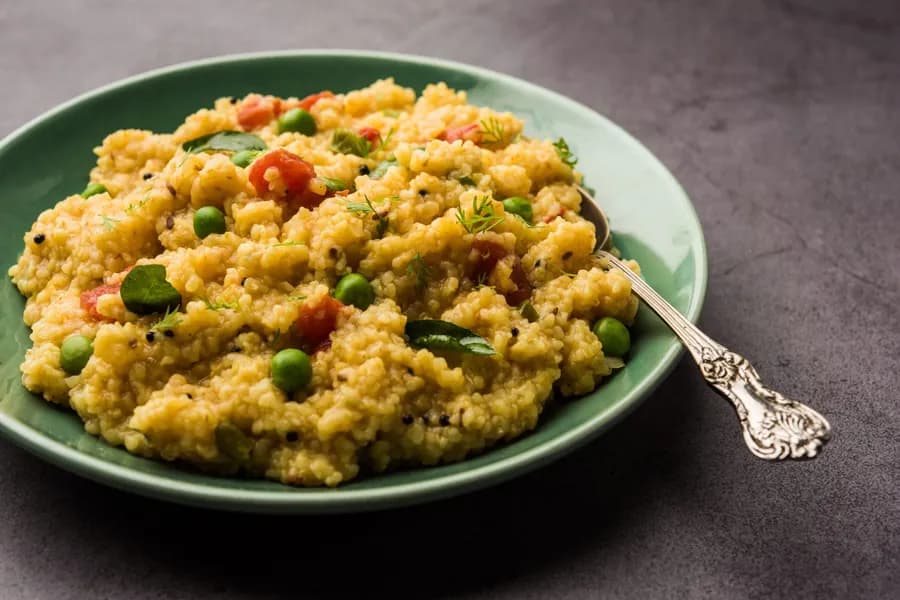
- Make vegetable upma with peas and serve with curd.
- Use semolina idli with sambar for pulses and vegetables.
- Choose pasta portions alongside beans and a vegetable sauce.
- Treat halwa as a sweet dish rather than a health food.
Try the semolina option in a way that has a clear purpose and fits the existing routine. Change one variable at a time, then consider tolerance, cost and whether the intended benefit is actually noticeable. Continuing automatically because a product is fashionable is not a useful test.
Buying, storing and serving semolina nutrition
Choose a form of the semolina option that suits the meal and budget. Whole, frozen and minimally processed versions can all be useful; sauces, syrups and coated products may have a different profile. Wash produce, refrigerate cut or cooked food promptly and vary it with other foods.
Possible drawbacks and warning signs
Wheat allergy and coeliac disease require strict avoidance. People with diabetes can include it within a carbohydrate plan, but preparation and portion matter. Store dry semolina sealed and discard it if it smells rancid or shows insects or mould.
Individual responses to semolina nutrition vary. New pain, persistent vomiting, marked weakness, rash or other concerning changes are reasons to stop and obtain advice. Higher amounts are not a sensible response to uncertain benefit.
Putting the semolina option into perspective
Semolina nutrition should be judged by what it adds, what it replaces and whether it creates any harm. Reliable evidence and everyday feasibility are stronger reasons to continue than testimonials. Reassess if the cost, restrictions or side effects outweigh the intended value.
From information to an everyday decision
Begin by defining what you expect semolina nutrition to change. A broad aim such as “better health” is difficult to judge, whereas a specific goal—improving variety, solving a preparation problem or discussing a symptom—can be reviewed. Consider the starting point, the time needed for a meaningful change and other habits that influence the same outcome. This prevents normal day-to-day variation from being mistaken for proof that one ingredient or practice is working.
Context also determines whether a claimed advantage is relevant. A nutrient-rich item can support dietary quality without producing a drug-like effect, and an improvement in a laboratory marker may not translate into a noticeable health outcome. When considering semolina nutrition, look for the absolute size of any reported effect and the duration of follow-up. Small short-term studies can suggest possibilities, but they should not be converted into guaranteed results for everyone.
Common mistakes to avoid with semolina
Watch for unintended trade-offs while trying semolina nutrition. A restrictive rule may reduce dietary variety; a drink may add sugar or acidity; a supplement may overlap with medicines; and a large serving may cause digestive discomfort. Review the complete pattern rather than focusing only on the advertised feature. The aim is a net improvement that can be maintained comfortably, not perfect adherence to a trend or an arbitrary target.
Common warning signs include escalating the amount, combining several products with similar ingredients or relying on testimonials in place of reliable guidance. Stop and seek advice if a new rash, persistent digestive symptoms, unusual weakness or another concerning change follows use. Urgent symptoms need urgent care. Discuss semolina nutrition with a qualified professional when regular medication, surgery, pregnancy or a chronic condition makes interactions or restrictions more likely.
Ultimately, semolina nutrition is one part of a larger picture. Its value should be assessed by the quality it adds, the alternative it replaces and any inconvenience or adverse effect it creates. Clear goals and accurate labels make that assessment easier. Where evidence is uncertain, the honest conclusion is uncertainty—not a promise. Choosing a moderate, sustainable approach usually provides more useful information than pursuing rapid change through unusually large portions or concentrated products.
Communication matters when several people influence the plan. Family advice, online claims and professional recommendations may use the same words while referring to different forms or amounts. For semolina nutrition, write down the exact question and bring the label or recipe when seeking guidance. Clear details help a clinician or dietitian identify relevant interactions, unrealistic expectations and safer substitutions without dismissing personal preferences or cultural eating patterns.
Editorial sources
Frequently Asked Questions
Related Articles
Millet Benefits: Nutrition, Portions and Cooking Ideas
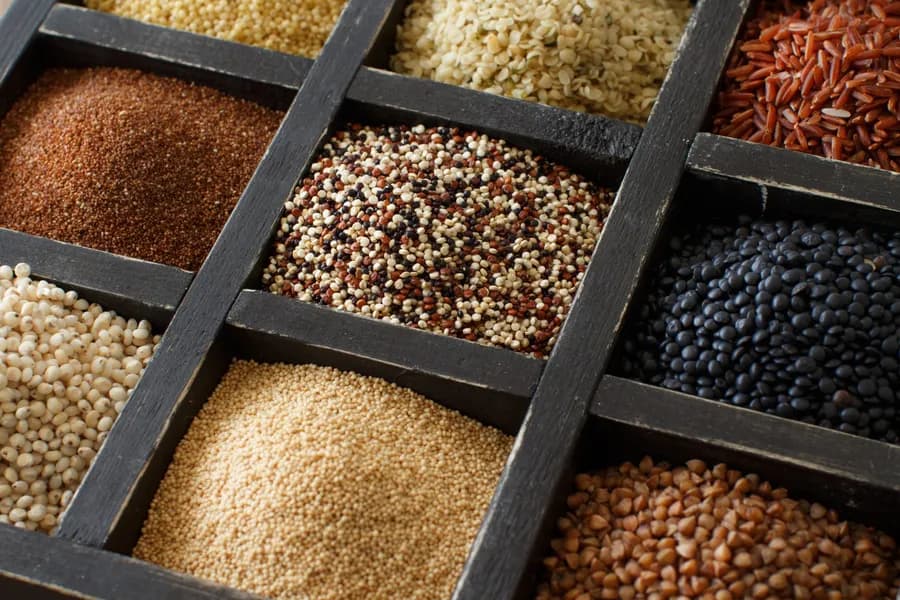
Millets are a group of small-seeded grains that includes pearl millet or bajra, finger millet or ragi, foxtail, little millet and others.

Green Peas Benefits, Nutrition, Portions and Uses
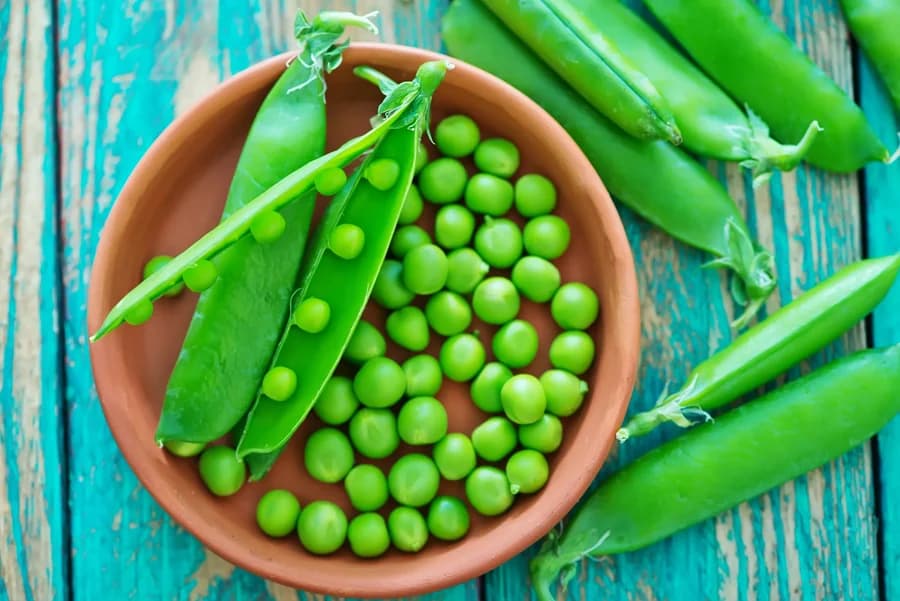
Green peas are legumes harvested while young and commonly treated as a vegetable.


Vegetarian protein: needs, myths and meal planning
Vegetarian meals can provide enough protein. Learn practical needs, simple Indian food sources, common myths and an easy meal-planning method.