
Mint Leaves Benefits, Uses and Safety
How to use fresh mint (pudina) in everyday food, what the evidence shows, why it can trigger reflux and how peppermint oil differs.
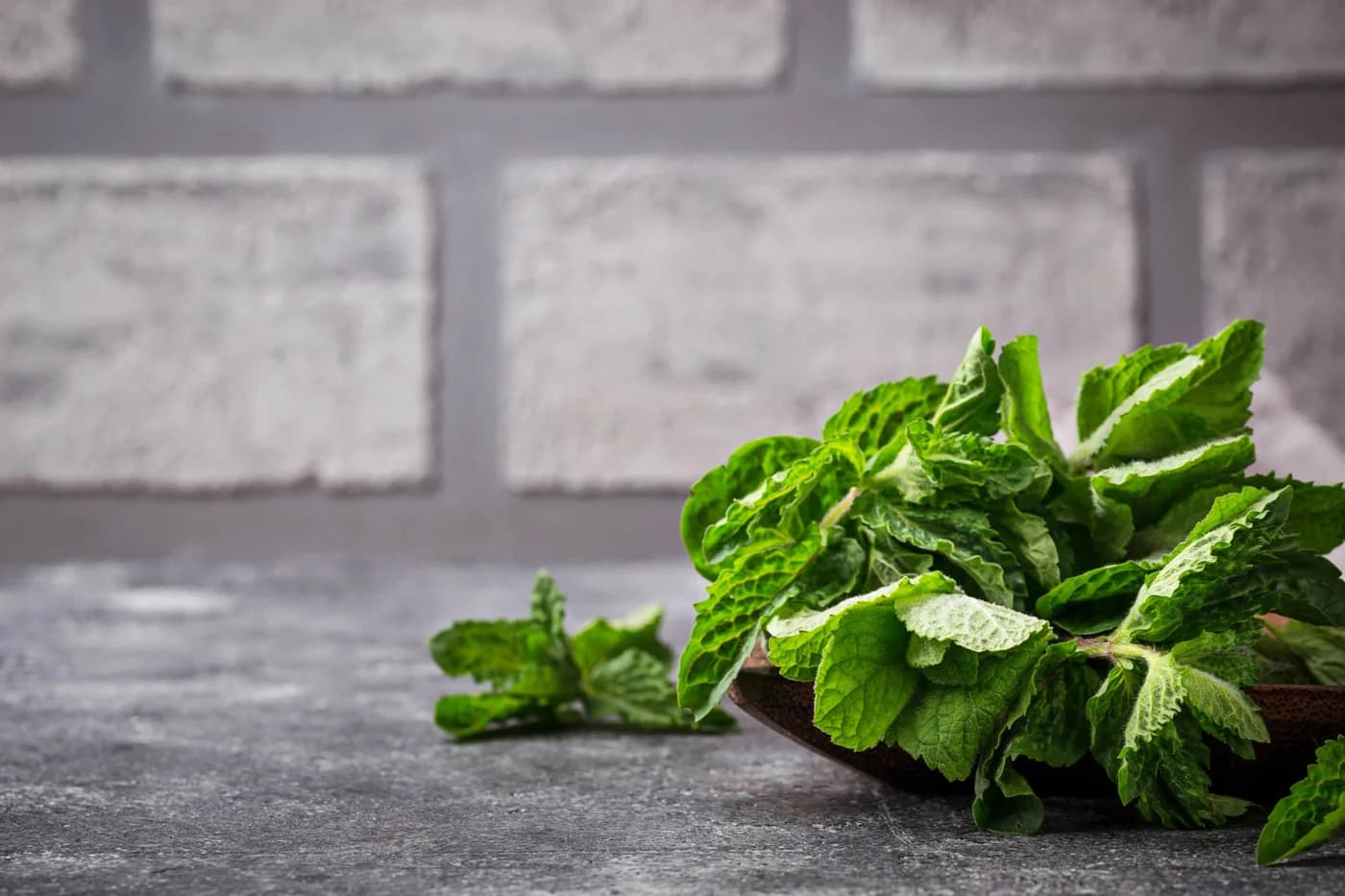
Key Takeaways
- Mint adds fresh flavour with little energy and can make unsweetened food and drinks appealing.
- Fresh mint differs from peppermint oil, capsules and concentrated extracts.
- Mint may worsen heartburn or reflux in some people despite its cooling feel.
- Mint water does not detox the body; never swallow essential oil without advice.
Mint leaves (pudina) add fresh flavour with very little energy and provide small amounts of micronutrients and plant compounds. Peppermint, spearmint and other species are not identical, and fresh leaves are very different from peppermint oil or capsules. This guide covers how to use mint in everyday food, what the evidence shows and when to be careful.
Fresh mint is a flavour ingredient first
The most useful thing mint does is make food and drinks taste brighter. That can make it easier to enjoy unsweetened drinks, raita, salads and vegetable dishes, and to use less sugar or salt in some recipes. A garnish or a few leaves, however, is a small serving, so mint should not be expected to supply meaningful amounts of vitamins or minerals.
What evidence about mint does and does not show
Research on enteric-coated peppermint-oil capsules for specific digestive conditions, such as irritable bowel syndrome, uses a defined dose, a special coating and selected patients. Those findings cannot be transferred to mint water, chutney or a few fresh leaves, and they should not be copied with homemade mixtures.
A cooling sensation in the mouth does not mean body temperature has fallen or that the digestive system has been "detoxed". The liver and kidneys already process and remove waste products. Mint water has not been shown to cleanse organs, melt belly fat or cure acidity; any advantage from replacing a sugary drink comes mainly from cutting the sugar.
Using mint in familiar meals
Chutney, raita, salads and drinks
- Blend mint with coriander, lemon and spices for a green chutney.
- Stir chopped leaves into raita or a cucumber salad.
- Add leaves to fruit, salads or a vegetable pulao for freshness.
- Steep a few leaves in water for flavour, keeping added sugar and salt modest.
Plain water remains the main choice for hydration, and there is no need for a daily empty-stomach mint drink. People managing blood glucose should count any sugar, honey or syrup added to mint beverages. Mint tea made from leaves is usually mild, but some commercial blends also contain liquorice, caffeine or laxative herbs, so read the full ingredient list.
Keeping a bunch fresh
Choose lively leaves without slime, mould or extensive blackening. Rinse under clean running water, dry gently and refrigerate in a clean container with excess moisture controlled. Trim damaged stems and plan two uses for one bunch, such as raita today and chutney tomorrow. Refrigerate leftover chutney promptly in a covered container, and do not keep topping up an old bottle of infused water. In restaurants or street drinks, ice and water quality matter more than the mint.
Mint and reflux
Mint is commonly listed among foods that can trigger heartburn, possibly because it may relax the valve between the stomach and the food pipe. If fresh mint feels comfortable, use a normal culinary amount. If it brings on burning, a sour taste or chest discomfort, reduce it or choose another herb such as coriander, basil or dill. Do not assume that stronger tea or essential oil will work better.
Persistent bloating, abdominal pain, vomiting, bleeding or unexplained weight loss need medical assessment. No home drink should delay that.
Mint and oral freshness
Chewing mint or using it in food can freshen the mouth temporarily, but it does not treat tooth decay, gum disease or persistent bad breath. Ongoing odour may relate to dental problems, dry mouth, reflux or smoking, and needs a dental review. Sugary mint sweets and drinks can work against oral health.
Essential oil needs different caution
Peppermint essential oil is highly concentrated: a few drops can represent far more plant material than a cup of tea. Swallowing it without qualified advice can be unsafe, especially for children. Keep oils out of children's reach and never apply concentrated oil near an infant's face. Allergy to mint is uncommon but possible. Pregnancy, breastfeeding and regular medicines warrant professional advice before using concentrated mint products. For the Ayurvedic view of pudina, see our separate pudina herb profile.
The bottom line
Mint leaves are easiest to appreciate in the kitchen, for aroma, colour and brightness in food. A small handful used well is enough. They are not a substitute for vegetables, medicines or a balanced diet.
Editorial sources
Frequently Asked Questions
Related Articles
Pudina: Benefits, Uses & Ayurvedic Properties
Pudina (Mint) is a cooling Ayurvedic herb that balances Pitta and Kapha doshas. Discover its health benefits, Ayurvedic properties, uses, and precautions.

Cilantro: Nutrition, Uses and Food-Safety Tips
What cilantro adds to a meal, how to buy, wash and store it safely, using the stems, warfarin advice and the truth about detox claims.


Acidity Home Remedies (Heartburn & GERD Relief Guide)
Acidity is a burning sensation in the chest or throat after eating, caused by stomach acid moving up the food pipe. See home remedies for instant relief.