Cilantro: Nutrition, Uses and Food-Safety Tips
What cilantro adds to a meal, how to buy, wash and store it safely, using the stems, warfarin advice and the truth about detox claims.

Key Takeaways
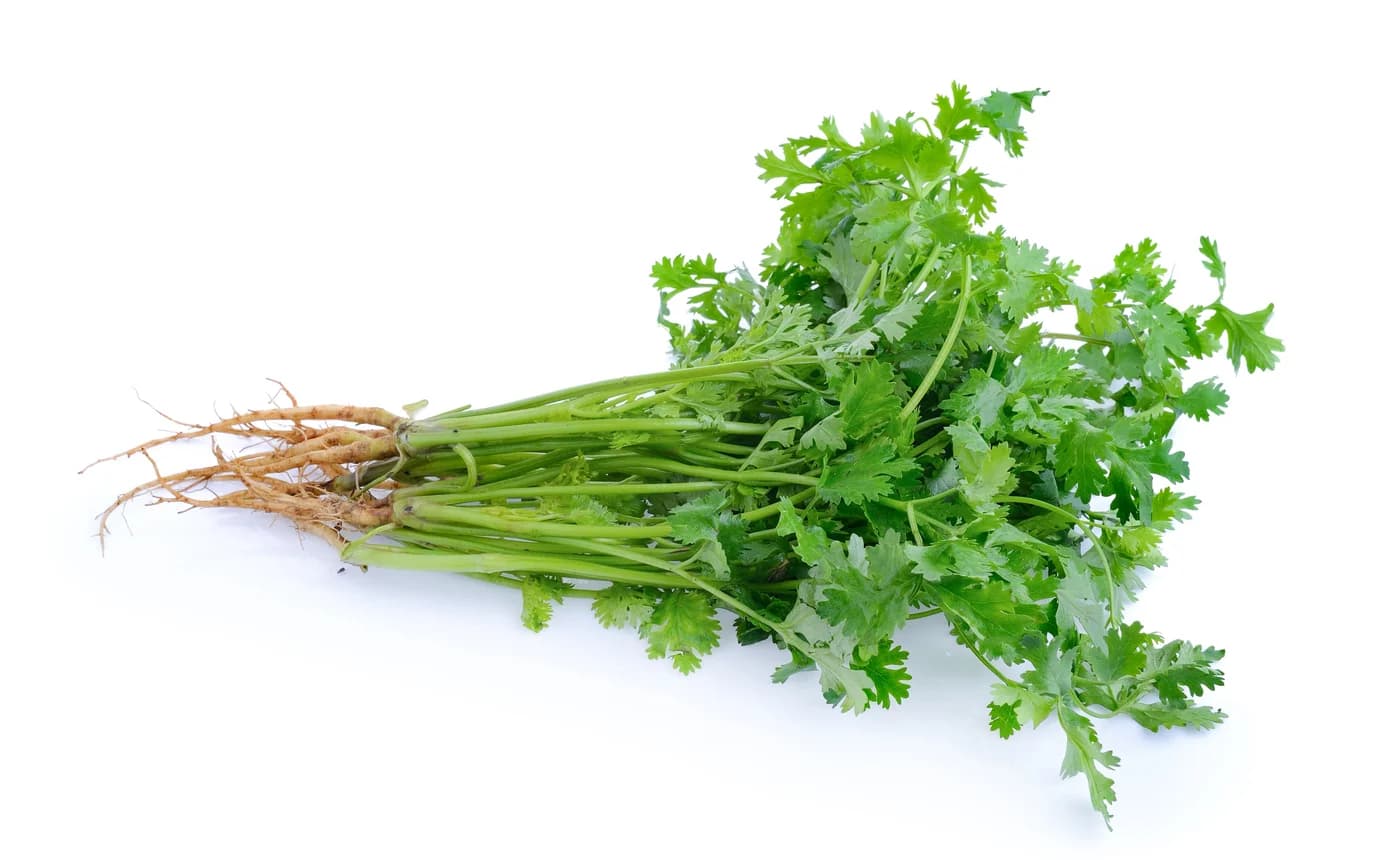
- Cilantro is the fresh leaf and stem of the coriander plant; the seeds are a separate spice.
- A garnish adds vitamin K and flavour, but normal portions are nutritionally modest.
- Rinse under cool running water and dry well; never wash herbs with soap or disinfectant.
- Eating cilantro is not a proven treatment for heavy-metal poisoning or "detox".
A handful of cilantro can change a bowl of dal, chutney or salad more dramatically than its size suggests. The leaves and tender stems bring a bright, citrus-like aroma and small amounts of several micronutrients. The most dependable cilantro benefits are culinary: it makes simple vegetarian food lively, which can help people rely less on excessive salt or heavy sauces.
Cilantro and coriander: one plant, different parts
Cilantro is the fresh leaf and stem of the coriander plant, often called hara dhania in Indian kitchens. "Coriander" frequently refers to the dried seeds, which taste warm and floral rather than green and bright. The two are used differently in cooking and should not be treated as interchangeable.
Why cilantro tastes so distinctive
Cilantro contains aromatic aldehydes that many people experience as fresh and lemony. Genetic differences partly explain why others perceive a soapy note, although repeated exposure and the way it is chopped or paired can soften that impression. Disliking the herb is not a health problem; mint, parsley or spring-onion greens can provide a different fresh finish.
Nutrition in context
The leaves contain vitamin K and small amounts of vitamins A and C, folate and potassium. Because a garnish weighs little, it cannot carry the nutritional load of a plate or replace a supplement. Treat it as a flavour-building herb alongside substantial foods such as lentils, beans, vegetables, whole grains, curd, tofu or paneer. Realistic cilantro benefits come from regular use across many meals, not from one large serving.
Does cilantro detox the body?
Some claimed cilantro benefits go much further: the herb is sometimes marketed as a chelator that removes mercury or other metals. Laboratory findings and small exploratory studies do not establish that eating the herb treats heavy-metal poisoning. Suspected exposure requires proper testing and medical management; replacing that care with juices, drops or concentrated cilantro preparations may delay effective treatment.
Vitamin K and warfarin
Fresh cilantro contributes vitamin K, which is needed for normal blood clotting and bone proteins. People taking warfarin are generally advised to keep vitamin K intake reasonably consistent rather than suddenly avoiding every green food. A clinician or anticoagulation team can help fit herbs and vegetables into a stable eating pattern.
Buying, washing and storing cilantro
How to buy it
Choose bunches with crisp green leaves and no slimy patches or sour smell. Yellowing is mainly a quality issue, whereas decay signals that the herb should be discarded. Buy an amount you can finish within several days; a large bargain bunch is not useful if half becomes wet and spoiled.
Washing without damaging the leaves
Remove ties, separate the stems and rinse under cool running water while gently rubbing away soil. Do not wash produce with soap, bleach or household disinfectant. Dry the herb well in a clean towel or salad spinner, because trapped moisture speeds deterioration and makes chopped leaves clump.
Storage that preserves aroma
Refrigerate cilantro promptly. One method is to stand trimmed stems in a jar with a little water, loosely cover the leaves and change the water when it turns cloudy. Another is to wrap dry sprigs in a barely damp towel inside a container. Chop only what you need, because cut surfaces lose aroma faster.
Food-safety perspective
Like other raw herbs, cilantro may carry microbes from soil, water or handling. Rinsing reduces surface dirt but does not sterilise it, so refrigeration, clean hands and clean chopping boards still matter. Pregnant people, older adults and anyone with reduced immunity should be especially careful about damaged bunches and cross-contamination.
Cooking with leaves and stems
Tender stems have plenty of flavour and work well in chutney, salsa, soup, pulao and marinades; slice them finely or blend them, and save the delicate leaves for the final garnish. Adding most cilantro near the end of cooking protects its fresh aroma, while a smaller cooked portion can season the base.
The herb shines when a dish also has acidity and contrast. Try leaves with lemon in poha, stems in green chutney, or a final handful over rajma just before serving. If the flavour feels overpowering, chop it finely and combine it with mint. To get the most from each bunch and cut waste, plan two uses, perhaps chutney one day and a dal garnish later.
Editorial sources
Frequently Asked Questions
Related Articles
Spinach Benefits: Nutrition and Simple Meal Ideas
Spinach provides folate, vitamin K and carotenoids. Learn its benefits, cooking tips, iron facts and cautions for warfarin or kidney stones.
Microgreens Benefits: Nutrition and Food Safety
Microgreens are young edible seedlings harvested after cotyledons develop. Nutrient levels vary by species and growing conditions.

Pudina: Benefits, Uses & Ayurvedic Properties
Pudina (Mint) is a cooling Ayurvedic herb that balances Pitta and Kapha doshas. Discover its health benefits, Ayurvedic properties, uses, and precautions.