
Mulberry Benefits : Nutrition, Portions and Safety
Mulberries are delicate berries eaten fresh, dried or cooked. Learn about practical uses, portions and safety.
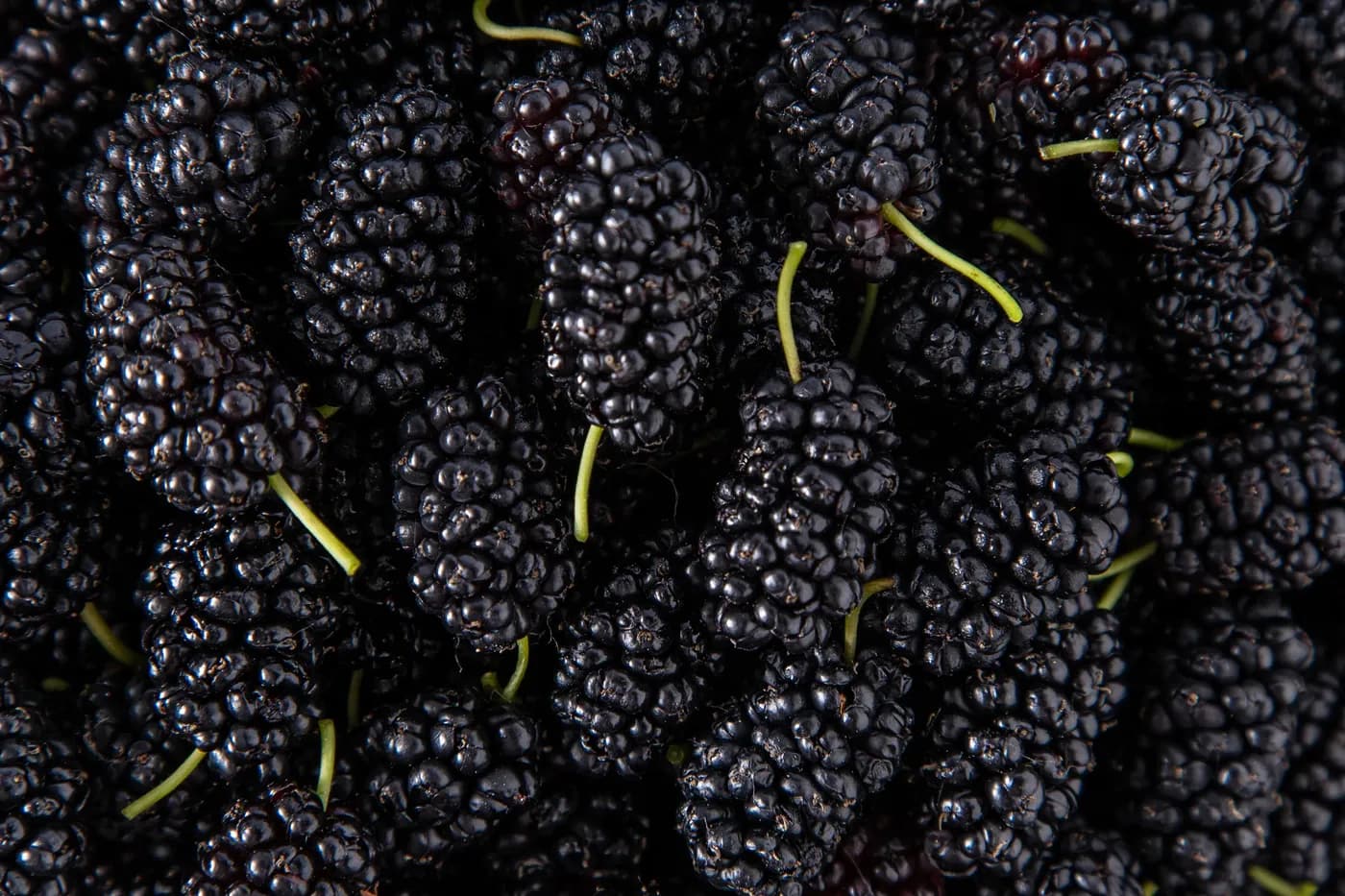
Key Takeaways
- Fresh and dried mulberries have different energy density.
- The fruit contributes fibre, vitamin C and plant pigments.
- It cannot treat diabetes, anaemia or high cholesterol.
- Wash fresh berries and introduce larger portions gradually.
Mulberries are delicate berries eaten fresh, dried or cooked. Fresh fruit provides water, carbohydrate, fibre and vitamin C, while dried mulberries are more concentrated in energy and sugar per handful. Research on extracts should not be used to promise the same effects from ordinary fruit. This guide examines the mulberry option without overstating what one food, habit or supplement can do.
Before making decisions about mulberry benefits
Red, black and white mulberries come from different Morus species. Colour and nutrient values vary by variety and ripeness. Mulberry leaf tea and concentrated extracts are separate products with different safety questions and should not be treated as a serving of fruit.
Where claims about mulberry benefits come from
Research on the mulberry option needs to be matched to the preparation actually discussed. A finding from an extract, tablet or tightly controlled intervention may not describe an ordinary meal or household product. Useful studies state who participated, what was compared and whether the outcome made a practical difference.
How to interpret claims about mulberry benefits
The relevance of the mulberry option depends on the person as much as the ingredient. Age, symptoms, allergies, medicines, pregnancy, activity and the rest of the diet can change both benefit and risk. Advice should therefore be proportionate to the evidence rather than presented as a universal rule.
Easy ways to include mulberry benefits
- Eat a small bowl of fresh berries with curd.
- Add a spoonful of dried berries to oats with nuts.
- Cook fresh berries into an unsweetened compote.
- Use frozen fruit when fresh mulberries are unavailable.
For the mulberry option, practicality matters: the best option is one that can be used safely, afforded consistently and integrated without unnecessary restriction. Record the amount or method when monitoring an outcome, and set a reasonable point for deciding whether to continue.
Serving size and food safety
Cooking does not make mulberry benefits automatically better or worse. Heat, soaking, grinding and added ingredients change different qualities in different ways. Use a familiar portion, follow food-safety guidance and choose a method that makes the food enjoyable without turning it into a remedy.
Possible drawbacks and warning signs
Large portions may cause loose stools or bloating. People using glucose-lowering medicines should not add mulberry leaf supplements without advice. Allergy is possible. Discard mouldy fruit and refrigerate fresh berries promptly because they spoil quickly.
Safety advice for mulberry benefits should reflect the actual form and amount. Stop for a suspected allergic reaction or significant new symptoms, and seek urgent help for breathing difficulty, collapse or severe swelling. Pregnancy, breastfeeding, childhood and chronic disease often require more individual guidance.
Putting the mulberry option into perspective
The best conclusion about mulberry benefits is neither automatic approval nor fear. Consider the evidence, the complete diet or treatment plan and personal tolerance. Continue only when there is a clear reason, and use professional assessment when symptoms or medicines make the decision more complex.
Questions worth asking about mulberry
Before changing a routine around mulberry benefits, take stock of the current diet, symptoms and medicines. This baseline makes later observations more meaningful and can reveal that the main issue lies elsewhere. For example, irregular meals, low overall intake, poor sleep or an unsuitable product may matter more than one highlighted nutrient. Keep the question narrow enough to answer and avoid changing several foods, supplements or treatments at the same time.
Individual needs can alter the advice. Children, older adults, athletes and people who are pregnant may have different requirements, while kidney, liver, digestive or metabolic conditions can limit otherwise ordinary choices. Allergies, cultural preferences, budget and access matter as well. If mulberry benefits is being considered for a diagnosed problem, use the treatment plan and recent clinical advice as the reference point instead of copying another person’s portion, dose or schedule.
Making the advice work for your routine
Labels and preparation deserve a second look before mulberry benefits becomes routine. Check the full ingredient list, serving basis, allergens and storage instructions, and distinguish a plain food from a sweetened, salted or concentrated version. At home, use clean equipment and appropriate refrigeration. These details may seem less exciting than a benefit claim, yet they often determine the product’s nutritional value, tolerability and safety in everyday use.
Avoid judging safety only by whether something is described as natural or traditional. Risk is shaped by concentration, contamination, route of use, frequency and personal health. With mulberry benefits, ordinary culinary exposure may not resemble an extract or topical product. Keep concentrated items away from children, follow the intended route, and never use a supplement as a reason to stop prescribed medicine without guidance from the professional managing that treatment.
The most durable approach is to place mulberry benefits within a varied diet and realistic daily routine. Evidence can guide the choice, while personal response and safety determine whether it should continue. Keep claims modest, favour transparent products and review the result rather than assuming benefit. This balanced approach leaves room for a useful option without making it responsible for outcomes that depend on overall nutrition, activity, sleep, health conditions and appropriate medical care.
Another useful check is whether the recommendation respects normal variation between people and across days. Appetite, symptoms and performance do not remain constant, so a single good or bad experience cannot establish a pattern. When reviewing mulberry benefits, compare several ordinary occasions and keep the rest of the routine reasonably stable. This makes the conclusion less vulnerable to expectation, coincidence or a simultaneous change that was not recorded.
Editorial sources
Frequently Asked Questions
Related Articles
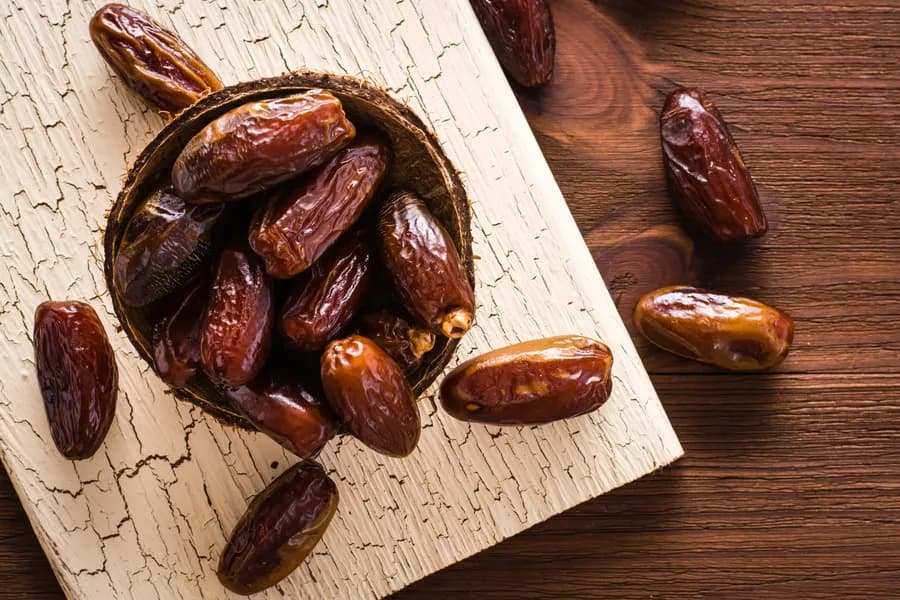
Medjool Dates Benefits, Nutrition, Portions and Safety
Medjool dates are large, soft dried fruits that provide carbohydrate, fibre, potassium and small amounts of other minerals.

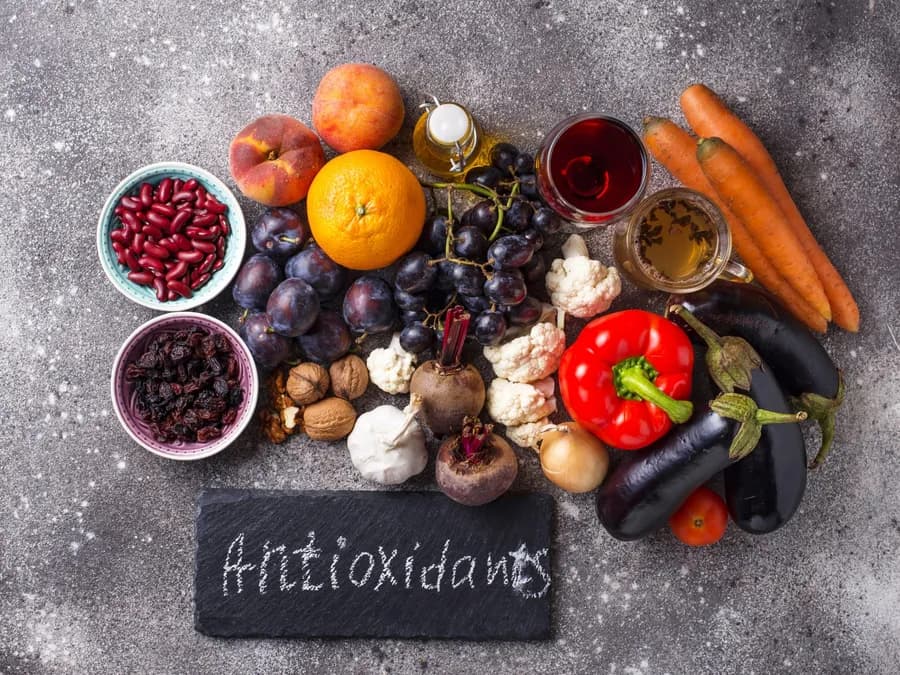
Antioxidants: Nutrition Facts, Uses and Safety
Antioxidants can add variety, flavour and useful nutrients to a vegetarian eating pattern. Its exact nutrition depends on the form, serving and.