
Okra: Nutrition, Cooking and Everyday Benefits
Okra, or bhindi, is a fibre-rich vegetable that fits easily into Indian meals and adds variety to a balanced diet.
Key Takeaways
- Okra is low in energy and provides fibre, folate, vitamin C and vitamin K.
- Its sliminess comes from mucilage, a soluble fibre, and can be reduced with dry pods and high heat.
- Frying can add a lot of oil; roasting, sauteing or air-frying gives a lighter bhindi.
- Okra water is not a replacement for diabetes care or prescribed medicine.
Okra, or bhindi, is a fibre-rich vegetable that fits easily into Indian meals. Its value comes from regular use within a varied diet, not from claims that okra water can cure diabetes or another condition.
What okra provides
Okra is low in energy and contributes fibre, folate, vitamin C and vitamin K. A serving supports vegetable variety but cannot meet every nutrient need on its own. The practical okra benefits come from eating it regularly as one of several vegetables, prepared in a way that keeps added oil and salt in check.
Why it becomes sticky
Cut pods release mucilage, a soluble fibre that thickens stews and curries. The texture is natural, not a sign that the vegetable is spoiled. In dishes such as kadhi-style gravies or soups, this thickening can be useful rather than a problem.
Cooking with less slime
Wash the pods and dry them fully before cutting, cut them shortly before cooking and avoid overcrowding the pan. High heat, or acidic ingredients such as amchur, lemon or tomato, help when a drier texture is preferred. Stirring less often also helps the pieces stay separate.
Oil changes the dish
Bhindi can absorb considerable oil during frying, which turns a light vegetable into an energy-dense side. Measure the oil and use roasting, sautéing or air-frying when a lighter preparation is wanted. Bharwan bhindi and crisp fried versions can still be enjoyed, just less often and in sensible portions.
Okra and blood glucose
Fibre can support a balanced meal, but okra does not cancel the carbohydrate in the rest of the plate or replace medicine. Personal glucose responses and the full plate matter more than any single vegetable. People with diabetes should continue their prescribed treatment and discuss diet changes with their care team.
The truth about okra water
Soaking sliced pods overnight produces a thick drink, yet evidence is insufficient to present it as a diabetes treatment or a detox practice. Okra water is not a replacement for diabetes care. Eating the whole vegetable as part of a meal is a more reliable way to get its fibre.
Pairing it in meals
Serve okra with dal, curd, tofu or paneer and a measured portion of roti, rice or millet. This creates a more complete meal than a large bowl of fried bhindi on its own. Adding onion, tomato and spices brings flavour without needing extra oil.
Buying and storage
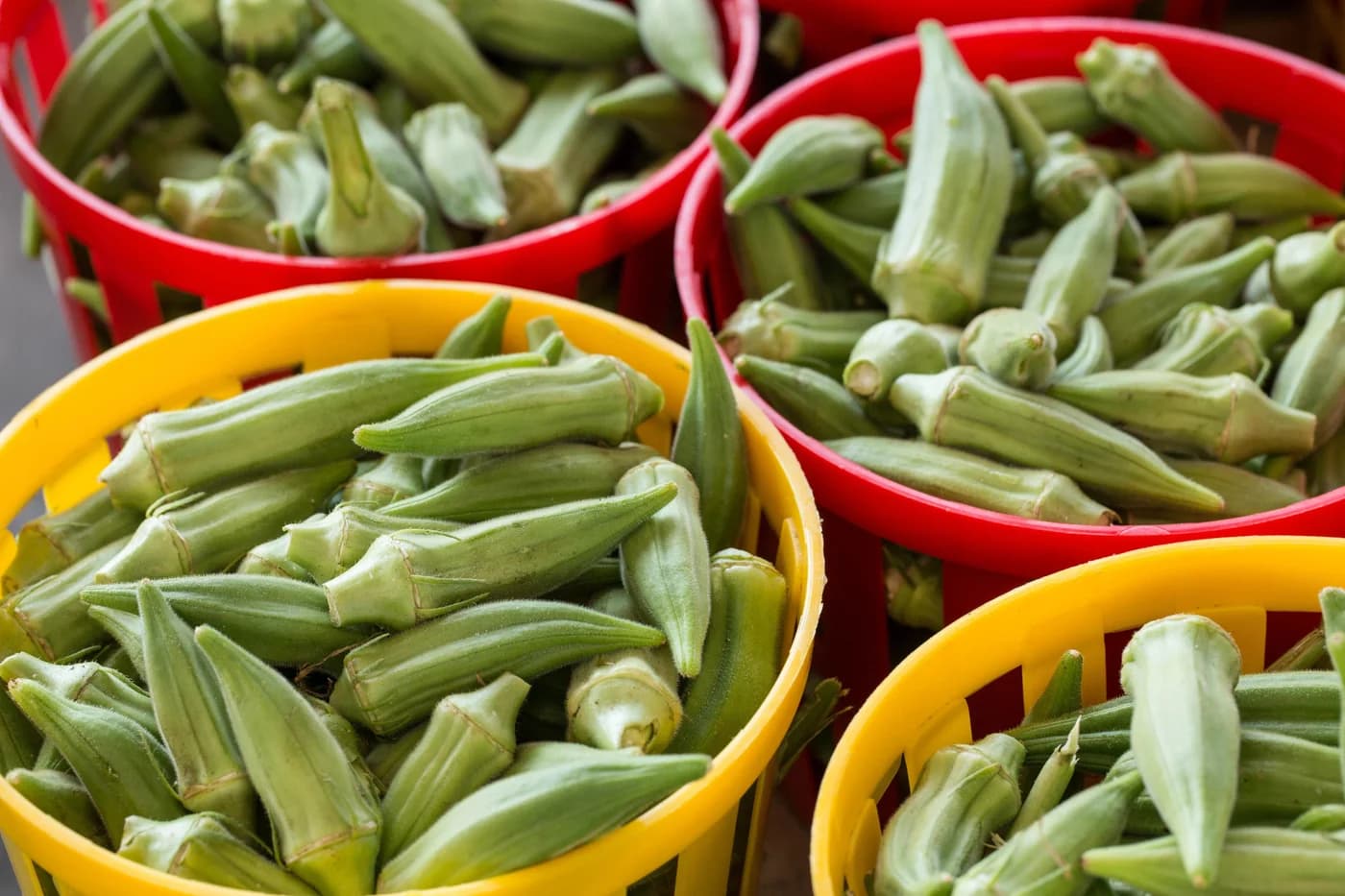
Choose small, firm, bright pods without deep bruises or slimy patches. Very large pods can be woody. Refrigerate them dry, ideally in a paper bag or loosely wrapped, and cook within a few days for better texture.
Food safety
Wash whole pods under clean running water before cutting, not after, so that less water is trapped inside. Refrigerate cooked leftovers promptly and reheat them thoroughly.
When digestion is sensitive
A sudden increase in fibre can cause gas or bloating. Begin with a comfortable portion, increase gradually and drink enough fluids. Seek medical care for persistent abdominal pain or ongoing changes in bowel habits.
Freezing and seasonal use
Frozen okra can be practical when fresh pods are unavailable. Cook it from frozen according to the pack rather than thawing it into a wet pile, which can soften the texture. Frozen vegetables remain nutritious; the final meal depends more on preparation, oil, salt and what is served alongside them.
Editorial sources
Frequently Asked Questions
Related Articles
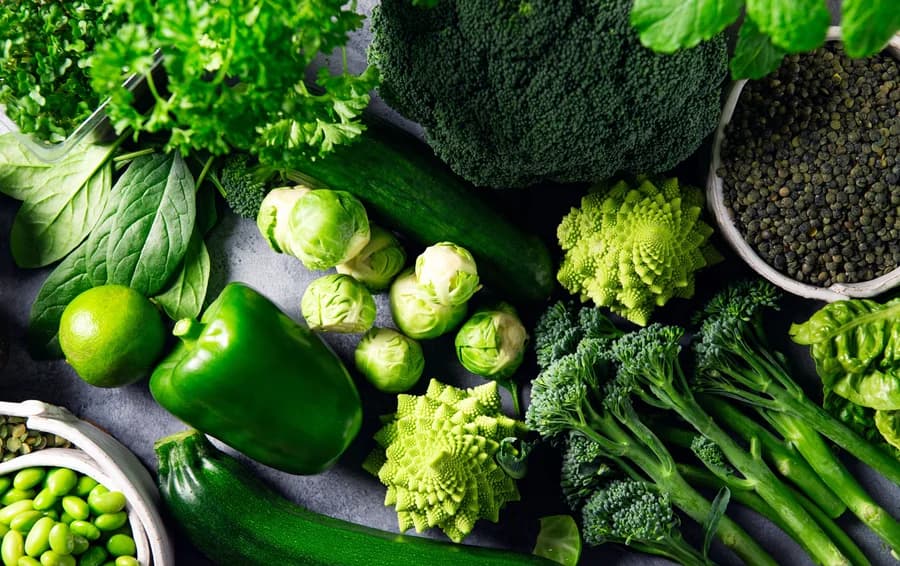
Green Vegetables Benefits: Nutrition and Everyday Uses
Green vegetables include leafy greens, beans, peas, broccoli, okra and many local varieties.

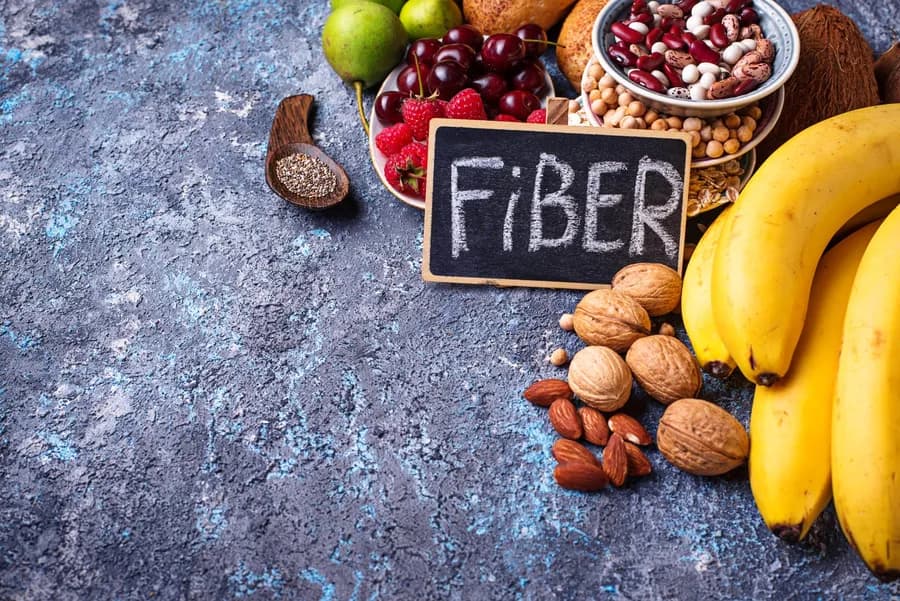
Fibre rich foods: what fibre does for your gut
Fibre does more than aid digestion — it feeds gut bacteria and helps keep blood sugar steady. See what fibre-rich foods actually do for your gut.

Low Glycemic Index Foods: What They Are and Why They Matter for Blood Sugar
Low glycemic index foods raise blood sugar slowly and steadily instead of causing a sharp spike. See what glycemic index actually measures, and everyday.