
Olive Benefits: Nutrition, Sodium and Simple Uses
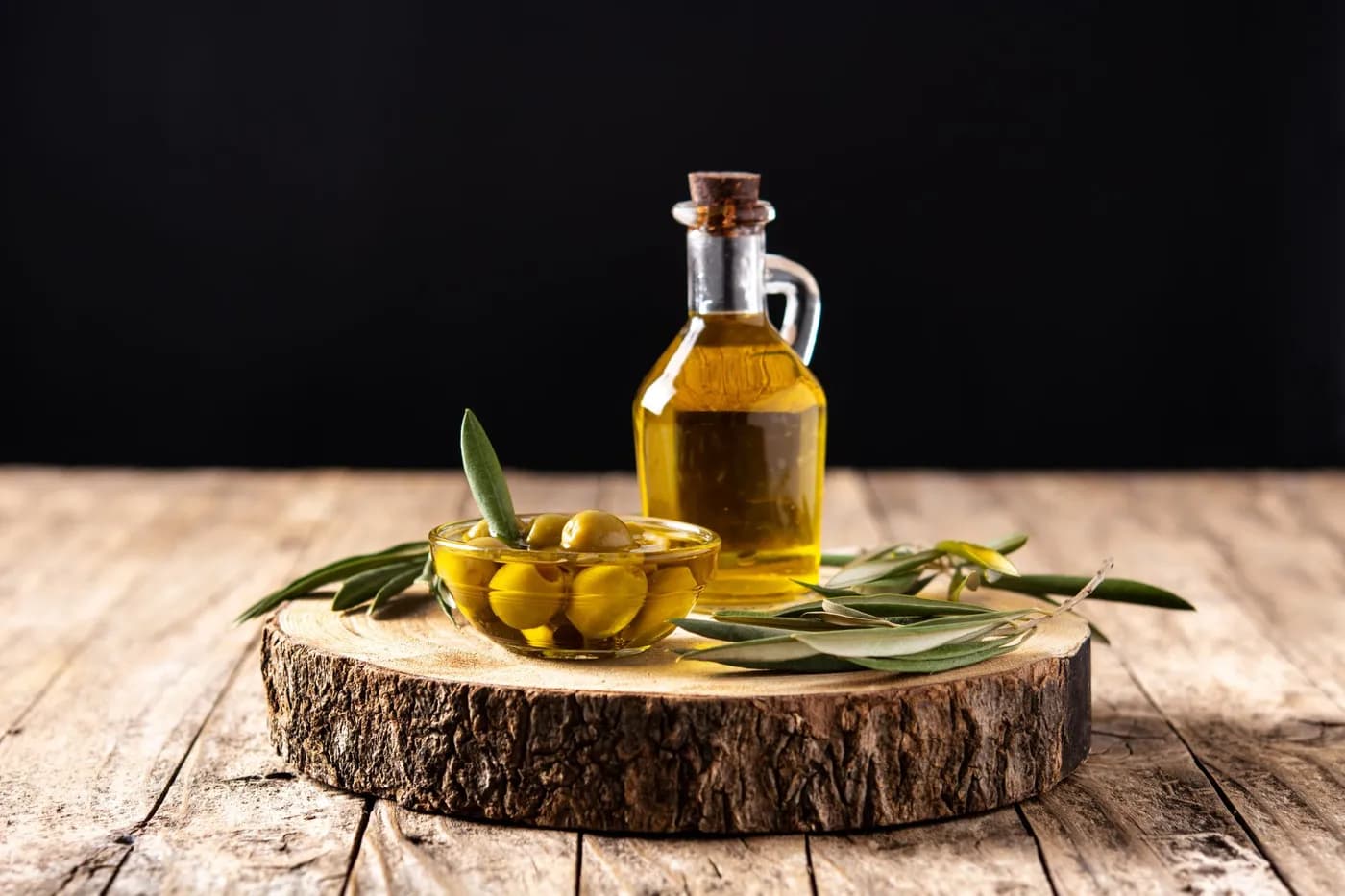
Olives are fruits commonly cured in brine because fresh olives are naturally bitter.
Key Takeaways
- Olives provide mainly monounsaturated fat plus some fibre and vitamin E, but little protein.
- Brined and stuffed olives can be high in sodium, so check the label per serving.
- Green and black olives differ mainly in ripeness and processing, not health category.
- Mediterranean diet and olive oil research cannot be credited to table olives alone.
Olives are fruits commonly cured in brine because fresh olives are naturally bitter. They provide mostly monounsaturated fat and plant compounds, but packaged varieties can be high in sodium. Olive benefits depend on the serving, curing method and complete meal rather than colour, price or Mediterranean marketing.
Why olives are cured
Fresh olives contain bitter compounds and are usually processed through brining, drying, fermentation or lye curing before eating. Methods change flavour, texture and sodium. Rinsing may remove some surface salt but does not make every olive low-sodium.
Black colour can come from ripeness or processing, while green olives are generally harvested earlier. Nutrition varies by product. The label is more useful than assuming one colour delivers greater olive benefits.
Fat, fibre and realistic portions
Most of the energy in olives comes from fat, much of it monounsaturated. A small serving also provides some fibre and vitamin E, but olives are not a complete meal or a major protein source.
Portions are small because the flavour is concentrated and sodium can add up. Count olives as part of the meal's fat and salt picture, especially when they appear with cheese, pickles, sauces or packaged breads.
Heart-health claims in context
Diet patterns rich in vegetables, fruit, pulses, whole grains, nuts and unsaturated oils are associated with cardiovascular benefits. Olives may fit that pattern, but they do not cancel smoking, excess sodium, inactivity or untreated blood pressure.
Studies of olive oil or a Mediterranean dietary pattern are not automatically studies of whole table olives. Realistic olive benefits come from replacing less suitable choices and adding flavour, not from preventing heart attacks by themselves.
Olive oil and whole olives are different
Whole olives contain water, fibre, sodium and fat, while olive oil is almost entirely fat. Research on extra virgin olive oil cannot be used to claim that unlimited salted olives have the same effect. Both can fit a meal, but their serving sizes and label checks differ.
When a recipe includes olives and olive oil, count both rather than assuming the ingredients cancel each other. A salad can still become energy-dense or salty.
Sodium and blood pressure
Check sodium per serving and how many servings the container holds. Stuffed olives may add salty cheese, anchovy or seasoning. People with high blood pressure, heart failure or kidney disease may need a lower-sodium product and an individual limit. Compare brands before purchase, because rinsing cannot fully correct a very salty product.
Use a smaller amount, rinse when suitable, and balance the plate with unsalted vegetables, grains and protein foods. Lemon, herbs and spices can build flavour without relying only on olives or salt.
Simple meal ideas
Slice a few olives into salad, vegetable pasta, whole-grain sandwiches or a bean dish. Pair them with tomatoes, cucumber, chickpeas and herbs. Their strong flavour spreads through a recipe, so a few sliced olives can often season an entire dish.
Tapenade can be useful but may contain extra oil, salt, capers or cheese. Read the recipe or label. An olive-topped pizza remains nutritionally shaped by the crust, cheese, portion and other toppings.
Fermentation does not make every olive probiotic
Some table olives undergo fermentation, but processing, storage and later heat treatment affect whether live microorganisms remain. A fermented label does not identify a clinically studied probiotic strain or dose. Do not buy salty olives as a treatment for gut symptoms.
People managing bloating or irritable bowel symptoms may react to garlic, chilli, stuffing or a large fatty serving rather than the olive itself. Test a simple product in a modest amount and review the complete ingredient list.
Buying and storage
Choose intact packaging and check the date. Refrigerate opened jars when instructed and keep olives covered by clean brine. Use a clean utensil rather than fingers, and do not assume that salt will keep contaminated brine safe indefinitely. Planning several meals around an opened jar reduces waste without increasing each serving.
Discard olives with mould, a swollen lid, leaking jar, unexpected gas, slime or an unpleasant odour. Home curing requires tested methods; improvising salt concentration or storage can create food-safety risks.
Allergy, choking and digestion
Olive allergy is uncommon but possible. Stuffed products can contain dairy, nuts, fish or other allergens, so check the complete ingredient list. Whole olives and stones can be choking hazards for young children or people with swallowing difficulty.
Very salty foods may cause thirst, and a large fatty portion may trigger digestive discomfort in some people. Adjust the amount to tolerance. Severe allergy symptoms need urgent care.
The useful takeaway
Olives are an optional flavour ingredient with unsaturated fat and plant compounds. Choose a portion that suits the meal, compare sodium and keep the jar safe after opening. Nuts, seeds, avocado and oils can provide unsaturated fat when olives are unavailable.
Olive benefits do not require daily use or a premium imported product. A few olives can make vegetables, grains and pulses more enjoyable, but the complete eating pattern determines the health value.
Editorial sources
Frequently Asked Questions
Related Articles
Olive Oil Benefits: Types, Portions and Cooking Uses
Olive oil is mainly monounsaturated fat, and extra-virgin versions also contain flavour compounds and polyphenols. Learn cooking uses.
Avocado: benefits, nutrition and simple ways to eat it
Avocado provides unsaturated fat and fibre. Learn its realistic benefits, useful portions, safe storage and simple vegetarian meal ideas.
Good fats vs bad fats: choose fats wisely
Understand good fats vs bad fats in simple words. Learn which vegetarian fats to choose, what to reduce and how to read food labels better.
