
Omega-3 benefits and vegetarian sources
Learn omega-3 benefits, the difference between ALA, EPA and DHA, vegetarian food sources, algal oil options and supplement safety.
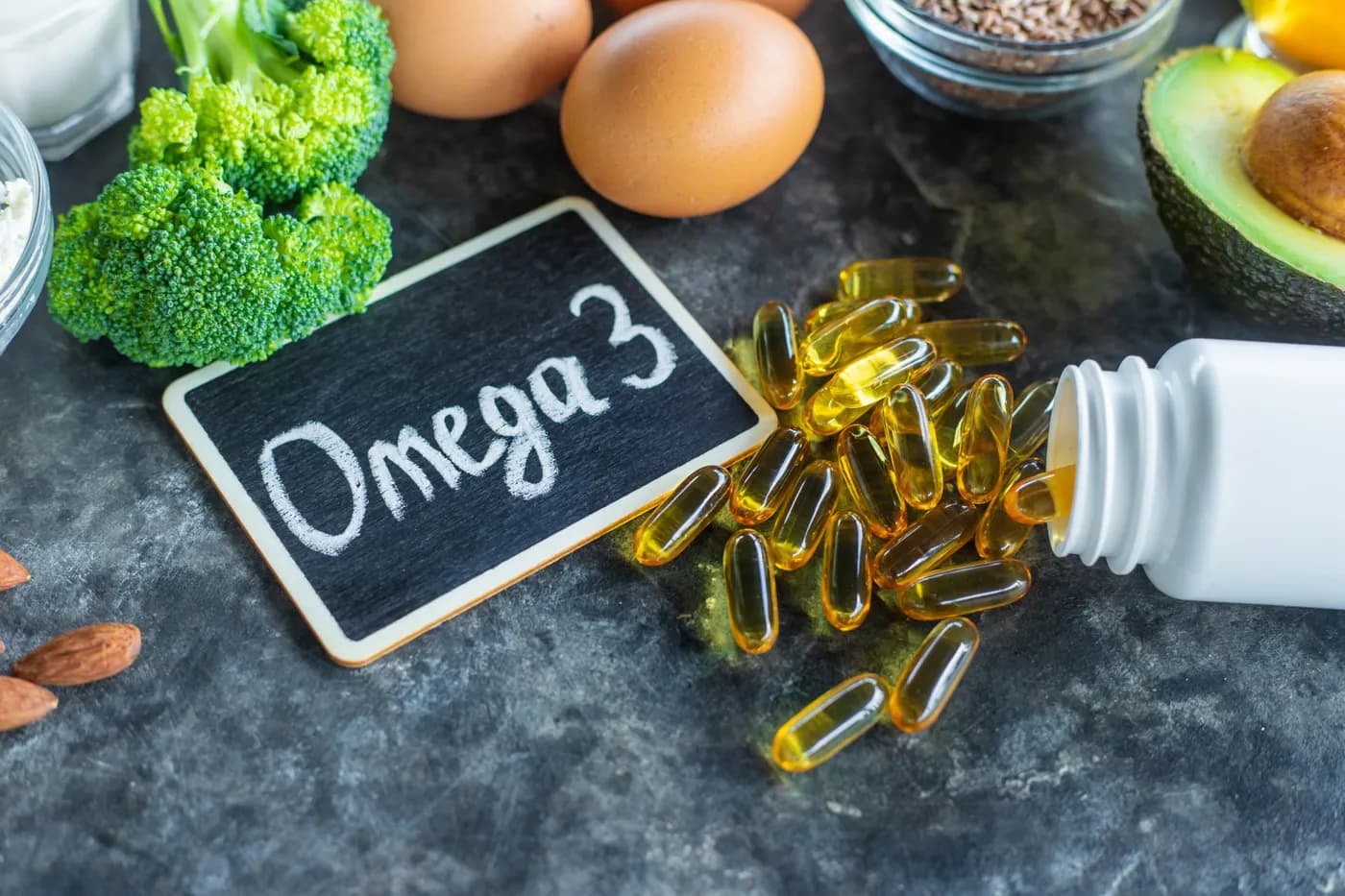
Key Takeaways
- ALA is the main omega-3 benefits found in plant foods.
- Flax, chia, walnuts and some oils provide ALA.
- The body converts only a small amount of ALA to EPA and DHA.
- Algal oil is a vegetarian source of DHA and sometimes EPA.
Omega-3 benefits fats support normal body functions. Learn the difference between ALA, EPA and DHA, vegetarian food sources and when algal oil may help.
What are omega-3 benefits fats?
Omega-3s are a family of polyunsaturated fats. The three main types are alpha-linolenic acid, or ALA; eicosapentaenoic acid, or EPA; and docosahexaenoic acid, or DHA.
ALA is essential, which means your body cannot make it. You must get it from food. The body can turn some ALA into EPA and DHA, but the conversion is very small. (1)
EPA and DHA are known mainly from fish and seafood. Vegetarians can get preformed DHA—and sometimes EPA—from algae-based supplements.
What do omega-3s do?
Omega-3 benefits fats form part of cell membranes. DHA is especially concentrated in the brain and retina. Omega-3s also take part in heart, blood-vessel, immune and hormone functions. (1)
These roles do not mean that more is always better or that a supplement prevents every disease.
Heart health
People who eat fish regularly often have a lower risk of some heart conditions, but it is difficult to separate the effect of omega-3s from the rest of their diet and lifestyle.
EPA and DHA supplements can lower high triglycerides at prescription doses. Those doses need medical supervision and are not the same as taking a normal over-the-counter capsule. (2)
For healthy vegetarians, the practical first step is regular ALA-rich food plus an overall pattern rich in vegetables, pulses, whole grains, nuts and seeds.
Brain, eyes and pregnancy
DHA is an important structural fat in the brain and retina. Pregnancy and breastfeeding increase attention to omega-3 benefits intake because the baby is developing quickly.
Vegetarian or vegan people who are pregnant, breastfeeding or planning pregnancy should ask a qualified clinician about an algal DHA product and the right dose. Check that the product is suitable for pregnancy.
Best vegetarian omega-3 benefits foods
Flaxseeds
Ground flax is an easy ALA source. Whole seeds may pass through undigested, so grinding improves access. Add one or two teaspoons to oats, curd or dough.
Chia seeds
Chia provides ALA and fibre. Soak it or mix it into a moist food and drink enough fluid.
Walnuts
Walnuts supply ALA, protein and minerals. A small handful works as a snack or topping.
Soy foods
Soybeans, tofu and some soy oils contain ALA. Tofu also provides protein, making it useful in vegetarian meals.
Canola and soybean oils
These oils contain some ALA. Use oils in moderate amounts and vary them rather than treating one oil as medicine.
Fortified foods
Some milk, soy drinks, curd and eggs are fortified with omega-3. Read the label because the type and amount differ.
This pairs well with Chia Seeds for Constipation if you want to go deeper.
How much ALA do you need?
NIH lists an adequate intake of 1.6 g a day for adult men and 1.1 g for adult women. Pregnancy and breastfeeding have different values. No standard recommended amount has been set for EPA and DHA for healthy people. (1)
You do not need to calculate every gram. A daily seed or walnut habit can make ALA intake more reliable.
A simple vegetarian omega-3 benefits routine
- Add ground flax to breakfast three or four days a week.
- Use chia on other days if you enjoy it.
- Choose walnuts for some snacks.
- Include soy foods regularly.
- Check fortified-food labels for the omega-3 benefits type.
Store ground flax, chia and walnuts in sealed containers away from heat and light. Refrigeration can slow rancidity. Throw them away if they smell bitter, paint-like or stale.
For more seed and meal ideas, read Habuild’s Diet and Nutrition guide.
Do vegetarians need an algal-oil supplement?
Not every vegetarian needs one. It may be worth discussing during pregnancy, breastfeeding, older age, very restricted diets or when a clinician wants a direct DHA or EPA source.
Choose a product that states the actual DHA and EPA amount, not only “algal oil.” Look for independent quality testing and check the expiry date.
Safety and interactions
Food sources are safe for most people. Large amounts of seeds can cause gas, bloating or loose stools, especially when fibre increases quickly.
High-dose omega-3 benefits supplements may affect bleeding and can interact with anticoagulant or antiplatelet medicines. NIH notes that higher-dose products should be used with healthcare guidance. (2)
Cod-liver oil is not vegetarian and also contains vitamins A and D, which can be excessive. Fish oil is not vegetarian either. Algal oil is the direct vegetarian alternative.
People with allergies, surgery planned, pregnancy concerns or regular medicines should check with a clinician before supplements.
Common omega-3 benefits myths
“Flax gives the same DHA as fish”
No. Flax provides ALA. Your body converts only a small part to DHA and EPA.
“Omega-3 benefits supplements prevent heart attacks”
Not for everyone. Benefits depend on the person, dose and outcome. Supplements do not replace treatment.
“More omega-3 benefits means less inflammation”
Omega-3s take part in inflammatory pathways, but high doses are not a general cure for pain or disease.
Frequently Asked Questions
Related Articles
Protein rich vegetarian foods: the perfect plate habit
Learn how protein rich vegetarian foods support energy, strength and fullness. Use the perfect plate habit with greens, grains and protein.

Protein-rich vegetarian foods: 1/4th plate habit
Explore protein, carbohydrates, healthy fats and meal planning for strength training, muscle building and recovery.

How to Get Enough Protein on a Vegetarian Diet
Learn how protein rich vegetarian foods support energy, strength and fullness. Use the perfect plate habit with greens, grains and protein.