
Papaya Benefits: Nutrition and Simple Serving Ideas
Learn papaya nutrition, realistic benefits, serving ideas, digestion facts and safety tips in clear and simple language.
Key Takeaways
- Papaya provides vitamin C, fibre, water and natural sweetness.
- Its papain enzyme helps break down protein but is not a cure.
- Whole papaya benefits is usually a better daily choice than juice.
- Food safety and sensible portions still matter.
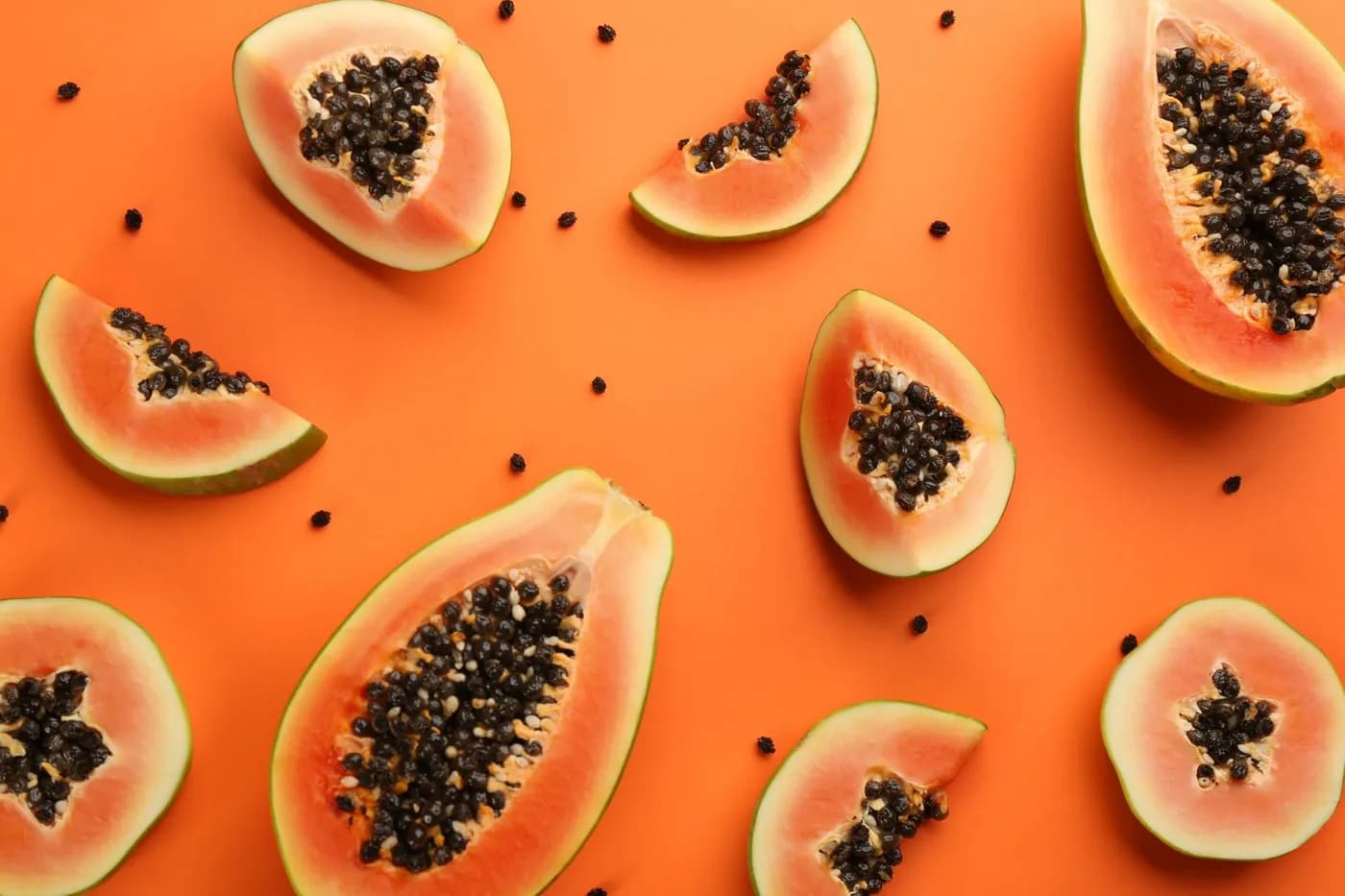
Papaya benefits is a soft orange fruit that needs very little preparation. Its mild sweetness and easy-to-chew texture make it useful at breakfast, snack time and after meals.
What does papaya provide?
Ripe papaya benefits provides vitamin C, folate, fibre and carotenoid pigments. It is also high in water. Exact nutrition depends on the size, variety and ripeness, and a standard food database can help when detailed values matter. (1)
Vitamin C supports collagen formation, iron absorption and normal immune function. Fibre supports bowel regularity. These are normal food benefits, not proof that papaya can prevent every illness linked to those nutrients.
Papaya benefits and digestion
Papaya contains papain, an enzyme that breaks down protein. This has created many claims about digestion. Eating ripe papaya benefits may feel comfortable for some people because the fruit is soft, contains water and provides fibre.
However, papaya is not a treatment for acidity, ulcers, irritable bowel syndrome or other digestive disease. Persistent pain, vomiting, blood in stool or a sudden change in bowel habits needs medical advice.
For constipation, regular fluids, fibre from many foods and daily movement are more dependable than relying on one fruit.
What does the research show?
A recent review describes many laboratory, animal and traditional findings related to papaya benefits and its compounds. It also shows why we must be careful: research on extracts or isolated compounds does not prove that an ordinary serving of fruit treats disease in people. (2)
This is a useful rule for all health content. Ask what was studied, how much was used and whether the research was done in humans. Then keep food advice practical.
Easy ways to eat papaya
Serve ripe cubes with lime and a pinch of black pepper.
Add papaya benefits to plain curd with chia or pumpkin seeds.
Blend a small amount with curd and water, without extra sugar.
Mix it with cucumber and pomegranate for a fresh fruit salad.
Use raw papaya only in properly cooked vegetable dishes.
For related reading, see Guava: nutrition, benefits and easy ways to eat it and High-Fibre Foods.
Papaya benefits has a gentle flavour, so it pairs well with protein foods such as curd or a few nuts. This can make a fruit snack more satisfying.
Portion and storage tips
A small bowl of ripe papaya can count as a fruit serving. Let a firm fruit ripen at room temperature, then move it to the fridge. Once cut, cover and refrigerate it.
Wash the outside before slicing, even though you do not eat the peel. Use a clean knife and board, and keep cut fruit away from raw meat or dirty surfaces. (3)
Very soft fruit with a fermented smell, leaking liquid or visible mould should be discarded.
Who should be careful?
Some people are allergic to papaya benefits or latex and may react to the fruit. Stop eating it and get urgent help if you have swelling, breathing trouble or a severe rash.
Pregnant people are often advised to avoid unripe or raw papaya because it contains more latex. Advice can vary, so ask your obstetric clinician what is suitable for you.
If you take medicines, have kidney disease or follow a prescribed diet, check whether any special restriction applies.
People with diabetes may be able to eat a measured portion of whole papaya benefits as part of their meal plan. Whole fruit is usually preferred to juice. (4)
A small habit to try
Cut papaya after dinner and store one covered bowl for the next morning. When breakfast fruit is already ready, you are less likely to skip it or choose a sugary drink.
Rotate papaya benefits with other seasonal fruits. Variety keeps meals interesting and spreads nutrients across the week.
Relevant Habuild interlink
Build consistency around food and movement with Habuild’s Yoga Everyday programme.
Frequently Asked Questions
Related Articles

Healthy fats: why your body needs fat
Healthy fats help your body absorb vitamins and support brain, hormones, joints, cells and daily meals. Learn simple vegetarian sources and habits.

Good fats vs bad fats: choose fats wisely
Understand good fats vs bad fats in simple words. Learn which vegetarian fats to choose, what to reduce and how to read food labels better.
