
Peach Benefits: Nutrition, Selection and Healthy Ways to Eat It
Peaches are juicy stone fruits that add fibre, vitamin C and potassium to meals, whether you buy them fresh, frozen, canned or dried.
Key Takeaways
- A medium peach is mostly water and supplies fibre, vitamin C, potassium and carotenoids.
- Unsweetened frozen peaches are a sound swap for fresh; choose canned fruit in water or juice.
- Dried peaches concentrate sugar and calories, so keep portions much smaller than fresh fruit.
- Never eat or crush peach pits; mouth itching may signal a pollen-related allergy.
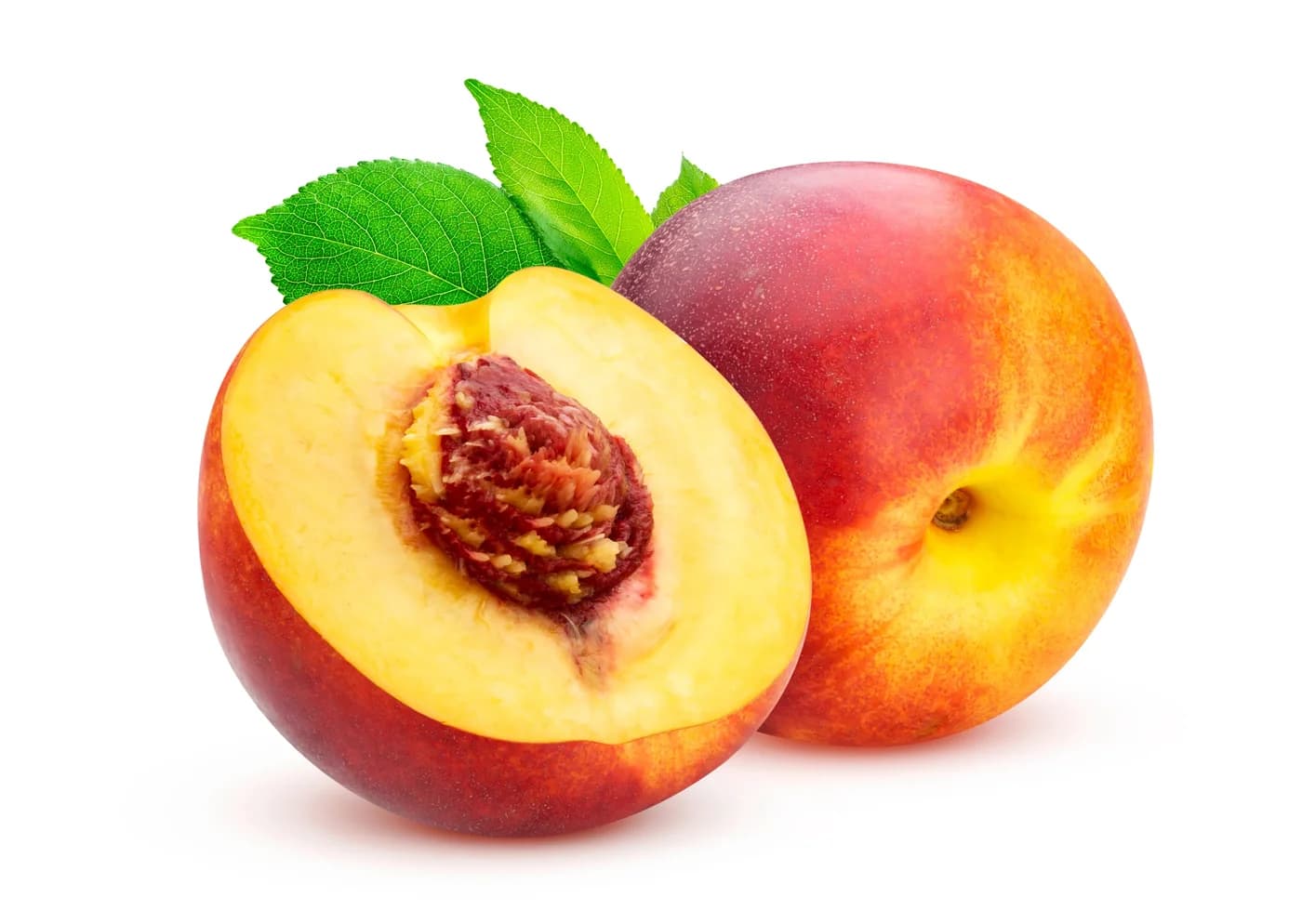
Peaches are juicy stone fruits with a central pit. The real peach benefits are simple ones: water, fibre and a few useful nutrients in a refreshing fruit. The sections below compare fresh, frozen, canned and dried peaches so that serving and storage advice stays practical.
What a peach provides
A medium fresh peach is mostly water and supplies carbohydrate, fibre, vitamin C, potassium and carotenoid plant pigments. It is a light, refreshing fruit, not a treatment for diabetes, constipation, skin disease or any other condition.
Yellow, white, clingstone and freestone
Yellow peaches often have brighter acidity, while white varieties may taste milder and sweeter. In clingstone fruit the flesh holds tightly to the pit; freestone fruit separates more easily. These are culinary differences rather than a reason to call one type dramatically healthier.
Fresh, frozen, canned or dried
Fresh and unsweetened frozen peaches are nutritionally similar options. If fresh peaches are disappointing or expensive, frozen fruit is a sensible alternative. When buying canned fruit, choose fruit packed in water or juice more often than heavy syrup, and drain it before serving.
Dried peaches have less water, so calories and natural sugars are concentrated into a smaller volume. Removing water shrinks several fruits into a handful, so a dried-fruit portion is much smaller than a fresh one. Chop dried peaches into oats or trail mix rather than snacking repeatedly from the packet.
Choosing and ripening peaches
Look for fruit with intact skin, a pleasant aroma and slight give near the stem. A red blush mainly reflects variety and sun exposure, not sweetness. Avoid squeezing repeatedly, which bruises the flesh.
A firm peach can soften and become more aromatic over a day or two at room temperature; refrigerate it once ripe to slow softening. A fruit picked very underripe may stay less juicy and flavourful even after it softens. Bruising does not always make fruit unsafe, but mould, leaking liquid or a fermented odour are reasons to discard it.
Skin, fibre and juice
Eating the washed skin retains more fibre than peeling, although the difference is modest within a varied diet. Blending the whole fruit keeps more fibre than straining juice, but a smoothie can still make several fruits easy to consume quickly. Peach juice lacks much of the whole fruit's fibre, so choose whole peaches more often, and eat a bowl of sliced fruit with a spoon to keep the portion visible.
Simple ways to eat peaches
Eat the washed fruit whole, slice it into oats or curd, blend a small amount into an unsweetened lassi, grill it, or use it in salsa and chutney. Grilling enhances sweetness without requiring syrup.
Peaches in balanced vegetarian meals
Pair slices with curd and seeds for breakfast, add them to a paneer or tofu salad, or cook a tangy chutney with minimal added sugar. In dessert, let the fruit provide flavour rather than burying it under cream and sugar. Fruit does not need a protein partner every time, but pairing may improve fullness when the next meal is far away. For a short snack, one peach on its own is completely reasonable.
Allergy, pit safety and digestive tolerance
Do not eat or deliberately crush peach pits. Some people with stone-fruit allergy, or birch-pollen allergy that cross-reacts with related proteins, notice itching or swelling in the lips or mouth after raw peach. Cooked fruit may be tolerated differently, but discuss this with a clinician after any reaction. Stop eating and seek urgent care for breathing difficulty, throat tightness, widespread hives, dizziness or facial swelling.
Peaches also contain fermentable carbohydrates that may aggravate IBS symptoms in a sensitive person. The answer is individual portion testing, not assuming that fruit is universally harmful.
Editorial sources
Frequently Asked Questions
Related Articles
Healthy Fruits: How to Choose Variety, Portions and Seasonal Options
All whole fruits can contribute water, fibre, vitamins and plant compounds. The healthiest choice is usually a varied, affordable pattern.

Vitamin C Foods: Simple Indian Sources and Meal Ideas
Discover vitamin C-rich Indian foods, easy meal ideas, simple cooking tips, deficiency signs and safe supplement guidance to follow.

Fibre rich foods: what fibre does for your gut
Fibre does more than aid digestion — it feeds gut bacteria and helps keep blood sugar steady. See what fibre-rich foods actually do for your gut.