
Pre Workout Meal Guide: What to Eat Before You Train
What to eat before training depends on your workout timing, what you ate earlier, and how your stomach handles food close to activity. See the basics for.

Key Takeaways
- A full meal needs 2-3 hours to digest; a small snack works fine 30-60 minutes out.
- Carbohydrates do most of the heavy lifting, topping up glycogen stores for training.
- A modest 10-20g of protein before training can reduce muscle breakdown during the session.
- Fat and fibre are best minimised right before exercise since both digest slowly.
- Even mild dehydration can make a workout feel harder than it actually is.
This pre workout meal guide exists because the question “what should I eat before I train?” rarely has one universal answer — it depends on your workout timing, what you ate earlier in the day, and how your stomach handles food close to activity. Get the basics right, though, and you’ll notice steadier energy, fewer mid-set crashes, and less of that heavy, sluggish feeling that comes from eating the wrong thing too close to training.
At a Glance: What to Eat Before a Workout
- Time it by size — a full meal needs 2-3 hours to digest; a small snack works fine 30-60 minutes out.
- Lean on carbohydrates — they’re your body’s fastest-access fuel for moderate-to-high intensity training.
- Add a little protein — it supports muscle repair and helps you feel fuller for longer without weighing you down.
- Keep fat and fibre light — both slow digestion, which can cause discomfort if eaten right before training.
- Hydrate alongside eating — even mild dehydration can make a workout feel harder than it is.
Pre Workout Meal Timing: How Far Out Should You Eat?
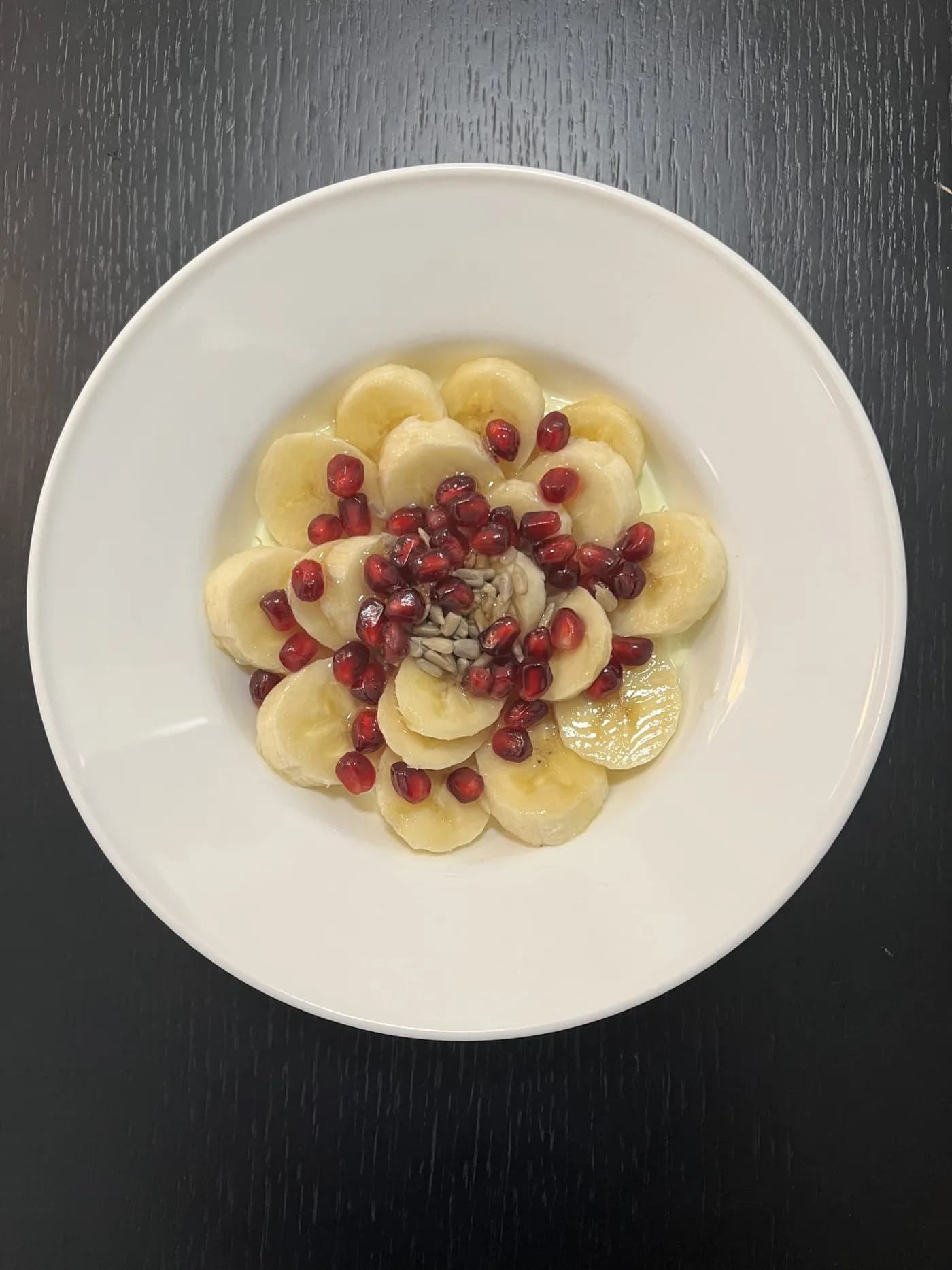
Timing is the piece most people get wrong. A larger, balanced meal — think rice or roti, dal, a vegetable, and curd — is best eaten 2 to 3 hours before training, giving your body enough time to digest without redirecting blood flow away from your muscles mid-workout. If you’re training within an hour of eating, switch to something smaller and faster to digest: a banana, a handful of dates, or a slice of toast with a thin spread of peanut butter. Training first thing in the morning on an empty stomach is fine for lighter sessions like a walk or a yoga practice, but for strength training or longer cardio, even a small carbohydrate snack 20-30 minutes beforehand can noticeably improve performance.
Pre Workout Meal Guide: Macros That Matter
Any useful pre workout meal guide comes back to three macronutrients, and carbohydrates do most of the heavy lifting. They’re stored in your muscles and liver as glycogen, which is the fuel your body pulls from during exercise — so a carbohydrate-forward meal or snack keeps that tank topped up. Protein plays a supporting role: a modest amount (10-20g) before training can reduce muscle breakdown during the session, though its bigger job happens in the post-workout meal. Fat and fibre, on the other hand, are best minimised right before exercise. Both are digested slowly, and a heavy, fatty, or fibre-dense meal eaten too close to a workout is a common reason people feel bloated or low-energy once they start moving.
Photo: Peanut butter and banana on toasted homemade bread, CC0, via Wikimedia Commons
Simple Pre-Workout Food Ideas for Indian Diets
You don’t need specialty products to fuel a workout well. Depending on how much time you have:
- 2-3 hours before: Roti or rice with dal and a vegetable sabzi, or curd rice with a side of fruit.
- 60-90 minutes before: A small bowl of poha or upma, a banana with a few soaked almonds, or a vegetable sandwich.
- 20-30 minutes before: A banana, 2-3 dates, a small glass of fresh fruit juice, or a handful of roasted chana.
- For early-morning training: A banana or a few dates plus water is usually enough to prevent an energy dip without sitting heavy in your stomach.
If your goal is more about building muscle than just getting through a session, it’s worth pairing this timing advice with what you eat the rest of the day — our guides to foods to build muscle and a lean bulk diet cover how total daily protein and calories matter more than any single pre-workout snack.
What to Avoid Right Before Training
Fried snacks, heavy, rich curries, and large servings of rice or roti close to a workout tend to sit undigested and can cause cramping or nausea once you start moving. Very high-fibre foods — think large servings of raw salad or legumes — are also worth saving for after your session if you’re training within the hour. And while a strong coffee is fine for many people before a workout, pairing it with a big meal right before training rarely feels good.
Portion Guidance in This Pre Workout Meal Guide
As a rule of thumb, aim for 0.5-1g of carbohydrate per kilogram of body weight when eating within an hour of training — for a 60kg person, that’s about a banana plus a few dates, or two slices of toast. For a meal 2-3 hours out, a cup of rice or 2-3 rotis with dal works well, since there’s more time to digest. Protein doesn’t need to be large before training — 10-20g, roughly a small bowl of curd or a glass of milk, is enough to blunt muscle breakdown without slowing digestion. Overeating is actually the more common mistake: heavy, rich curries or a large plate of fried snacks close to a workout sit heavy no matter how good your timing is. Match your portion to the time you actually have before training — that’s the core idea behind this pre workout meal guide.
Who Should Adjust This Pre Workout Meal Guide’s Timing
Not everyone should follow the general timing the same way. People managing diabetes or blood sugar swings should pair carbs with a little protein or fibre rather than relying on fast sugar alone, which helps avoid a spike-and-crash pattern. Anyone with acid reflux or a sensitive stomach may need a longer gap than the usual 2-3 hour guideline, since certain movements can worsen reflux on a fuller stomach. If you’re new to exercise or returning after a break, start with smaller pre-workout snacks and see how your body responds before experimenting with bigger meals close to training — this pre workout meal guide is a starting point you adjust to your own body, not a fixed rule to follow exactly.
Frequently Asked Questions
Related Articles
Strength Training Workout for Runners: Build Power, Prevent Injury, Run Better
A structured resistance programme targeting the glutes, core, and hip stabilisers builds what running alone can't — done twice a week, it reduces injury risk and improves running economy. See the full workout.

Strength Training Leg Workout: Best Exercises, Benefits & How to Start
Training legs two to three times a week builds functional power, supports fat metabolism, and improves everyday movement, using the largest muscle groups in the body. See the best exercises.

Strength Training Chest Workout: Build Real Strength at Home
A structured chest workout progressively loads the pectoral muscles, shoulders, and triceps to build pushing strength and better posture — achievable at home with little or no equipment. See the full workout.