
Prenatal Vitamins for Pregnancy: What They Cover and Why They Matter
Prenatal vitamins combine folic acid, iron, calcium, vitamin D, and sometimes DHA in one dose — but the right combination depends on your individual.


Key Takeaways
- Typically combine folic acid, iron, calcium, vitamin D, and sometimes DHA in one dose.
- Ideally started before conception, since neural tube development happens very early.
- Meant to complement meals, not replace dal, leafy greens, dairy, or fruit.
- The right combination depends on individual blood work, not a one-size-fits-all formula.
- Existing anemia or thyroid conditions may need adjusted doses under a doctor’s guidance.
Prenatal vitamins for pregnancy are supplements designed to fill nutritional gaps that diet alone often can’t cover during this high-demand phase. They typically combine folic acid, iron, calcium, vitamin D, and sometimes DHA in one daily dose, but the right combination and quantity depends entirely on your individual health profile and blood work.
What’s Usually Inside Prenatal Vitamins for Pregnancy
Most formulations are built around a core set of nutrients that support the baby’s development and the mother’s changing needs:
- Folic acid — supports early neural tube development, ideally started before conception
- Iron — helps meet the sharp rise in blood volume and prevents pregnancy-related anemia
- Calcium — supports the baby’s developing bones and teeth while protecting the mother’s own bone density
- Vitamin D — works alongside calcium for bone health and plays a role in immune function
- DHA (an omega-3 fatty acid) — associated with brain and eye development in the growing baby
Not every prenatal vitamins for pregnancy formula contains all five in the same proportions, which is exactly why a doctor’s recommendation matters more than picking whatever is popular or heavily marketed.
Why Supplementation Is Often Recommended Alongside Diet
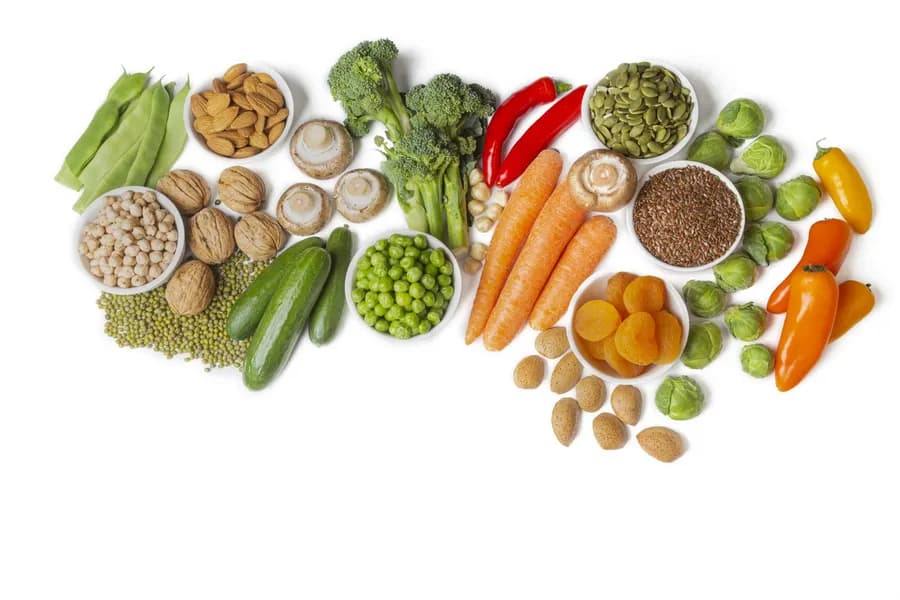
Even a well-planned, nutrient-dense diet can fall short of pregnancy’s increased requirements, particularly for folic acid and iron, where the gap between usual dietary intake and recommended amounts tends to be large. Cooking losses, appetite changes, nausea in the early months, and individual absorption differences all add variability that food alone doesn’t always resolve. This is why doctors generally recommend prenatal vitamins for pregnancy as a complement to meals rather than a replacement for them — the goal is to close specific gaps, not to substitute for dal, leafy greens, dairy, or fruit in your daily diet.
Photo: Ragesoss, CC BY-SA 3.0, via Wikimedia Commons
When to Start Taking Prenatal Vitamins for Pregnancy
Ideally, supplementation begins before conception, since neural tube development happens very early — often before many women even confirm pregnancy. If you’re planning a pregnancy, ask your doctor about starting folic acid a few months in advance. If pregnancy wasn’t planned or you’re already further along, it’s still worth starting as soon as possible rather than skipping supplementation altogether; your doctor can guide you on catching up safely and adjusting the plan for your trimester. Either way, starting prenatal vitamins for pregnancy sooner rather than later is generally better than waiting for the ideal moment.
Getting the Dose Right for You
Standard multivitamin formulas are not one-size-fits-all. Someone with existing anemia may need a higher iron dose, while someone with a thyroid condition or kidney concern may need certain nutrients adjusted or monitored more closely. Blood tests done during antenatal visits usually guide these decisions. Taking more than recommended isn’t automatically better — excess vitamin A or iron, for instance, can cause its own problems — so self-prescribing based on what worked for a friend or family member isn’t a safe shortcut. Always discuss your specific report and history with your doctor before starting or changing any supplement. Getting the dose of prenatal vitamins for pregnancy right is a collaborative process between you, your reports, and your doctor — not a one-size-fits-all decision.
Getting your dosing right pairs well with everyday food habits too — knowing how coconut water and pregnancy fit safely into daily hydration, or how chia seeds for pregnancy can round out your omega-3 and fibre intake, helps you rely a little less on supplements alone to fill every gap. A full prenatal meal plan (coming soon) will bring the food side of this together in one place.
Common Mistakes People Make With Prenatal Vitamins for Pregnancy
Even a well-intentioned routine around prenatal vitamins for pregnancy can go slightly wrong in ways that quietly reduce how much benefit you actually get. Taking your iron and calcium tablets at the exact same time is one of the most common mistakes — calcium competes with iron for absorption in the gut, so many doctors suggest spacing them apart, for instance iron in the morning and a calcium-rich dose at night. Doubling up on supplements is another frequent slip: if you’re already taking a separately prescribed iron or vitamin D tablet, adding a full prenatal multivitamin on top without checking can push nutrients like vitamin A or iron past safe limits, since both are counted cumulatively across every source you take. Stopping prenatal vitamins for pregnancy the moment you deliver is also worth reconsidering — many doctors recommend continuing a similar supplement through breastfeeding, since lactation keeps several nutrient demands elevated rather than resetting them to normal. Finally, skipping doses because of nausea rather than telling your doctor means missing out during weeks your body may need the support most; a change in formulation, timing, or taking it with a small snack often solves the problem without needing to stop altogether.
Frequently Asked Questions
Related Articles
Fat soluble vitamins: why healthy fats help absorption
Vitamins A, D, E and K need fat for absorption. Learn simple Indian food pairings and how to add a little healthy fat to balanced meals.


What Is Prenatal Yoga? A Complete Guide for Expectant Mothers
Prenatal yoga uses modified postures, conscious breathing, and relaxation techniques adapted for each trimester, avoiding poses that compress the abdomen.


Sleeping Position During Pregnancy First 3 Months (First Trimester)
Sleeping position during pregnancy first 3 months matters far less than most expecting mothers assume — the first trimester is the most flexible stretch of pregnancy for how you sleep. See when position actually starts to matter.