
Protein Bread: Is It Worth the Extra Cost?
Protein bread can make a meal more convenient, but the useful choice depends on the serving, filling, taste and extra cost.
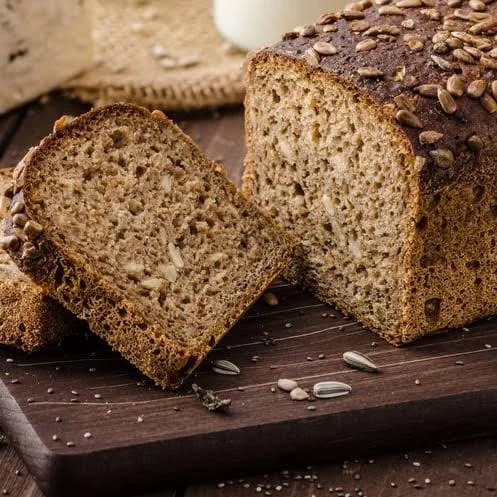
Key Takeaways
- Protein bread recipes vary widely.
- Compare the slices you actually eat.
- Higher protein does not mean wholegrain.
- Decide whether the extra cost solves a real problem.
Protein bread promises more protein in a food many people already eat. That can be convenient, but the name alone does not tell you whether a loaf improves your breakfast or just costs more. Recipes vary: some add soy, pulses, seeds, wheat protein or dairy ingredients, while others differ only modestly from ordinary bread. The useful comparison is the bread you actually eat, in the number of slices you normally serve.
What makes a bread higher in protein?
Bread naturally contains some protein from flour. Higher-protein versions may increase it by adding ingredients such as soy flour, pea protein, wheat gluten, seeds or milk-derived proteins.
Those ingredients change more than the protein figure. They can affect flavour, texture, fibre, fat, energy and allergens. A dense seeded slice may be quite different from a light sandwich loaf.
There is no single nutritional value that applies to every product described as protein bread. Treat the name as a reason to compare, rather than a guarantee that it is the best bread for every household.
Compare the serving you will use
A per-100-g figure can be useful for comparing similar products, but slice weights differ. Two thin slices of one loaf may weigh much less than two thick slices of another.
Look at the protein in your normal serving. For illustration, two slices providing 4 g each supply 8 g; two providing 8 g each supply 16 g. Those are example numbers, not standard values for ordinary and protein breads.
The difference may be worthwhile if breakfast currently contains little protein. If the increase is small and the price much higher, a better sandwich filling may be more useful. One quick comparison can answer the question without turning every purchase into a nutrition project.
Protein does not automatically mean wholegrain
A loaf can be higher in protein while relying mainly on refined flour. Another may provide both more protein and useful fibre. These are separate features.
If fibre is one of your goals, look for wholegrain ingredients and the fibre amount as well. A dark colour or seeds on top do not establish what makes up most of the slice.
You do not need one loaf to provide every nutrient. But it helps to know what you are paying for. An increase in protein should not be assumed to improve every other aspect of the bread.
Build the meal around a filling
Bread is one component of breakfast or lunch. A useful filling can provide much of the protein, whether you choose a special loaf or an ordinary one.
Try a paneer or tofu filling with vegetables, a mashed chickpea sandwich, or toast alongside curd and another food you enjoy. Make the filling substantial enough to notice rather than relying on a thin spread for the whole meal.
If the loaf itself is dense and filling, adjust the number of slices to appetite. The goal is a satisfying meal, not eating the largest possible protein total at one sitting.
It can help in particular situations
A ready bread option may suit a rushed breakfast, a packed lunch or a person who finds cooking several protein foods inconvenient. Convenience is a legitimate benefit when the product is affordable and enjoyable.
It may also help distribute protein earlier in the day if dinner currently supplies most of it. A small improvement repeated regularly can be more useful than an elaborate high-protein breakfast made only once.
However, it is not essential for vegetarians, gym-goers or older adults simply because those groups may need attention to protein. Dal, beans, soy, dairy and other suitable foods can meet that role through different meals.
Is it useful for weight loss?
Protein can contribute to fullness, but a high-protein label does not guarantee weight loss. Energy content, serving size, fillings and the rest of the day still matter.
A loaf containing more seeds or fat may also provide more calories per slice. That can be useful in some situations, but it is different from being automatically lighter.
Choose a serving that leaves you comfortably satisfied. Butter, mayonnaise, cheese and sauces can change the whole sandwich substantially, so consider the finished meal rather than asking the bread alone to determine the result. There is no need to ban a favourite filling; use it intentionally.
Diabetes does not make the label decisive
Protein bread is not necessarily low in carbohydrate. Some products remain similar to ordinary bread in carbohydrate content, while others differ considerably.
If you manage diabetes, consider the serving and meal within your usual plan. Two larger slices may supply more carbohydrate than expected even if the per-100-g comparison looks favourable.
Fibre and protein can be useful parts of a meal, but they do not erase its carbohydrate. Avoid treating a special bread as unlimited or changing prescribed medicines because a packet sounds designed for blood sugar.
Allergies and digestion can change the choice
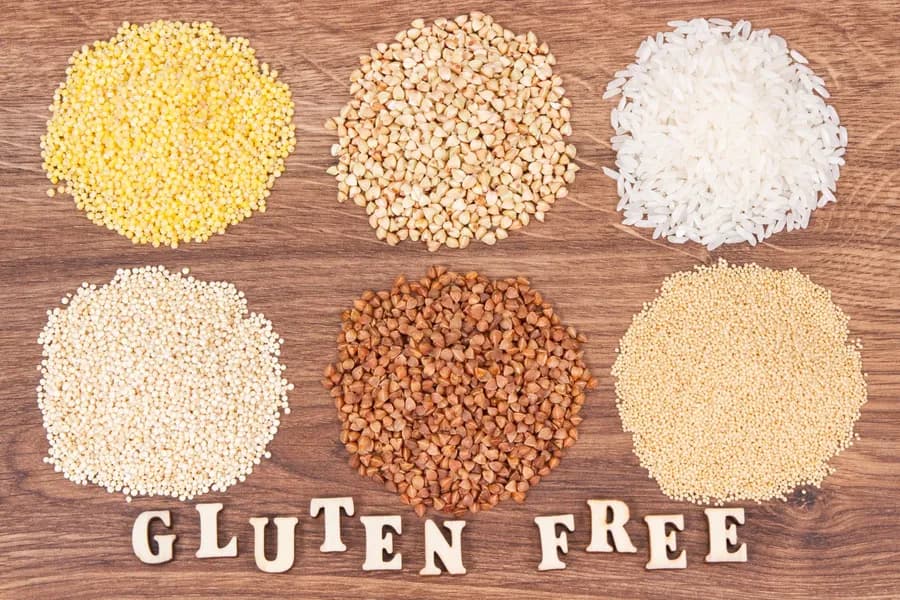
Higher-protein recipes may add soy, milk, nuts or seeds to the wheat already present. An ingredient that is useful nutritionally may be unsuitable for someone with an allergy.
Wheat gluten is itself a protein, so some high-protein breads are particularly unsuitable for coeliac disease. High protein and gluten-free describe different things; one does not imply the other.
Extra fibre or certain added ingredients can also cause bloating in some people. Start with a comfortable serving and notice tolerance. You do not have to keep buying a loaf that makes you uncomfortable just because its protein figure is impressive.
Decide whether the cost solves a real problem
Compare the extra protein you gain with the extra price and whether you enjoy the result. If an affordable ordinary bread with a better filling works just as well for your routine, that is a sound choice.
Buy a manageable quantity and store it as directed. Freezing suitable portions can help when you use only a few slices at a time. Discard mouldy bread rather than removing only the visible patch.
Protein bread earns its place when it makes an actual meal easier. It does not need to become a daily requirement, and it cannot replace the variety of foods that support a nutritious vegetarian diet.
Editorial sources
Frequently Asked Questions
Related Articles
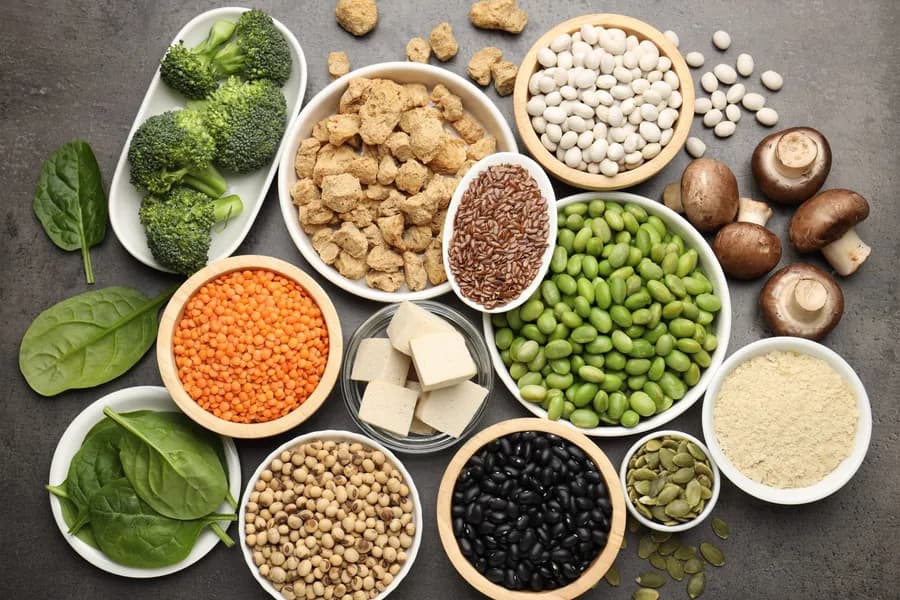
High Protein Vegetarian Foods: The Complete Indian Food List
Indian kitchens are already full of high protein vegetarian foods — dals, paneer, tofu, soy, and dairy. See the complete list, with protein counts, and.

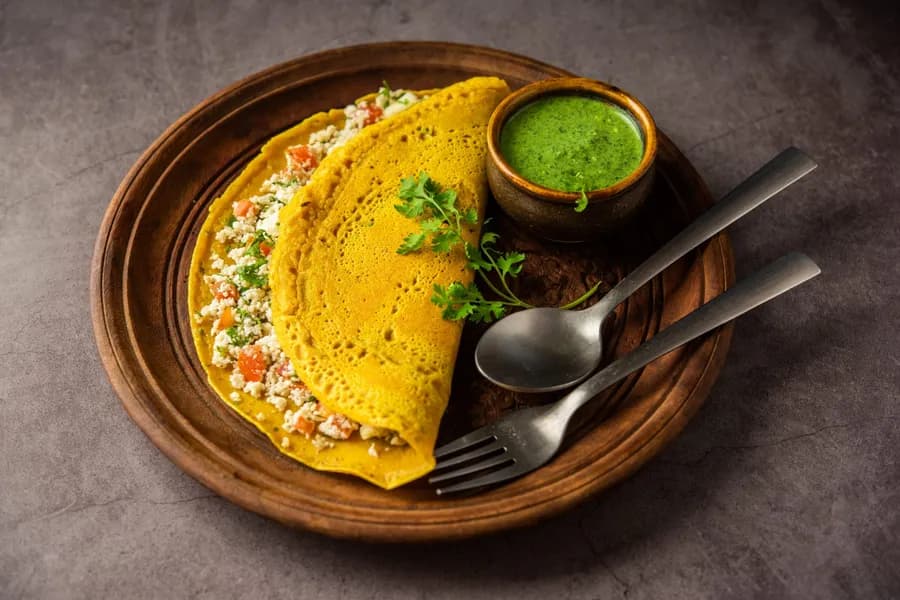
Sprouted moong cheela: an easy protein-rich breakfast
Sprouted moong cheela blends moong, onion, spinach, garlic, and besan into a savoury, protein-rich pancake — a pulse-based alternative to a refined-flour.
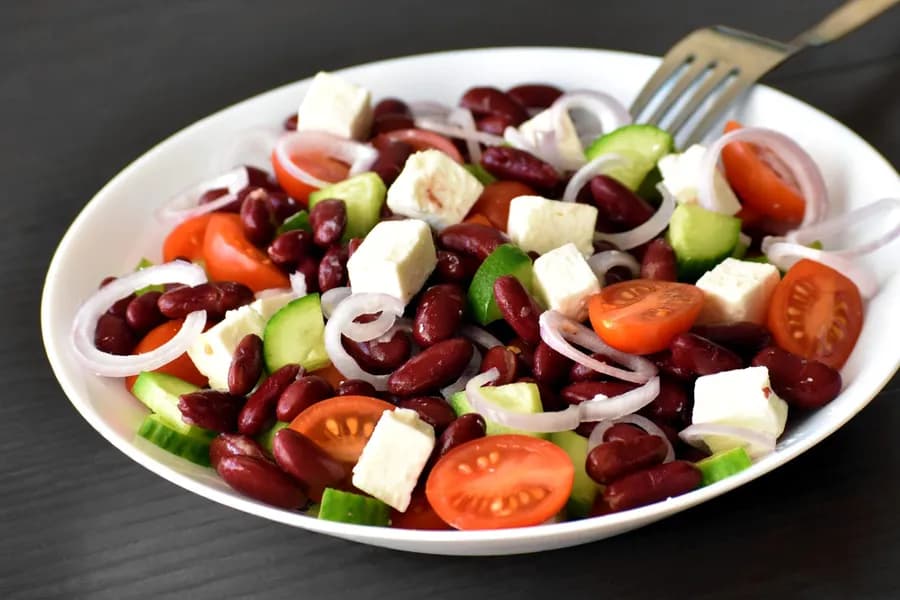
Protein-rich breakfast salad: simple vegetarian recipe
A protein-rich breakfast salad made with chickpeas, rajma, or sprouts, vegetables, peanuts, and hung curd is quick, filling, and easy to build from.
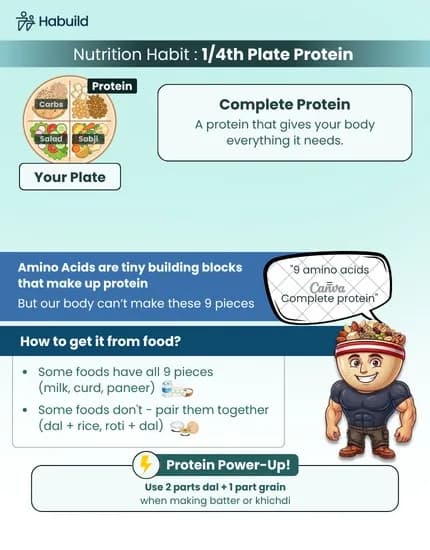
Complete Protein Foods: Can Vegetarian Meals Cover Your Protein Needs?
You do not need to combine foods at every meal. What matters is how much protein you eat overall, how varied your food is and whether you eat enough.