
Protein Per Day: How Much Do You Need? A Simple Vegetarian Guide
Protein needs depend on body size, age, activity, pregnancy and health. The basic adult requirement is a starting point, not a perfect target for everyone.

Key Takeaways
- Healthy adults may use approximately 0.8–0.83 grams per kilogram as a general reference.
- Requirements may rise with age, training, pregnancy, recovery or inadequate energy intake.
- Protein is easier to obtain when spread across meals.
- Dal contributes protein but may not provide enough by itself.
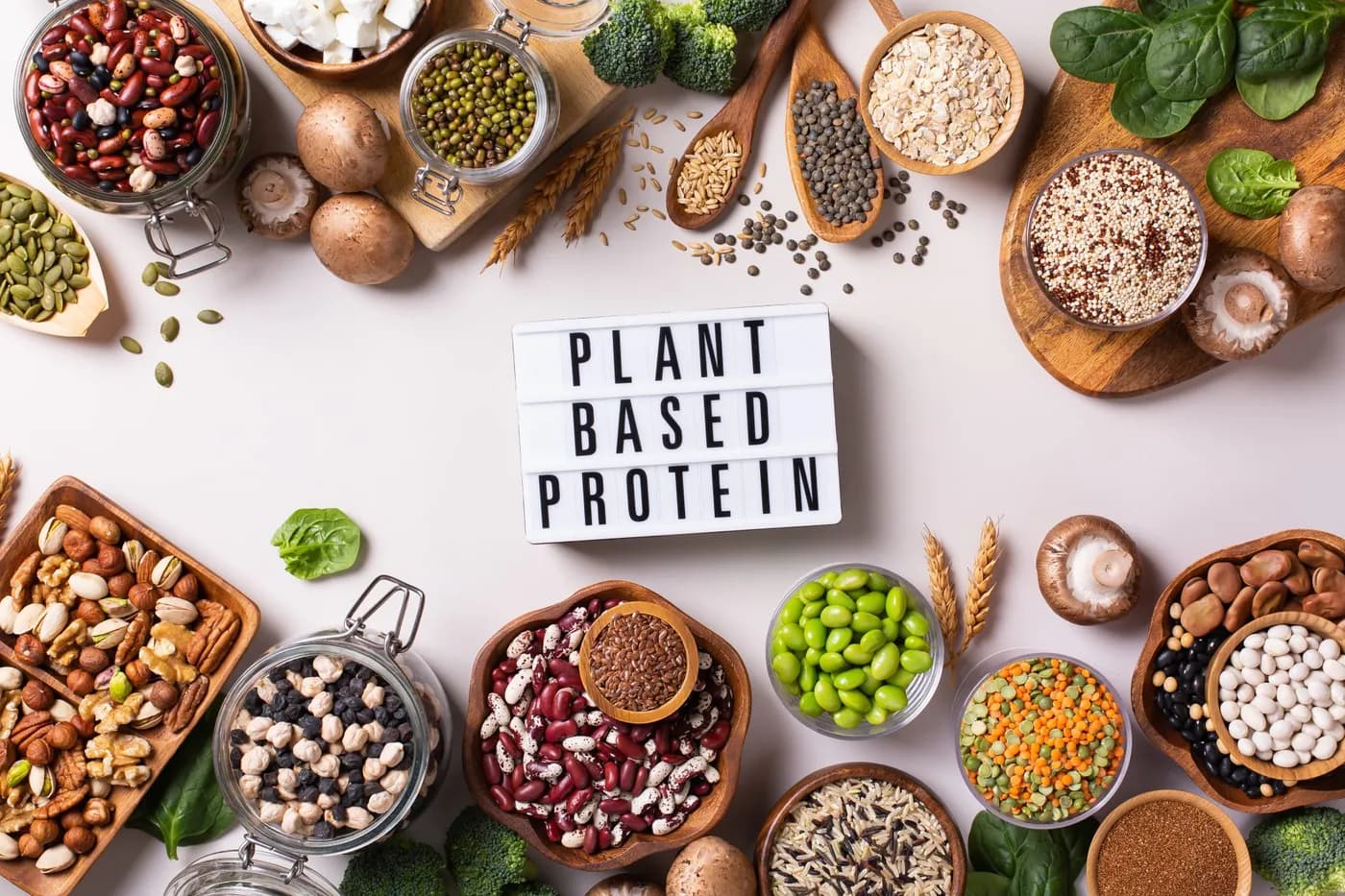
- Beans, soy foods, dairy, pulses, nuts and seeds can support a vegetarian diet.
- Supplements are optional and do not replace balanced meals.
- Kidney disease may require an individually prescribed intake.
The amount of protein per day you need depends on body weight, age, activity, pregnancy, health conditions and overall energy intake. A healthy adult with low to moderate activity may use approximately 0.8–0.83 grams per kilogram of body weight as a general starting point.
This is not a universal target. Older adults, athletes, pregnant people and those recovering from illness may have different requirements. People with kidney, liver or metabolic conditions need personalised guidance.
Why does the body need protein?
Protein is made from amino acids. The body uses these amino acids to build and maintain:
- Muscles
- Skin
- Hair and nails
- Enzymes
- Hormones
- Antibodies
- Blood proteins
- Other tissues
Protein also supports growth, recovery and the maintenance of lean body mass. However, eating more than the body needs does not automatically produce more muscle.
Muscle gain requires an appropriate training programme, sufficient food, sleep and recovery.
How to calculate protein per day
A general reference for a healthy adult is approximately:
Body weight in kilograms × 0.8–0.83 grams
For example, a person weighing 60 kilograms may use this calculation:
60 × 0.83 = approximately 50 grams of protein per day
This is a starting estimate rather than an individual prescription.
| Body weight | Approximate daily protein at 0.83 g/kg |
| --- | --- |
| 50 kg | 42 g |
| 60 kg | 50 g |
| 70 kg | 58 g |
| 80 kg | 66 g |
| 90 kg | 75 g |
These calculations may not be appropriate for everyone. When body weight is significantly above or below a healthy range, a dietitian may use a different reference weight.
Is the same amount suitable for everyone?
No. The appropriate amount of protein per day depends on several factors.
Age
Children and adolescents require protein to support growth, but their needs should be calculated according to age and body weight.
Older adults may benefit from greater attention to protein intake because ageing is associated with a gradual loss of muscle mass and strength. Appetite, chewing difficulty, illness and reduced activity can make adequate intake challenging.
Physical activity
People who regularly perform strength training, endurance exercise or physically demanding work may need more than a sedentary adult.
The exact amount depends on training volume, intensity, goals and total energy intake. More is not always better, and a sports dietitian can provide an individual recommendation.
Pregnancy and breastfeeding
Protein requirements increase during pregnancy and breastfeeding to support maternal health, fetal growth and milk production.
Needs vary by stage, body size and overall diet. Pregnant people should not follow a high-protein or restrictive diet without professional guidance.
Illness, injury and recovery
Surgery, burns, infections and some chronic conditions may change protein requirements. People recovering from illness may also have poor appetite or difficulty eating.
Medical nutrition should be guided by a clinician or dietitian rather than a general online calculator.
Overall calorie intake
When the body does not receive enough total energy, it may use dietary protein for energy instead of tissue maintenance and repair.
Eating sufficient carbohydrates and fats helps protein perform its primary structural and functional roles.
How much protein per meal?
There is no compulsory amount that every person must eat at each meal. However, spreading protein across the day is generally more practical than trying to consume most of it at dinner.
For someone targeting approximately 50–60 grams daily, a simple distribution might be:
- Breakfast: 12–15 grams
- Lunch: 15–20 grams
- Snack: 5–10 grams
- Dinner: 15–20 grams
The exact distribution should reflect appetite, routine, training time and total requirements.
A breakfast consisting only of tea and biscuits contributes little protein. Adding curd, milk, soy drink, paneer, tofu, besan or sprouts can make it more balanced.
Vegetarian sources of protein
A vegetarian diet can provide adequate protein when it includes varied foods in suitable quantities.
Pulses and beans
Useful options include:
- Moong dal
- Masoor dal
- Toor dal
- Urad dal
- Chana dal
- Chickpeas
- Rajma
- Lobia
- Whole moong
- Whole masoor
Pulses provide protein, carbohydrate, fibre and minerals. The quantity in a thin bowl of dal may be lower than people expect, so serving size and preparation matter.
Soy foods
Soy is one of the most protein-rich vegetarian food groups. Options include:
- Tofu
- Soy chunks
- Soy granules
- Tempeh
- Unsweetened fortified soy drink
- Edamame
Plain soy foods can fit regular meals. People with a diagnosed soy allergy must avoid them.
Dairy foods
For people who consume dairy, options include:
- Milk
- Curd
- Greek-style yoghurt
- Paneer
- Cottage cheese
Protein content varies considerably. Regular curd generally contains less protein than strained or Greek-style yoghurt.
Paneer provides protein but may also contain substantial saturated fat, depending on how it is prepared. Portion and the complete meal still matter.
Nuts and seeds
Peanuts, almonds, pumpkin seeds, chia seeds, sunflower seeds and sesame provide some protein along with fats, fibre and minerals.
They are nutritious but energy-dense. A small handful works better as a supporting food than as the only protein source in a meal.
Grains
Wheat, rice, oats, millets and other grains contribute some protein. However, their primary contribution is usually carbohydrate.
Combining grains with pulses can improve the overall amino-acid pattern of the diet. Examples include:
- Dal and rice
- Rajma and rice
- Roti and chana
- Khichdi
- Dosa with sambar
- Hummus with whole-grain roti
These foods do not have to be eaten in a perfect ratio or at the exact same moment. Variety across the day is sufficient for most healthy adults.
Habuild’s protein-rich vegetarian foods guide provides additional meal ideas.
Approximate protein in common vegetarian foods
Values vary by brand, recipe, moisture and serving size. The following figures are broad estimates:
| Food | Example portion | Approximate protein |
| --- | --- | --- |
| Cooked dal | 1 cup | 10–14 g |
| Cooked chickpeas or rajma | 1 cup | 13–15 g |
| Firm tofu | 100 g | 10–15 g |
| Paneer | 100 g | 15–20 g |
| Soy chunks, cooked | 1 cup | 20–25 g |
| Milk | 250 ml | 7–9 g |
| Plain curd | 200 g | 7–10 g |
| Greek-style yoghurt | 200 g | 15–20 g |
| Roasted chana | 30 g | 6–7 g |
| Peanuts | 30 g | 7–8 g |
| Besan | 50 g dry | 10–11 g |
| Two medium wheat rotis | 2 rotis | 6–8 g |
Use the nutrition label for packaged products because brands can differ significantly.
Sample vegetarian day providing protein
The following is an illustrative meal pattern, not a prescription.
Breakfast
Two besan chillas with vegetables and a bowl of plain curd.
Lunch
Rajma or chana with rice, cooked vegetables and salad.
Snack
Roasted chana with fruit, or milk with a small portion of nuts.
Dinner
Tofu or paneer sabzi with roti and vegetables.
The precise amount of protein per day will depend on ingredients and portions. Someone with higher needs may require larger servings or an additional protein-rich snack.
Does dal provide enough protein?
Dal is nutritious, but a small or highly diluted bowl may contain less protein than expected.
If dal is the primary protein source at lunch, use a meaningful quantity and combine it with other foods. Curd, beans, tofu, paneer, soy chunks or roasted chana can help increase the meal’s total.
There is no need to avoid rice or roti. Grains provide energy and contribute some protein while helping create a balanced meal.
Protein quality in vegetarian diets
Protein quality reflects digestibility and the amounts of essential amino acids a food provides.
Animal proteins generally contain all essential amino acids in favourable proportions. Soy is a high-quality plant protein, while individual grains, pulses, nuts and seeds have different amino-acid profiles.
A varied vegetarian diet can provide all essential amino acids. It is usually unnecessary to combine specific foods at every meal.
People eating a very restricted diet may need more careful planning.
Protein for weight management
Protein can make meals more satisfying and may help preserve lean body mass during weight loss.
However, increasing protein does not guarantee weight loss. Total energy intake, activity, sleep, medicines and health conditions affect body weight.
High-protein foods can also be energy-dense. Paneer, cheese, nuts, seeds and protein bars may provide substantial fat, sugar or calories.
A useful strategy is to build meals around a protein source, vegetables and an appropriate portion of grains rather than merely adding protein products to the existing diet.
Protein for muscle gain
Resistance training provides the stimulus for muscle growth. Protein supplies amino acids needed for repair and adaptation.
Simply consuming a shake without progressive training will not produce substantial muscle gain.
People trying to build muscle should consider:
- Regular resistance training
- Adequate protein per day
- Sufficient total energy
- Protein distributed across meals
- Carbohydrates to support training
- Adequate sleep and recovery
- Gradual progression rather than extreme intake
A qualified sports dietitian can calculate needs for intensive training or competitive sport.
Do you need protein powder?
Protein powder is a convenient product, not a requirement. Many people can meet their needs through food.
A supplement may be useful when:
- Requirements are relatively high.
- Appetite is limited.
- Meal preparation is difficult.
- A convenient post-training option is needed.
- A dietitian recommends it for a specific reason.
Options may include whey, casein, soy, pea or blended plant proteins.
Check the label for:
- Protein per serving
- Added sugar
- Allergens
- Caffeine or herbal stimulants
- Serving size
- Independent quality testing
- Ingredients that conflict with vegetarian or vegan preferences
Supplements should not replace varied meals. Avoid products promising rapid fat loss, hormone changes or guaranteed muscle gain.
Can eating too much protein be harmful?
Very high intake may displace fibre-rich foods and make the diet unnecessarily expensive. Some high-protein patterns also provide excessive saturated fat, sodium or supplements.
Large amounts can contribute to:
- Constipation when fibre and fluid are inadequate
- Digestive discomfort
- Excessive calorie intake
- Greater reliance on processed foods
- Difficulty following the diet long term
Healthy kidneys can usually handle a range of protein intakes, but extreme consumption is not good to gain protein benefits.
Protein and kidney disease
People with chronic kidney disease may need a carefully controlled protein intake. The recommended amount can differ according to kidney function, dialysis, nutrition status and other medical conditions.
Someone receiving dialysis may need more protein than a person with non-dialysis kidney disease.
Do not use a general calculator if you have kidney disease, abnormal kidney tests or a medically prescribed renal diet. Follow guidance from a nephrologist or renal dietitian.
High-protein supplements should not be started to “strengthen the kidneys.”
Liver disease and other conditions
Severe liver disease, metabolic disorders and some digestive conditions may alter protein requirements or tolerance.
Modern medical advice does not involve removing protein indiscriminately from everyone with liver disease. Recommendations depend on the diagnosis and clinical status.
People taking regular medicines or recovering from major illness should seek individual guidance before adopting a high-protein plan.
Signs that intake may be inadequate
Protein deficiency is uncommon in people eating sufficient energy and a varied diet, but inadequate intake can occur with severe restriction, illness, food insecurity or absorption problems.
Possible signs include:
- Loss of muscle mass or strength
- Poor recovery
- Persistent fatigue
- Slow wound healing
- Swelling
- Hair or nail changes
- Poor growth in children
These symptoms have many possible causes. They cannot diagnose a protein deficiency without medical assessment.
How to increase protein gradually
Practical vegetarian changes include:
- Add curd or a fortified soy drink to breakfast.
- Replace a low-protein snack with roasted chana.
- Add tofu or paneer to vegetable dishes.
- Use a thicker serving of dal rather than only dal water.
- Include beans in salads, wraps or soups.
- Prepare besan or moong chilla.
- Add soy chunks to pulao or curry.
- Combine fruit with curd, peanuts or seeds.
- Use hummus as a dip or sandwich filling.
- Include a protein source at every main meal.
Increase fibre-rich pulses gradually and drink enough water to reduce digestive discomfort.
Habuild’s high-fibre foods guide can help you balance protein with digestive health.
What protein cannot do
Protein cannot build muscle without appropriate training. It cannot target belly fat, replace sleep or compensate for an otherwise unbalanced diet.
More protein is not always better. The useful goal is to obtain an adequate amount from varied foods while meeting overall energy and nutrient needs.
Sources
Frequently Asked Questions
Related Articles
Protein-rich vegetarian foods: 1/4th plate habit
Explore protein, carbohydrates, healthy fats and meal planning for strength training, muscle building and recovery.


How Many Push-Ups per Day to Build Muscle: the Honest Answer
Push-up volume for real muscle growth depends on training age, current strength, rep range, and whether progressive overload is actually being applied — not a round number. See the evidence-based answer.

Protein rich vegetarian foods: the perfect plate habit
Learn how protein rich vegetarian foods support energy, strength and fullness. Use the perfect plate habit with greens, grains and protein.