
Punjabi Khana Guide: A Nutritional Look at Punjab’s Cuisine
Punjab’s home cooking includes some of the most nutrient-dense traditional dishes in India, while its restaurant food, built on butter, ghee, and cream.

Key Takeaways
- Home cooking and restaurant/celebratory food are genuinely different diets, not the same one.
- Sarson da saag delivers real iron, folate, vitamin A, and fibre, not just tradition.
- Rajma-chawal and chole pair legumes with grains for a complete protein profile.
- Lassi, especially salted or plain, adds protein, calcium, and gut-friendly probiotics.
- Portion and preparation – how much butter or cream – decides if a dish is light or heavy.
A proper punjabi khana guide has to hold two truths at once: Punjab’s home cooking includes some of the most nutrient-dense traditional dishes in India — think sarson da saag and rajma-chawal — while its restaurant and celebratory food, built on generous butter, ghee, and cream, is some of the richest as well. The two aren’t the same diet, even though they share a name and many of the same core ingredients — a distinction any useful punjabi khana guide has to make early on.
Punjabi Khana Guide: The Staples at a Glance
- Makki di roti — a flatbread made from maize (corn) flour, naturally gluten-free, and traditionally paired with a generous dollop of white butter.
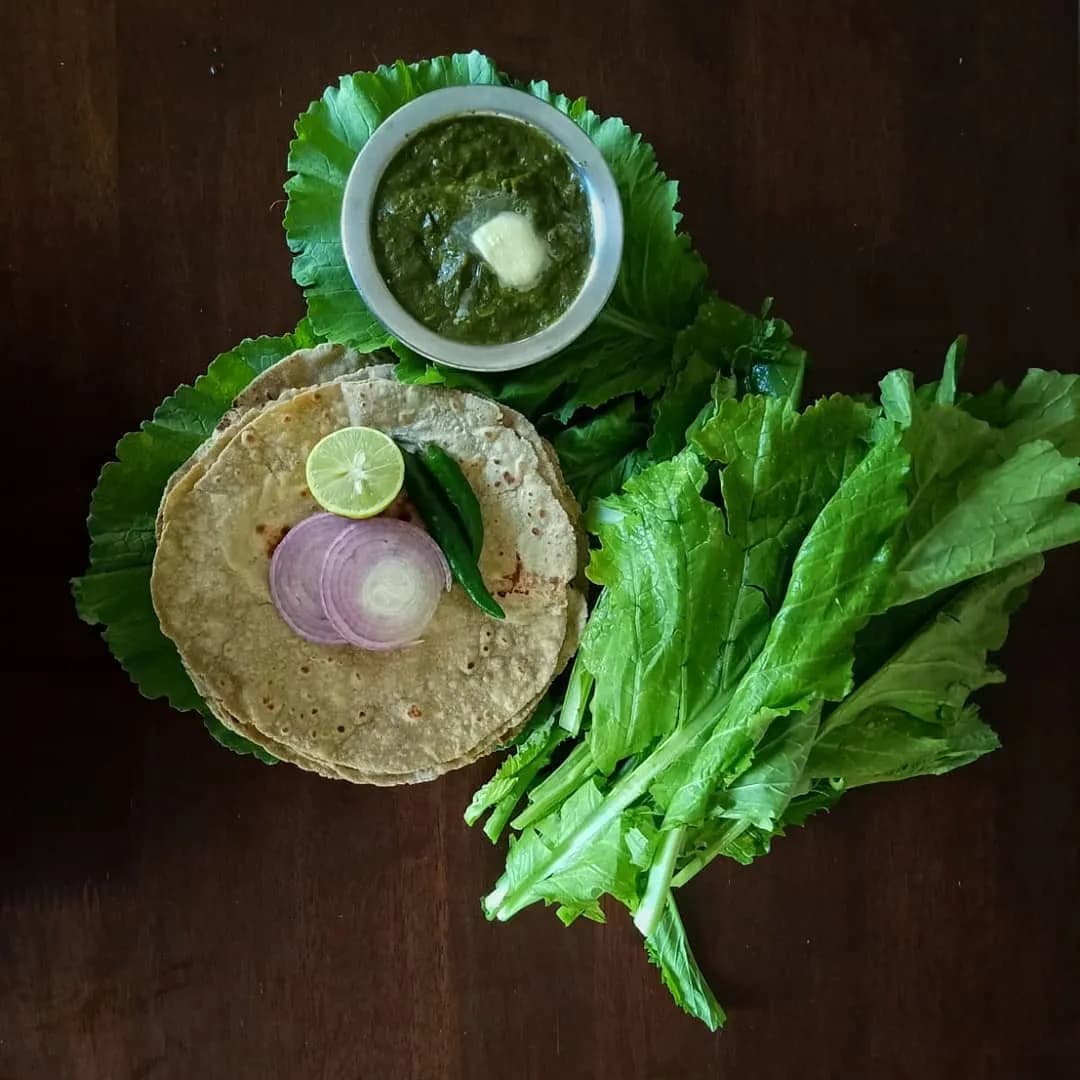
- Sarson da saag — a slow-cooked mustard greens dish, often with spinach, that’s rich in iron, vitamin A, and fiber, especially popular in winter.
- Rajma-chawal — kidney beans in a tomato-based gravy served with rice, a classic plant-protein-and-carbohydrate combination.
- Lassi — a yogurt-based drink, served both sweet and salted, that contributes protein, calcium, and probiotics, though the sweetened version adds sugar.
- Chole — spiced chickpeas, another legume-forward staple that’s a good source of plant protein and fiber.
- Paneer, rajma, and chole — paneer dishes like paneer tikka and shahi paneer bring protein and calcium, while rajma-chawal and chole are affordable, legume-forward staples; restaurant versions finished with extra cream and ghee are richer than home-style preparations.
- Tandoori dishes — paneer or vegetables cooked in a clay oven with minimal oil, one of the leaner ways Punjabi cuisine is typically prepared.
- Portion and preparation — the single factor that any punjabi khana guide keeps returning to, since the same dish can be light or heavy depending on how much butter, cream, or ghee goes in.
The Genuinely Nourishing Side of Punjabi Food
Sarson da saag is worth calling out specifically in any punjabi khana guide, because it’s a rare example of a traditional dish that’s both deeply rooted in the regional diet and genuinely nutrient-dense — mustard greens and spinach cooked down slowly deliver iron, folate, vitamin A, and fiber in meaningful amounts. Paired with makki di roti, it becomes a naturally gluten-free, fiber-rich winter meal, even before accounting for the classic dollop of butter on top. Rajma-chawal and chole follow a similar logic: legumes combined with rice or roti create a complete protein profile using ingredients that are inexpensive, filling, and easy to cook at home regularly. Lassi, particularly the salted or plain version, adds protein, calcium, and gut-friendly probiotics from the fermented yogurt base — a genuinely nourishing everyday drink that any punjabi khana guide should highlight alongside the meals themselves.
Rajma-chawal here follows the exact same grain-plus-legume protein logic covered in our rajma benefits piece, and if you want to see how this pattern plays out beyond Punjab, the north Indian food guide covers the wider regional picture.
Any punjabi khana guide also has to note that Punjab’s agricultural background means dairy, wheat, and maize show up constantly, but home preparations of these staples tend to use oil and ghee far more moderately than what’s served in restaurants — a distinction that matters a great deal when assessing how “rich” Punjabi food really is on a daily basis — and it’s the point any honest punjabi khana guide keeps coming back to.
Photo: Punjabi Thalli, CC BY-SA 4.0, via Wikimedia Commons
Where Restaurant-Style Punjabi Food Gets Heavier
This is the part of the picture that’s easy to miss if your only exposure to Punjabi cuisine is through restaurants. Dishes like dal makhani, paneer butter masala, and shahi paneer, as typically served outside the home, are finished with substantial amounts of butter and cream to achieve their signature richness — a portion of restaurant-style dal makhani can carry considerably more fat and calories than a simple home-cooked dal or rajma. Similarly, makki di roti with a large serving of white butter, or a lassi loaded with extra sugar and cream, shift from being a nourishing regional staple to an occasional indulgence purely based on portion and preparation choices. None of this makes Punjabi cuisine “unhealthy” as a whole — it simply means the celebratory, restaurant-style version and the everyday home-style version are different enough in richness that it’s worth distinguishing between them, especially if you eat Punjabi food often — the kind of practical detail that separates a useful punjabi khana guide from a simple recipe list.
A Punjabi Khana Guide to Everyday Eating
The most practical punjabi khana guide advice is to treat the legume- and vegetable-forward dishes — rajma, chole, saag, dal, tandoori preparations — as the everyday backbone, and treat the butter- and cream-heavy dishes as occasional rather than routine. A home-style thali of roti, a bowl of rajma or dal, a vegetable sabzi, and plain lassi or curd covers protein, fiber, carbohydrates, and calcium without leaning on excess fat. When eating out, tandoori options, plain dal, and roti (instead of naan) are the lighter choices on most Punjabi restaurant menus, while butter-based gravies and fried starters are the ones worth treating as a smaller, occasional part of the meal.
Frequently Asked Questions
Related Articles

Yoga Nidra for Beginners: A Complete Guide
Yoga nidra, or yogic sleep, is one of the easiest ways into meditation — no sitting, no posture discipline, just lying down and following a guide's voice. Try a guided yoga nidra session with Habuild.