
Red Cabbage: Nutrition, Benefits and Easy Meal Ideas
Red cabbage is an affordable vegetable with fibre and vitamins, but it does not detox your body. Here is what it offers and how to use it.

Key Takeaways
- Red cabbage provides fibre, vitamin C and vitamin K.
- It works raw in salads or cooked in sabzi and stir-fries.
- If you take warfarin, keep your intake of vitamin K foods consistent.
- Normal cooked portions are fine for most people; ask your doctor about thyroid concerns.
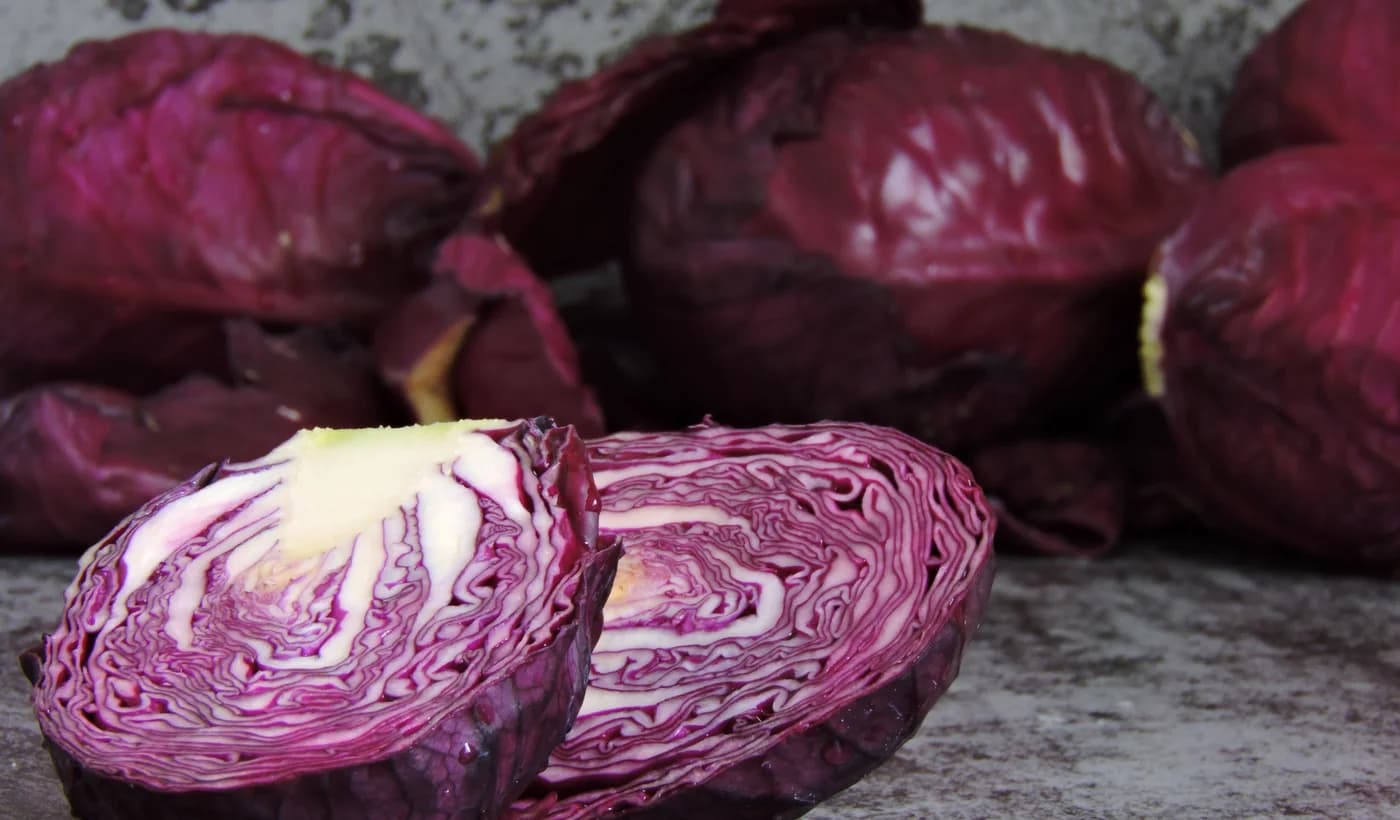
Red cabbage is hard to miss at the sabzi market. That deep purple colour makes it look like something special, and it often shows up in “superfood” posts. It’s a good, affordable vegetable, but it doesn’t detox your body or prevent disease on its own. Here’s what it offers and how to enjoy it in everyday Indian meals.
What’s in it for you
Red cabbage is low in calories, and it gives you fibre, vitamin C and vitamin K. Its purple colour comes from natural pigments called anthocyanins. They’re interesting to researchers, but colour alone doesn’t make a vegetable medicinal.
Think of red cabbage as one useful vegetable among many. It adds crunch, colour and variety to your plate, and that’s where its real value lies. A varied diet with plenty of vegetables, pulses and whole grains does far more for you than any one ingredient. If you’re curious about what actually supports your body, our guide on how to increase immunity is a good read.
Raw or cooked?
Both are fine, and you don’t have to pick a side.
Raw red cabbage is crisp and works well in salads and slaws. Light cooking softens the fibre and may make it easier on your stomach. Cooking for a long time can reduce vitamin C, so a quick stir-fry keeps more of it than a long boil.
A mix of both across the week is a good plan. Eat it the way you enjoy it most, because the best vegetable is one you’ll actually eat.
Easy ideas for Indian meals
Red cabbage fits into Indian cooking without any fuss:
- Poriyal: Sauté it with mustard seeds, curry leaves and a little grated coconut.
- Mixed sabzi: Toss a handful in with carrots, beans and capsicum.
- Stir-fry: Cook it quickly with a little oil, ginger and garlic.
- Raita-style salad: Mix thinly shredded cabbage into plain curd with roasted jeera and a pinch of salt.
- Wraps and parathas: Add shredded cabbage with paneer or tofu for a filling roti wrap.
- Chana salad: Combine it with boiled chana, tomato, onion, coriander and lemon.
Go easy on heavy dressings. Lemon juice, fresh herbs, curd and a measured spoon of oil add plenty of flavour without piling on calories.
Make it a full meal
Cabbage on its own won’t keep you full for long. Pair it with a protein, like dal, chana, rajma, paneer, curd or tofu, plus a staple such as roti or rice. A cabbage poriyal with dal and rice is a simple, balanced plate.
Does the colour matter?
Red and green cabbage differ slightly, mainly in their pigments and some nutrients, but both are healthy. Choose whichever you can find, afford and enjoy. There’s no need to hunt down a particular type. If you can’t find red cabbage, green cabbage, cauliflower or another vegetable can play the same role in your meal.
If it makes you gassy
Cabbage belongs to the cruciferous family, along with cauliflower and broccoli. These vegetables can cause gas or bloating in some people, especially if you suddenly eat a lot of them.
A few simple steps can help:
- Start with a small portion and increase it gradually.
- Cook it lightly, as softer cabbage is often easier to digest.
- Eat slowly, and chew well.
- Notice what else is on your plate, since dal, onion and spices can also play a part.
If bloating bothers you often, see our guide on flat stomach goals and everyday bloating for easy habits that help.
If you take warfarin
Red cabbage contains vitamin K, which plays a role in blood clotting. If you take warfarin, a blood thinner, the aim is to keep your vitamin K intake steady, not to avoid cabbage altogether. Suddenly eating much more or much less than usual can affect how your medicine works.
Please talk to your doctor or dietitian about how to fit leafy and cruciferous vegetables into your routine. Don’t change your medicine on your own.
Thyroid and cabbage
You may have heard that cabbage is bad for the thyroid. For most people, normal portions of cooked vegetables are fine. Extreme amounts of raw cabbage, like large daily juices, are unnecessary. If you have a thyroid condition, ask your doctor or dietitian what suits you, rather than cutting out whole groups of vegetables.
Does it fight inflammation?
Cabbage can be part of an overall healthy eating pattern that supports your body, along with other vegetables, fruit, pulses and whole grains. But it doesn’t cure inflammation or any other condition by itself. Be wary of claims that one vegetable, juice or “cleanse” will fix a health problem. For more on what really helps, see our guide on how to detox your body naturally.
Choosing and storing it
Pick a heavy, firm head with crisp, bright leaves and no slimy patches or strong smells. Wash it under running water before you cut it, and remove any damaged outer leaves. Store the rest in the fridge, wrapped loosely, and use it within a few days to a week.
Cut cabbage should be kept covered and refrigerated. If it turns slimy or smells off, throw it away. A cabbage cut for salad shouldn’t sit out for hours in warm weather.
Fit it into your week
Cabbage isn’t glamorous, but it’s cheap, lasts well in the fridge and adds bulk to meals. Rotate it with other vegetables, like beans, carrots, pumpkin and leafy greens, so you get a wide range of nutrients and flavours.
If you’re watching your blood sugar or blood pressure, vegetables like cabbage are a handy part of the plate, alongside the right portions of rice or roti. Our guides on how to control sugar naturally and how to control high BP cover everyday habits that help. A beginner-friendly online yoga class pairs well with good eating, too. For more reading, browse our Habitology health guides.
A simple habit to try
Add a handful of shredded red cabbage to a meal you already make, like a salad or a sabzi, and keep it up for two weeks. Notice how your stomach feels and how easy it is. Keep it only if it’s comfortable and useful for you.
Editorial sources
Frequently Asked Questions
Related Articles
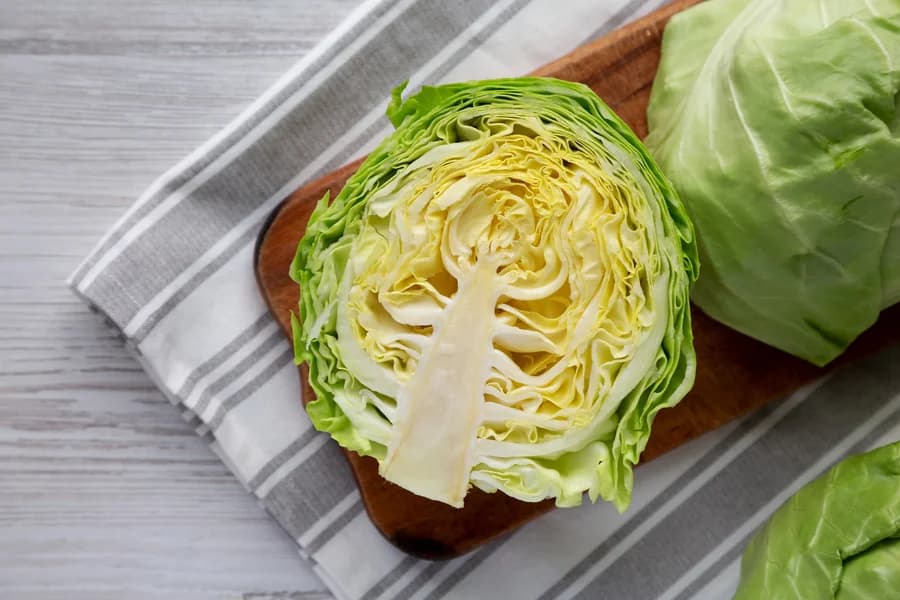
Cabbage Benefits: Nutrition, Types and Easy Indian Recipes
Green, red, savoy and napa cabbage all add fibre, vitamin C and vitamin K to meals. Here is how cooking changes them and which cautions matter.

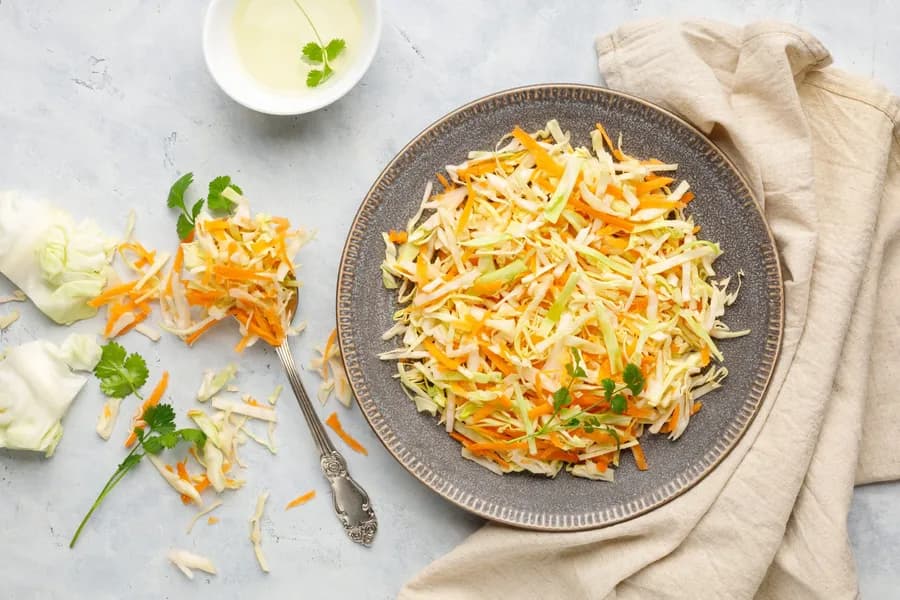
Cabbage carrot slaw: a crunchy fibre salad
A cabbage carrot slaw adds crunch and fibre to the plate with ingredients most Indian kitchens already have. Full recipe below.
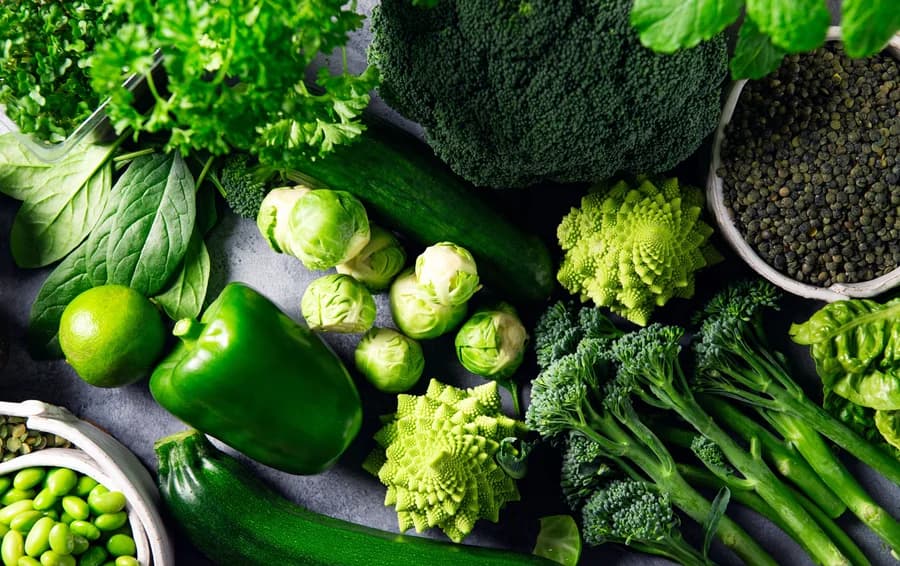
Green Vegetables Benefits: Nutrition and Everyday Uses
Green vegetables include leafy greens, beans, peas, broccoli, okra and many local varieties.