Rosemary Tea Benefits: Enjoy the Flavour, Keep Claims Realistic
Rosemary tea can be an enjoyable herbal drink. Keep expectations realistic and understand why concentrated products are a different matter.

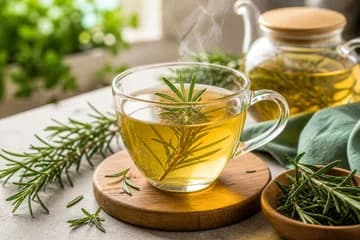
Key Takeaways
- Rosemary tea is a caffeine-free herbal drink.
- Evidence for digestion and memory claims is limited.
- It is not a hair-growth drink.
- Keep essential oil out of the cup.
Rosemary tea has a pine-like aroma and a slightly bitter, savoury flavour. If you enjoy herbal drinks, it can offer a change from regular tea without caffeine, provided rosemary is the only herb in the cup. Its reputation for memory, digestion and hair growth is much bigger than the evidence for an ordinary brewed drink. Enjoyment is a sound reason to have it; expecting treatment from it is another matter.
What goes into the cup?
Rosemary is a culinary herb used to flavour foods such as potatoes, vegetables and bread. Tea is made by steeping food-grade leaves in hot water and then straining them out.
That infusion is different from a concentrated extract or essential oil. Their composition and exposure differ, so research or instructions for one cannot simply be applied to another.
Choose leaves intended for food use. A garden plant treated with unsuitable chemicals or a decorative dried bundle is not automatically a tea ingredient. You do not need an elaborate wellness blend to make the drink: plain culinary rosemary is the relevant starting point.
What can you reasonably expect?
A warm drink can be comforting and can contribute fluid. Plain rosemary tea contains little energy when no sugar or honey is added.
Replacing a sweetened beverage with an unsweetened infusion can reduce the sugar in that part of your day. This benefit comes from the swap, rather than a special ability of rosemary to remove sugar from the body.
It also provides a different flavour for people who want less caffeine. There is no requirement to choose it over water or another herbal drink. The useful option is the one you enjoy and tolerate, rather than the one with the longest list of promised effects.
The evidence for digestion is limited
European herbal guidance recognises traditional use of rosemary leaf preparations for mild digestive discomfort. Traditional use means a history of use supports plausibility; it is not the same as strong clinical-trial evidence that every homemade cup treats indigestion.
If you find a small, mild cup pleasant after food, that is a personal preference. Persistent pain, repeated vomiting or difficulty swallowing needs attention to its cause rather than a stronger infusion.
Do not keep adding more leaves because the first cup did not settle symptoms. A more bitter drink is not evidence of a more effective treatment, and repeated digestive problems deserve a better explanation than needing a daily cleanse.
Memory and concentration claims need a closer look
Rosemary research includes laboratory work and studies using different preparations or exposure methods. Findings about an extract or an aroma do not establish that drinking rosemary tea improves memory in everyday life.
There is no established number of cups that makes studying more effective or prevents dementia. A pleasant break may help you return to a task, but that is different from a proven memory treatment.
For concentration, begin with the ordinary obstacles: poor sleep, a long food gap, interruptions or an unrealistic workload. If there is a persistent new memory problem, a tea habit should not postpone an assessment.
It is not a hair-growth drink

Claims about rosemary and hair often refer to products applied to the scalp, not tea that is swallowed. Even evidence for a particular topical preparation cannot be transferred directly to drinking an infusion.
Hair shedding can follow illness, childbirth, nutritional gaps or inherited patterns. A cup of rosemary tea does not identify or correct those different causes.
If you enjoy the drink, keep it for that reason. Do not measure progress by drinking more each day or promise yourself that a bitter cup will send nutrients directly to hair follicles. Sudden patches, scalp inflammation or rapidly changing loss deserves specific care.
How to make a mild cup
Use a small pinch of dried culinary leaves or a small fresh sprig in a cup of hot water. Let it steep briefly, taste, then strain. Start mild because the flavour can become strong quickly.
This is a culinary suggestion, not a therapeutic dose. Products vary, and there is no universal medicinal recipe everyone needs to follow.
A little lemon can change the flavour if citrus suits you. Honey adds sweetness and sugar; it is optional rather than necessary for the tea to work. If you dislike rosemary's savoury taste, choose another drink instead of masking a very strong infusion with several spoonfuls of sweetener.
Keep essential oil out of the drink
Rosemary essential oil is concentrated and should not be used as though it were a flavour-equivalent replacement for leaves. Do not add drops to hot water and assume dilution makes ingestion appropriate.
An oil sold for a diffuser, hair or skin is not an ordinary tea ingredient. Its presence in a familiar-looking bottle does not make it interchangeable with culinary rosemary.
If you have accidentally swallowed essential oil, seek poison or medical advice promptly rather than trying to neutralise it with another home remedy. Keep concentrated oils away from children and separate from food ingredients.
When regular herbal use needs extra care
Pregnancy, breastfeeding and childhood are not good settings for routine medicinal use without suitable guidance, because safety information is limited. An occasional culinary amount in food is a different exposure from concentrated or repeated use as a remedy.
European guidance also identifies gallstones, bile-duct obstruction and liver conditions as reasons to avoid medicinal rosemary leaf use. A tea promoted for digestion is therefore not automatically suitable for everyone with abdominal symptoms.
Stop if the drink repeatedly causes discomfort or a reaction. Breathing difficulty, swelling or faintness needs urgent help. You do not have to persist with a herb because it is natural or because someone else found it soothing.
Let it remain a drink
There is no need for a daily rosemary challenge, a fasting schedule or a month-long detox course. Keep a cup mild, comfortable and optional.
A useful tea routine gives you a pleasant pause without creating another health obligation. Rosemary can fill that role if you like it. The claims about treating disease, changing hair growth or dramatically improving memory should remain separate from the simple pleasure of the cup.
Editorial sources
Frequently Asked Questions
Related Articles
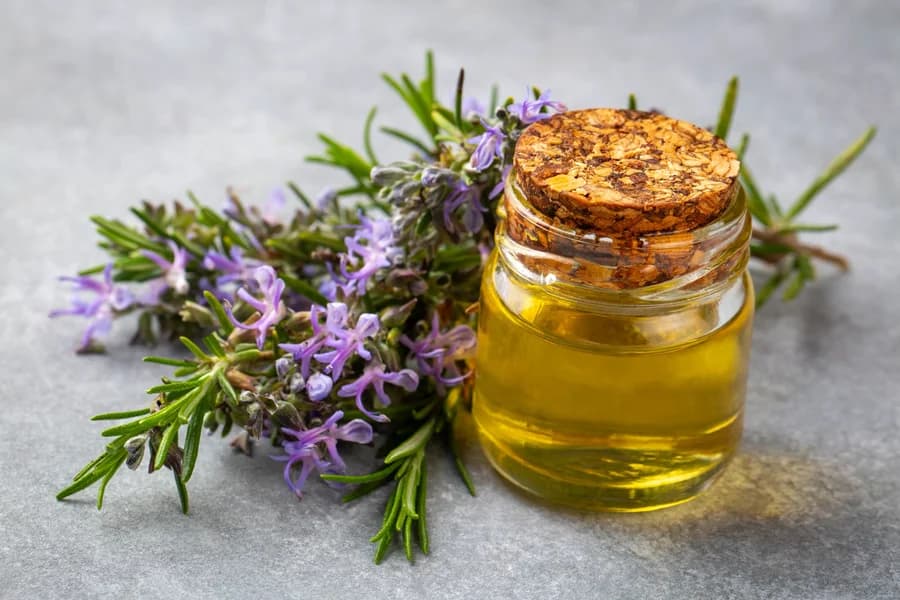
Rosemary Oil for Hair: Evidence, Use and Safety
Rosemary essential oil is a concentrated aromatic product used on the scalp after dilution. It is not a cooking oil and should not be swallowed.

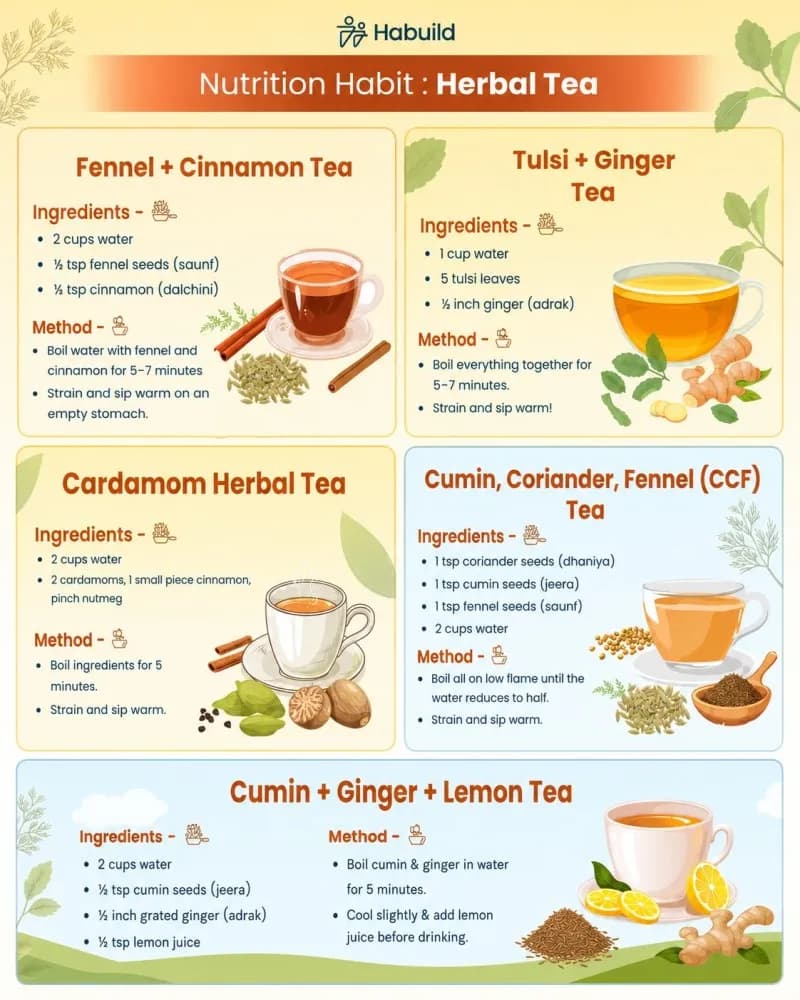
Herbal Tea Recipes: 5 Simple Blends for Daily Routine
These five herbal tea blends use common Indian kitchen ingredients like fennel, cinnamon, tulsi, ginger, and cardamom — light, warm drinks, not medicine..

How to Strengthen Hair: Exercises, Tips & Routines
Learn how to strengthen hair naturally with proven exercises, scalp routines & lifestyle tips. Start your free 7-day trial with Habuild today.