
Rosemary Oil for Hair: Evidence, Use and Safety
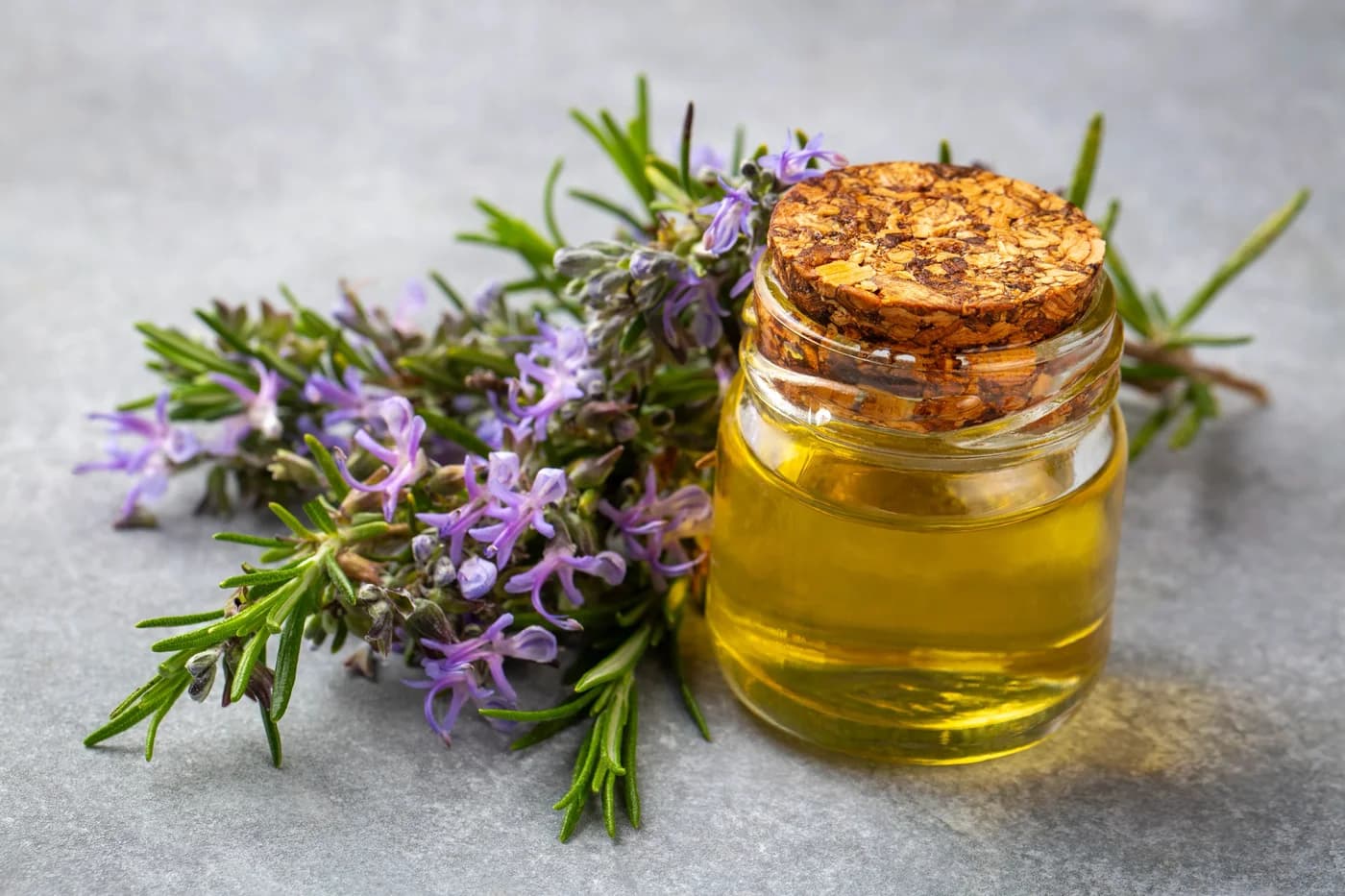
Rosemary essential oil is a concentrated aromatic product used on the scalp after dilution. It is not a cooking oil and should not be swallowed.
Key Takeaways
- Rosemary essential oil is a concentrated aromatic product used on the scalp after dilution.
- Limited human research on hair growth does not promise results or match prescribed treatment.
- Rosemary essential oil must be diluted, patch-tested first and never swallowed.
- Sudden, patchy or scarring hair loss needs medical assessment, not just an oil trial.
Rosemary essential oil is a concentrated aromatic product used on the scalp after dilution. It is not a cooking oil and should not be swallowed. This guide examines rosemary oil with practical context and without exaggerated promises.
Understanding rosemary oil in context
Limited human research has explored hair growth, but it does not establish a guaranteed result or equivalence to prescribed treatment. Hair loss has many causes that require different care. Rosemary oil for hair is best seen as an optional cosmetic product that some adults choose to try, not a cure for thinning or baldness.
Reading the evidence on rosemary oil
Suggested explanations for an effect on hair include better blood flow to the scalp and the anti-inflammatory activity of compounds such as carnosic acid. These ideas come largely from laboratory and animal research, which can guide further study but cannot show what will happen on a person's scalp.
Social media posts often blur the line between rosemary essential oil, rosemary-infused oil made by steeping the herb in a carrier oil, and rosemary water made by boiling the leaves. These differ greatly in strength, and evidence for one does not automatically apply to the others.
Choosing and handling rosemary oil
- Use only a properly diluted cosmetic product.
- Patch-test a small area first.
- Keep away from eyes and broken skin.
- Take scalp photographs under consistent conditions if monitoring change.
Check that the label names the plant (Rosmarinus officinalis, now also classified as Salvia rosmarinus), states whether the product is a pure essential oil or a ready-diluted blend, and gives clear directions. In India, rosemary oil is often added to a familiar coconut or sesame hair-oiling routine; that remains a cosmetic choice, and the essential oil still needs to be well diluted.
Quantity, storage and route of use
Rosemary used as a herb in cooking is a normal food, but rosemary essential oil is far more concentrated and is meant only for external use. Do not add it to food or drinks, and do not increase the amount on the scalp in the hope of faster results; more oil mainly raises the chance of irritation. Store bottles tightly closed, away from heat, sunlight and children, and discard oil that smells harsh or has passed its expiry date.
Who needs extra caution with rosemary oil
Concentrated oil can irritate or sensitise skin. Stop for burning, rash or swelling. Pregnancy, breastfeeding, childhood, asthma, epilepsy and regular medicines warrant professional advice before essential-oil use.
Swallowing essential oil can be dangerous, particularly for young children. Seek urgent medical help if this happens.
How to use rosemary oil on the scalp
Rosemary essential oil is highly concentrated and should not be applied undiluted. A properly formulated scalp product is easier to dose than a homemade mixture. If you prepare one, follow qualified professional guidance for dilution in a carrier oil and test a small area first. Keep the mixture away from the eyes, broken skin and mucous membranes. Wash your hands after use, store it away from children and pets, and never swallow rosemary essential oil.
What the hair-growth evidence shows
Limited human research has compared a rosemary-oil preparation with another hair-loss treatment, but one small study cannot establish that every product works or that rosemary oil for hair is equivalent to standard therapy. Concentration, formulation and duration matter. Hair grows slowly, so claims of dramatic change within days are not credible. Photographs taken in the same light and position are more useful than relying on memory, although they still do not replace clinical assessment.
When scalp irritation is a signal to stop
Redness, burning, itching, scaling or worsening hair fall can indicate irritation or allergy. Stop using the product and wash it off; seek medical advice if symptoms are marked or persistent. Essential oils can also trigger symptoms in sensitive people through fragrance exposure. Pregnancy, breastfeeding, childhood, epilepsy or a history of severe allergy warrants individual advice rather than experimenting with concentrated oils.
Do not miss the cause of hair loss
Pattern hair loss is only one possibility. Sudden shedding, smooth patches, scalp pain, scarring, broken hairs or loss accompanied by weight change, irregular periods or fatigue deserves assessment. A dermatologist may consider family history, scalp findings, nutrition, thyroid function, medicines and other causes. Rosemary oil for hair can be an optional cosmetic trial for some adults, but it should not delay diagnosis or replace a treatment plan with stronger evidence.
A practical trial without overpromising
If an adult chooses to try rosemary oil for hair after checking safety, use one consistent, diluted product and avoid adding several new scalp treatments at once. Note itching, shedding and scalp appearance, and stop if irritation develops. Hair density cannot be judged after a few applications; claims based on immediate shine or reduced breakage are different from new growth at the follicle. Keep expectations modest and set a review point. If the product adds cost or discomfort without a clear benefit, there is no reason to keep increasing the concentration.
Gentle hair care still matters during any trial. Avoid tight hairstyles, repeated chemical processing and excessive heat when these worsen breakage. Shampoo according to scalp needs and apply conditioner mainly to the lengths. These steps protect existing hair but cannot treat every cause of loss. A clear diagnosis helps separate breakage from shedding at the root and makes it easier to decide whether an oil, medicine or simple hair-care change has a realistic role.
Editorial sources
Frequently Asked Questions
Related Articles
Vitamin E Benefits: Antioxidant Power for Skin & Hair
Vitamin E is a fat-soluble antioxidant that protects cell membranes from damage and supports skin and hair health. See where to find it, and how much you.


Vegetarian protein: needs, myths and meal planning
Vegetarian meals can provide enough protein. Learn practical needs, simple Indian food sources, common myths and an easy meal-planning method.

High-Fibre Foods: Simple Indian Meal Ideas
Find high-fibre Indian foods, easy meal ideas, gradual intake tips and practical advice for constipation and daily health.