
Safe Teeth Whitening: Options, Results and Dental Precautions
Whitening can lighten some stains on natural teeth, but it cannot change the colour of fillings, crowns or veneers.
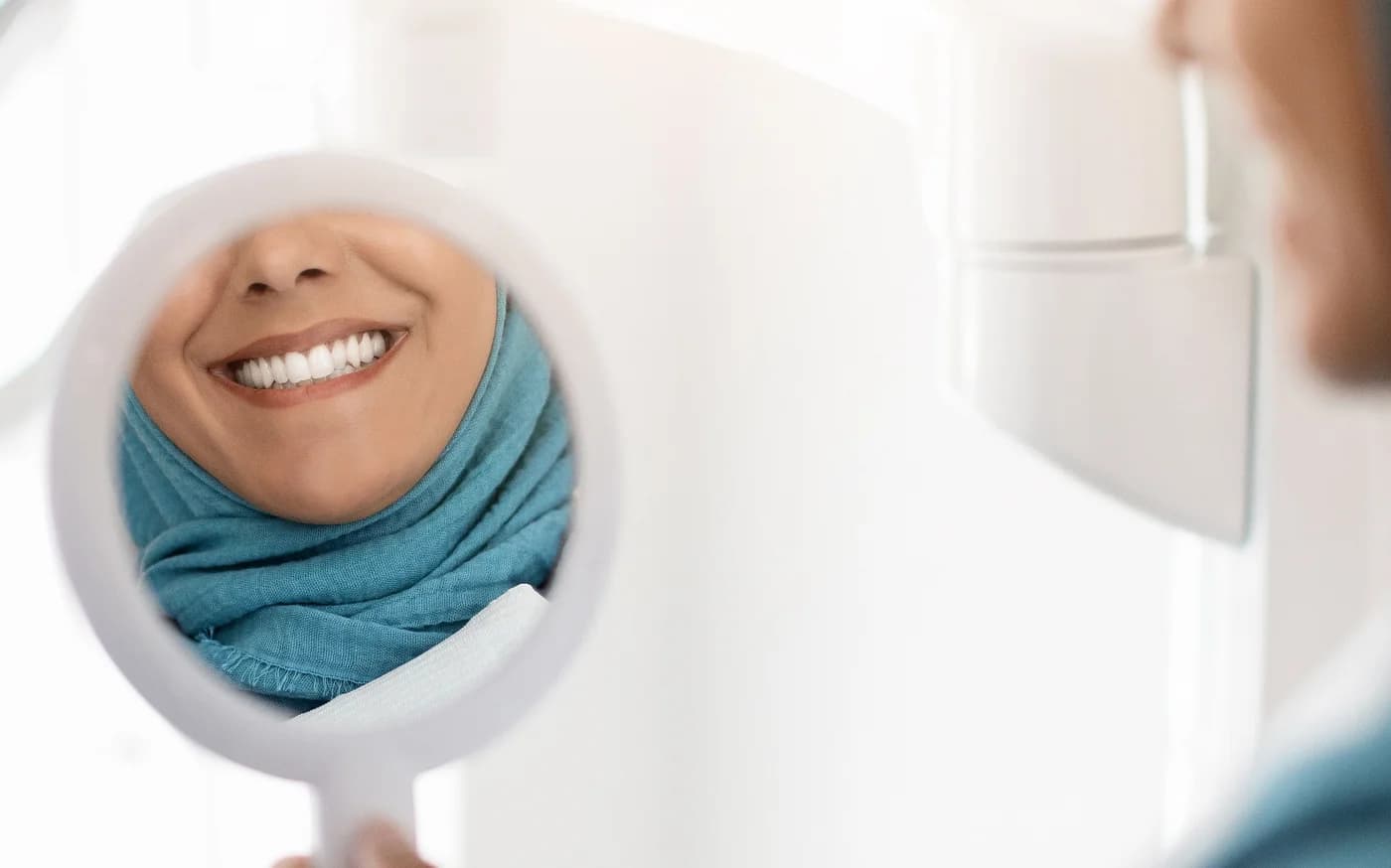
Key Takeaways
- Peroxide can lighten many stains on natural teeth.
- Fillings, crowns and veneers do not whiten in the same way.
- Sensitivity and gum irritation are common side effects.
- Lemon, charcoal and abrasive scrubs can harm teeth.
Whitening can lighten some stains on natural teeth, but it cannot change the colour of fillings, crowns or veneers. Peroxide products may cause temporary sensitivity and gum irritation. A dental check is sensible before bleaching, especially when there is pain, decay, gum disease or one unusually dark tooth. This guide examines the teeth method without overstating what one food, habit or supplement can do.
Safe teeth whitening: the useful starting point
Surface stains from tea, coffee or tobacco differ from colour changes inside a tooth. Whitening toothpastes mainly remove surface stain through abrasives. Strips, trays and in-office procedures use hydrogen peroxide or carbamide peroxide at different concentrations.
What research can—and cannot—say about the teeth method
Research on safe teeth whitening needs to be matched to the preparation actually discussed. A finding from an extract, tablet or tightly controlled intervention may not describe an ordinary meal or household product. Useful studies state who participated, what was compared and whether the outcome made a practical difference.
How to interpret claims about the teeth method
The relevance of safe teeth whitening depends on the person as much as the ingredient. Age, symptoms, allergies, medicines, pregnancy, activity and the rest of the diet can change both benefit and risk. Advice should therefore be proportionate to the evidence rather than presented as a universal rule.
Before trying safe teeth whitening at home
- Arrange a check-up if you have untreated cavities or gum symptoms.
- Follow the product’s amount, duration and frequency exactly.
- Keep gel off the gums and stop if irritation is marked.
- Maintain results with brushing, interdental cleaning and less tobacco exposure.
For the teeth method, practicality matters: the best option is one that can be used safely, afforded consistently and integrated without unnecessary restriction. Record the amount or method when monitoring an outcome, and set a reasonable point for deciding whether to continue.
Professional treatment, home products and sensitivity
Safe safe teeth whitening depends on the product concentration, contact time and condition of the teeth and gums. A dental examination can identify decay, cracks or gum recession that increase sensitivity. Follow directions exactly and stop for significant pain or tissue irritation.
Who needs extra caution with the teeth method
Do not apply household bleach, lemon juice or concentrated peroxide. Charcoal and harsh powders can wear surfaces without predictably whitening teeth. Pregnancy, breastfeeding, severe sensitivity and dental restorations warrant professional advice. Pain, swelling or a single darkening tooth needs diagnosis, not cosmetic treatment.
Safety advice for safe teeth whitening should reflect the actual form and amount. Stop for a suspected allergic reaction or significant new symptoms, and seek urgent help for breathing difficulty, collapse or severe swelling. Pregnancy, breastfeeding, childhood and chronic disease often require more individual guidance.
A sensible takeaway about the teeth method
The best conclusion about safe teeth whitening is neither automatic approval nor fear. Consider the evidence, the complete diet or treatment plan and personal tolerance. Continue only when there is a clear reason, and use professional assessment when symptoms or medicines make the decision more complex.
Comparing options without the hype
Begin by defining what you expect safe teeth whitening to change. A broad aim such as “better health” is difficult to judge, whereas a specific goal—improving variety, solving a preparation problem or discussing a symptom—can be reviewed. Consider the starting point, the time needed for a meaningful change and other habits that influence the same outcome. This prevents normal day-to-day variation from being mistaken for proof that one ingredient or practice is working.
Context also determines whether a claimed advantage is relevant. A nutrient-rich item can support dietary quality without producing a drug-like effect, and an improvement in a laboratory marker may not translate into a noticeable health outcome. When considering safe teeth whitening, look for the absolute size of any reported effect and the duration of follow-up. Small short-term studies can suggest possibilities, but they should not be converted into guaranteed results for everyone.
Building a realistic routine
Watch for unintended trade-offs while trying safe teeth whitening. A restrictive rule may reduce dietary variety; a drink may add sugar or acidity; a supplement may overlap with medicines; and a large serving may cause digestive discomfort. Review the complete pattern rather than focusing only on the advertised feature. The aim is a net improvement that can be maintained comfortably, not perfect adherence to a trend or an arbitrary target.
Common warning signs include escalating the amount, combining several products with similar ingredients or relying on testimonials in place of reliable guidance. Stop and seek advice if a new rash, persistent digestive symptoms, unusual weakness or another concerning change follows use. Urgent symptoms need urgent care. Discuss safe teeth whitening with a qualified professional when regular medication, surgery, pregnancy or a chronic condition makes interactions or restrictions more likely.
Ultimately, safe teeth whitening is one part of a larger picture. Its value should be assessed by the quality it adds, the alternative it replaces and any inconvenience or adverse effect it creates. Clear goals and accurate labels make that assessment easier. Where evidence is uncertain, the honest conclusion is uncertainty—not a promise. Choosing a moderate, sustainable approach usually provides more useful information than pursuing rapid change through unusually large portions or concentrated products.
Another useful check is whether the recommendation respects normal variation between people and across days. Appetite, symptoms and performance do not remain constant, so a single good or bad experience cannot establish a pattern. When reviewing safe teeth whitening, compare several ordinary occasions and keep the rest of the routine reasonably stable. This makes the conclusion less vulnerable to expectation, coincidence or a simultaneous change that was not recorded.
Editorial sources
Frequently Asked Questions
Related Articles
Lemon Benefits: Nutrition, Uses and Safety
Lemon adds acidity, aroma and vitamin C to meals. Learn about practical uses, portions and safety.

Is Carbonated Water Healthy? Benefits, Teeth and Digestion
Plain carbonated water is water containing dissolved carbon dioxide. Learn about practical uses, portions and safety.

Grapefruit: Nutrition, Benefits and Easy Ways to Use It
Grapefruit can add variety, flavour and useful nutrients to a vegetarian eating pattern. Its exact nutrition depends on the form, serving and preparation.