
Side Effects of Drinking Soda: Sugar, Fizz and the Daily Habit
The concerns around soda depend on the drink. Separate sugar, acidity, caffeine and fizz, then change the daily habit that matters most.
Key Takeaways
- Sugary soda adds sugar without making you feel full.
- Both sugar and acid in soda affect your teeth.
- Plain soda water is different from sweet soft drinks.
- Cut back where the habit happens, one swap at a time.
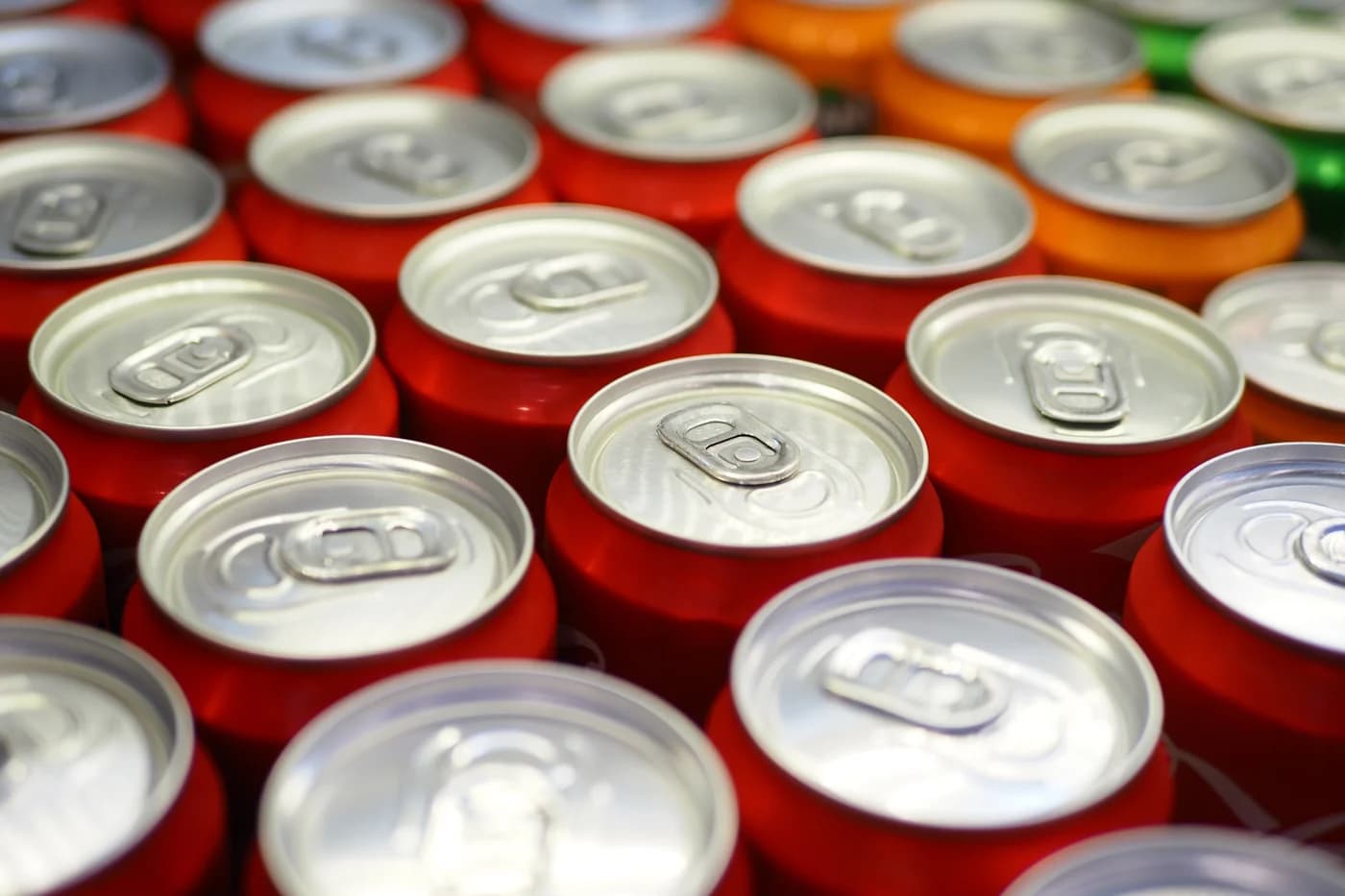
In India, soda can mean plain carbonated water or a sweet fizzy soft drink. That difference matters. A glass of unsweetened soda water does not carry the sugar load of a cola, even though both have bubbles.
If you are wondering whether to cut back, start with the drink you actually have and how often you have it. Sugar, acidity, caffeine and portion size explain most of the practical concerns. An occasional soft drink is a different pattern from a large bottle that stays beside your desk all afternoon.
Sugar can arrive faster than fullness
Regular soft drinks can supply a substantial amount of added sugar without making you feel as full as a meal. This makes them easy to add on top of the food you would otherwise eat.
For example, a drink containing 10 g of sugar per 100 ml supplies 30 g in a 300 ml serving. That is an illustration, not a value for every brand. The full bottle matters more than a small number presented for a smaller serving.
Frequent sugary-drink intake is linked with weight gain and a higher risk of type 2 diabetes. One can does not diagnose either condition, but a daily habit is a useful place to make a change. Replacing it with water reduces the sugar coming from that drink.
Your teeth notice both sugar and acid
Bacteria in dental plaque use sugar and produce acids that contribute to tooth decay. Many soft drinks are also acidic themselves, which can wear tooth enamel through erosion. Decay and erosion are related concerns, but they are different processes.
Sugar-free cola removes the sugar contribution without necessarily removing the acidity. A drink can therefore be better for reducing sugar and still be unhelpful when sipped repeatedly throughout the day.
If you choose a soft drink, have it in one sitting rather than extending it over hours. Do not swish it around your mouth. Water afterwards is a simple way to clear some of the drink, while regular fluoride toothpaste remains part of dental care.
Fizz can make some stomachs uncomfortable

Carbonation introduces gas. For some people, that means burping, a bloated feeling or pressure after a large glass. Others tolerate it well and enjoy the sensation.
If fizzy drinks repeatedly worsen reflux or discomfort, try still water and compare. There is no need to insist that carbonation is a universal cause of digestive disease. Your response to the drink, its size and what else you ate all matter.
A very full stomach after a large meal may feel worse with a big fizzy drink. Choosing a smaller portion is a more useful experiment than buying a product that promises to counteract bloating while continuing the same routine.
Caffeine can affect the evening
Some colas contain caffeine, while others do not. Caffeine may contribute to difficulty sleeping, jitteriness or palpitations in sensitive people. The total from tea, coffee, energy drinks and cola adds together.
If sleep is the problem, consider the timing as well as the amount. A late-evening cola may be easier to overlook than a strong coffee, even though it contributes to the same day’s caffeine intake.
Children do not need caffeinated soft drinks as part of their routine. During pregnancy, caffeine from all sources counts towards the advised daily limit. A caffeine-free label addresses that ingredient, not the sugar or acidity of the drink.
Is plain soda water different?
Yes. Plain carbonated water with no sugar can be a reasonable alternative to a sweet soft drink, particularly if bubbles make the swap enjoyable. It also contributes fluid.
Not every clear mixer is plain water. Tonic water can contain sugar, and sweetened lemon drinks can look similar to unsweetened soda. Some club sodas contain added sodium, although amounts differ.
For a homemade drink, combine plain sparkling water with a little lemon or mint if you enjoy it. Adding several spoonfuls of sugar, syrup or a sweet squash recreates the main issue you were trying to reduce. Frequent acidic sipping can still matter to teeth, even without sugar.
Where diet soda fits
A low- or no-calorie soft drink can reduce sugar and energy intake when it replaces a sugary version. It is not a requirement for weight loss, and it does not make the rest of the meal nutritionally irrelevant.
Research about long-term health outcomes is complicated by the fact that people may switch to diet drinks after gaining weight or developing health concerns. An association in a study is not proof that a particular drink caused a disease.
If it helps you move away from large amounts of regular soda, it can be a stepping stone. Keep water as the easy everyday option, rather than expecting a diet drink to provide health benefits of its own.
Cut back at the point where the habit happens
Find the easiest repeated occasion to change: the bottle bought with lunch, the refill during a film or the automatic order with a takeaway. One clear change is easier to repeat than a vague promise to be healthier.
- Buy a smaller single serving instead of a large bottle.
- Ask for water with a meal before ordering a soft drink automatically.
- Keep chilled drinking water accessible at work.
- Share an occasional serving if that satisfies what you wanted.
If caffeine withdrawal gives you a headache, reduce gradually rather than making a sudden large change. You can also keep the social ritual while changing the drink in the glass.
Do not replace one sweet drink with another
Fruit juice, sweet lassi, packaged iced tea and sweetened coffee can all contribute considerable sugar. A drink sounding more natural does not necessarily make it a lower-sugar alternative.
Our guide on how to control sugar offers more ways to reduce the daily total. You do not need to ban every enjoyable beverage; focus on the one you drink most often.
The useful outcome is a routine with less added sugar, fewer long acidic sipping sessions and better sleep if caffeine was an issue. That is more concrete than treating every bubble as harmful.
Editorial sources
Frequently Asked Questions
Related Articles
Is Diet Coke Healthy? Sugar, Sweeteners, Teeth and Caffeine
Diet Coke has almost no sugar, but it is still an acidic soft drink. What the swap does, what it does not, and how to keep it occasional.

Is Carbonated Water Healthy? Benefits, Teeth and Digestion
Plain carbonated water is water containing dissolved carbon dioxide. Learn about practical uses, portions and safety.

Added Sugar: Side Effects, Limits and Easy Ways to Cut Back
Added sugar can quietly become a big part of your day. Here is what too much can do and how to cut back without making life miserable.
How to Reduce Sugar Cravings: Why They Happen and What Helps
Sugar cravings are rarely just about willpower — they’re usually your body responding to blood sugar swings, poor sleep, or stress. See what actually.
